Utrecht University leads NEOLIVER project to revolutionise liver transplantation
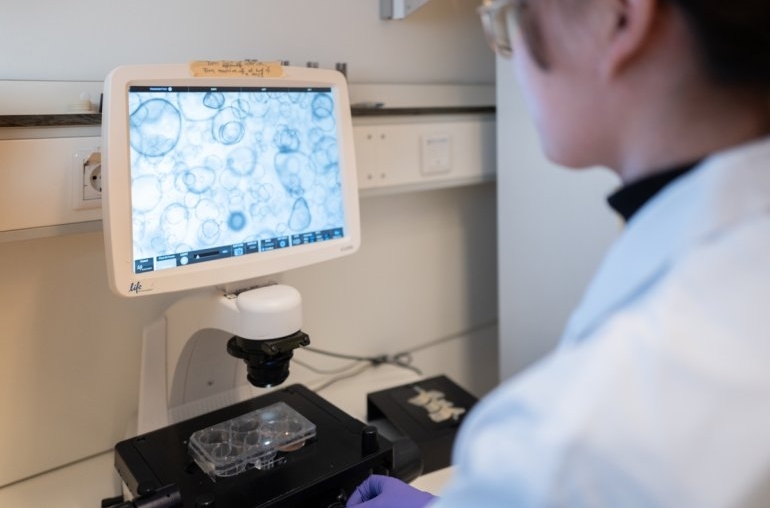
Utrecht University has launched the transformative NEOLIVER project under coordination of Associate Professor Bart Spee from the Faculty of Veterinary Medicine. NEOLIVER aims to tackle the global organ shortage crisis by advancing bioprinting technology to create functional, implantable liver tissues.
Building on the success of the previous project ORGANTRANS, where small liver constructs were developed and successfully transplanted into mice, the NEOLIVER project aims to push the boundaries of regenerative medicine. It seeks to develop automated bioprinting technology capable of producing dense, vascularised liver constructs using patient-derived stem cells called organoids. These bioprinted liver tissues are designed to serve as viable alternatives to donor organs, addressing the urgent global need for liver transplants.
For patients suffering from liver disease
Spanning four years, the project brings together a consortium of European institutions and companies specializing in regenerative medicine, bioprinting, and clinical translation. “Our goal is to create a standardised and automated manufacturing process for producing functional liver tissues, providing a future lifeline for patients suffering from end-stage liver disease”, says Bart Spee.
The innovative technologies developed and implemented for the first time in this project will enhance the scalability, efficiency, and precision of bioprinted tissue production. These advancements are expected to significantly improve the survival rates and functionality of transplanted tissues while reducing reliance on donor organs in the future. Moreover, the technology can be extended to other dense tissues such as the pancreas, lungs, and kidneys, amplifying its transformative potential in the field of regenerative medicine.
Utrecht’s Regenerative Medicine Hub
NEOLIVER further strengthens Utrecht’s role as a global hub for regenerative medicine, building on the achievements of Regenerative Medicine Utrecht (RMU). RMU is a collaborative effort among Utrecht University, UMC Utrecht, the Hubrecht Institute, and industry partners, driving innovation in bioprinting and advanced therapies. “The success of NEOLIVER demonstrates Utrecht’s leadership in translating research into solutions that benefit patients,” says Bart Spee.
Looking ahead
As the NEOLIVER project advances, it promises to provide not only a solution to the organ donor shortage, but also a new standard in tissue engineering, setting the stage for personalised and scalable regenerative therapies.
This project has received funding from the European Union’s Horizon Europe Research and Innovation programme (grant agreement No 101191649) and Swiss State Secretariat for Education, Research, and Innovation. The total award is €10M.
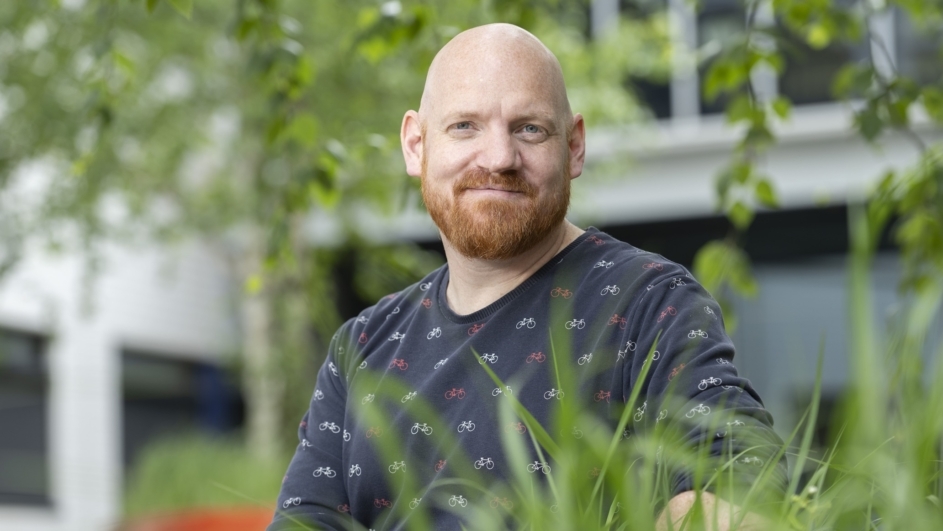
Interview: Thomas Hoogeboom on the future of Mobility & Health
Healthcare in the Netherlands is at a turning point. The new Societal Impact Platform Mobility & Health aims to connect knowledge and expertise across research disciplines, organizations and societal partners. We spoke to Thomas Hoogeboom, Professor of Physiotherapy Sciences and initiator of the platform, about the importance of mobility for health, the value of collaboration and what to expect from the kick-off during Utrecht Science Week.
How UtrechtInc. helps startups grow
From a promising idea to a startup: getting there takes more than a good idea. UtrechtInc is a startup incubator that supports students, researchers and entrepreneurs in the Utrecht region during the early stages of their startup. Through validation programmes, personal guidance and a network of experts and investors, UtrechtInc helps founders develop and test their ideas.
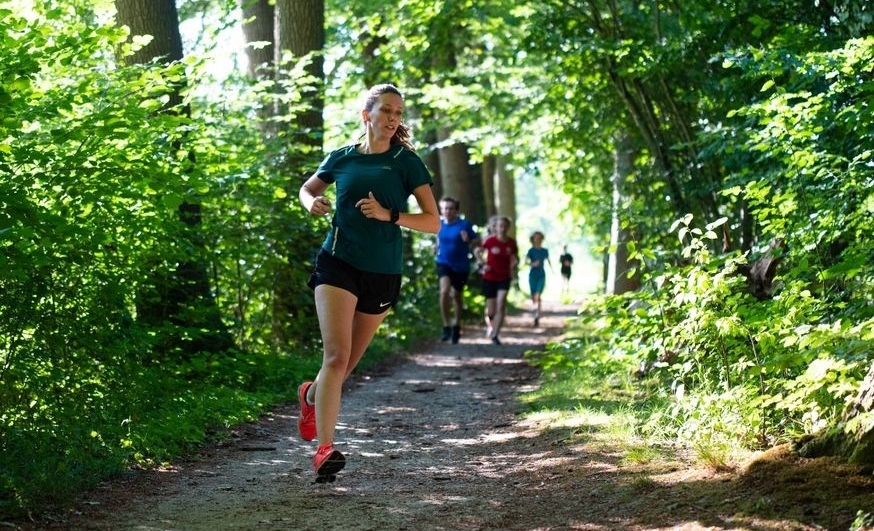
The new sports season at Olympos has kicked off again
The holidays are over, and the sports season has kicked off again! With packed schedules and tight deadlines, it is tempting to just keep working. Before you know it, you’ve spent hours in front of your screen or in the lab without taking a real break. Especially when things are busy, physical activity can help you unwind and gain new energy and inspiration.
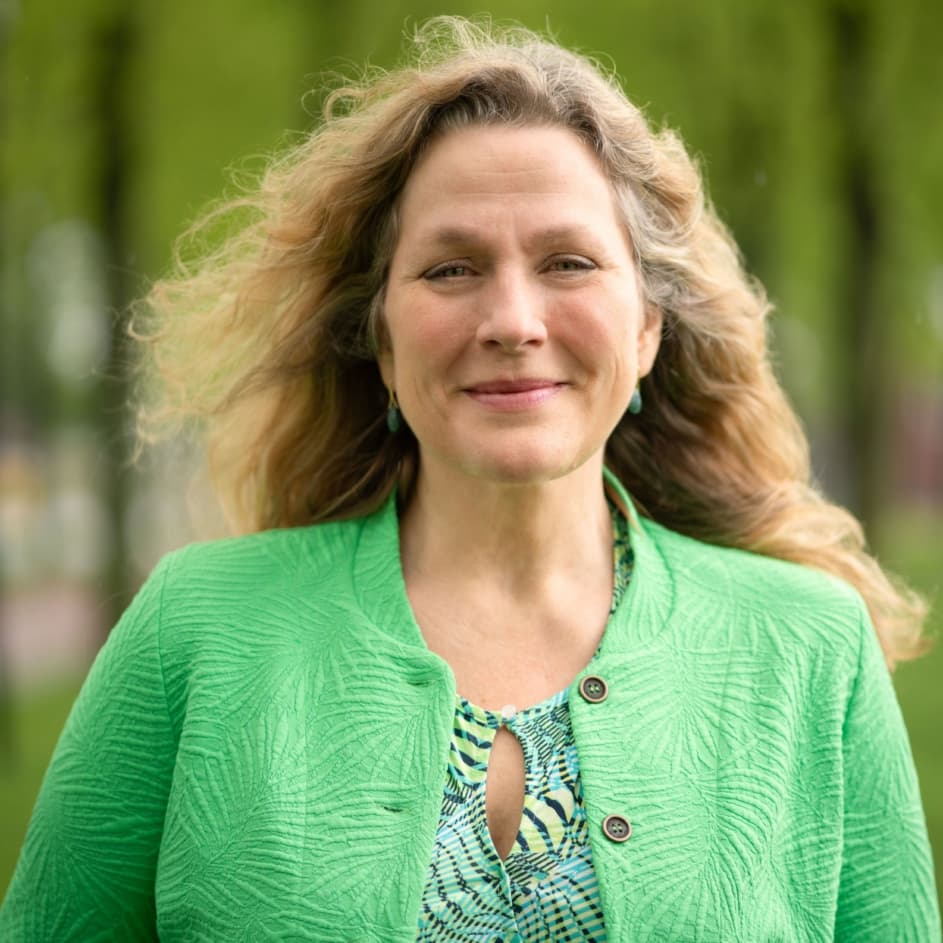
Opening Utrecht Science Week with keynote by Juliette Legler on the hidden influence of environmental chemicals
On Friday, September 25, the annual science festival ‘Utrecht Science Week’ kicks off once again at Utrecht Science Park. We are pleased to announce that this year, Prof. Dr. Ir. Juliette Legler will deliver the Utrecht Science Lecture. Juliette Legler is Professor of Toxicology at the Faculty of Veterinary Medicine at Utrecht University and leads the ‘One Health Toxicology’ group at the Institute for Risk Assessment Sciences (IRAS).