Utrecht University takes next step in Van Unnik Building transformation
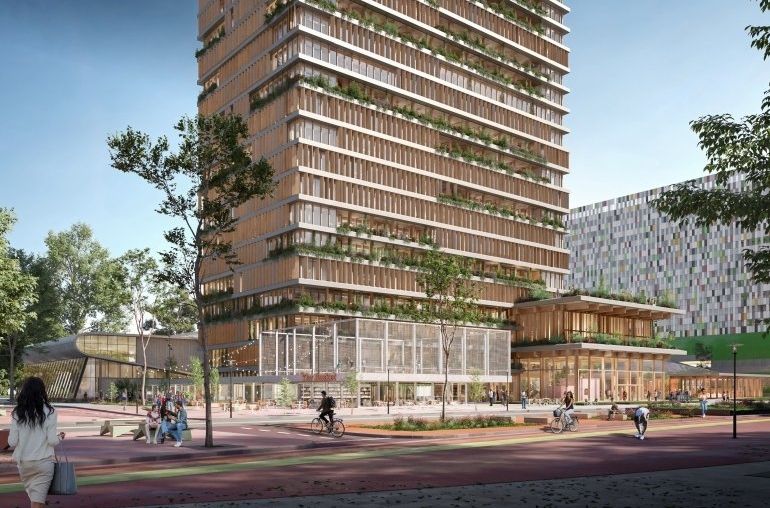
Utrecht University has commissioned Mecanoo to sustainably redevelop the Van Unnik Building, creating a vibrant and future-proof campus hub.
On September 23, 2024, Utrecht University took a significant step in the sustainable transformation of the iconic Van Unnik Building by officially awarding the contract to the integrated design team led by Mecanoo. The project, called ‘Uniek,’ aims to give both the Van Unnik Building and the surrounding area a fresh new look.
A Vibrant Campus Hub
The Uniek project is not only about redeveloping the Van Unnik Building but also about creating a lively hub on campus. Around the building, a bustling campus area will be developed, including spaces for hospitality, study workplaces, and large meeting areas. The planned campus adjustments are designed to encourage interaction and movement, creating a place where students, lecturers, and researchers can meet and collaborate on future challenges.
Sustainable and Future-Proof Design
During the ceremony, Margot van der Starre, Vice Chair of the Executive Board at Utrecht University, emphasized how this project aligns perfectly with the university’s ambitions in sustainability and innovation. “Our journey to this moment has a rich history. Utrecht University has always strived for sustainability and progressiveness, and the choice to redevelop the Van Unnik Building is proof of that,” said Van der Starre.
The five golden rules for the redevelopment underline the ambitious goals: the Van Unnik Building must become a functional education, research, and office environment that enhances the vibrancy of the central area, stimulates meeting and collaboration, is energy-neutral, and is redeveloped using circular and healthy construction techniques. Mecanoo, known for their expertise in sustainable architecture, was chosen as lead designer because their vision aligns perfectly with UU’s ambitions for the Van Unnik Building and its surroundings. “We have full confidence that they will help us realize these ambitions,” Van der Starre added.
An Architect with the Right Experience
The collaboration with Mecanoo is crucial for achieving these ambitions. Mecanoo is a renowned Dutch architectural firm known for its innovative and context-sensitive designs. They focus on understanding the environment in which their buildings stand, considering the culture, history, and social needs of an area, resulting in buildings that seamlessly integrate with their surroundings. A notable example is the TU Delft Library, with its innovative design that blurs the lines between architecture and landscape. Another is the renovation of De Nederlandsche Bank, a large-scale sustainable project similar in scope to the planned redevelopment of the Van Unnik Building. “The balance between creativity, sustainability, and functionality fits perfectly with our goals, and we have full confidence that they will help us realize these ambitions,” said Van der Starre.
From Vacancy to Redevelopment
The redevelopment of the Van Unnik Building is not a new idea. The building was already vacant when, in 2019, the decision was made to completely transform the site. Since then, several projects have been completed, including the demolition of the low-rise structures and the dismantling of the walkways. The building itself will be fully renovated and stripped by the end of this year, allowing the actual redevelopment to begin.
Now that the collaboration with Mecanoo is official, the next phase of this ambitious project can commence. Given Mecanoo’s experience in sustainable and innovative architecture, the design team will create an integrated design that is not only aesthetically appealing but also technologically advanced and environmentally friendly. The design will contribute to Utrecht University’s broader vision for a future-proof and dynamic campus.
The signing ceremony concluded with a symbolic toast to successful collaboration and the future of Project Uniek: A New Social Framework.
Source: Universiteit Utrecht
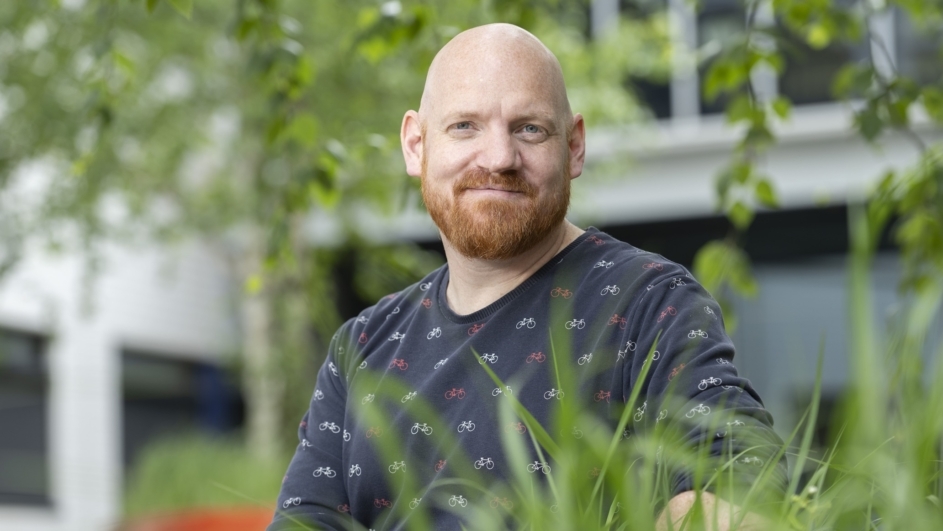
Interview: Thomas Hoogeboom on the future of Mobility & Health
Healthcare in the Netherlands is at a turning point. The new Societal Impact Platform Mobility & Health aims to connect knowledge and expertise across research disciplines, organizations and societal partners. We spoke to Thomas Hoogeboom, Professor of Physiotherapy Sciences and initiator of the platform, about the importance of mobility for health, the value of collaboration and what to expect from the kick-off during Utrecht Science Week.
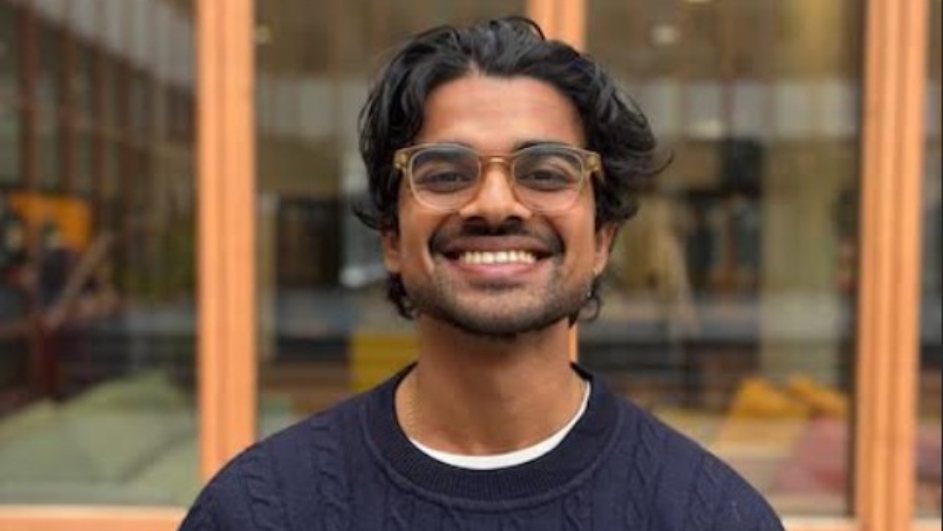
How UtrechtInc. helps startups grow
From a promising idea to a startup: getting there takes more than a good idea. UtrechtInc is a startup incubator that supports students, researchers and entrepreneurs in the Utrecht region during the early stages of their startup. Through validation programmes, personal guidance and a network of experts and investors, UtrechtInc helps founders develop and test their ideas.
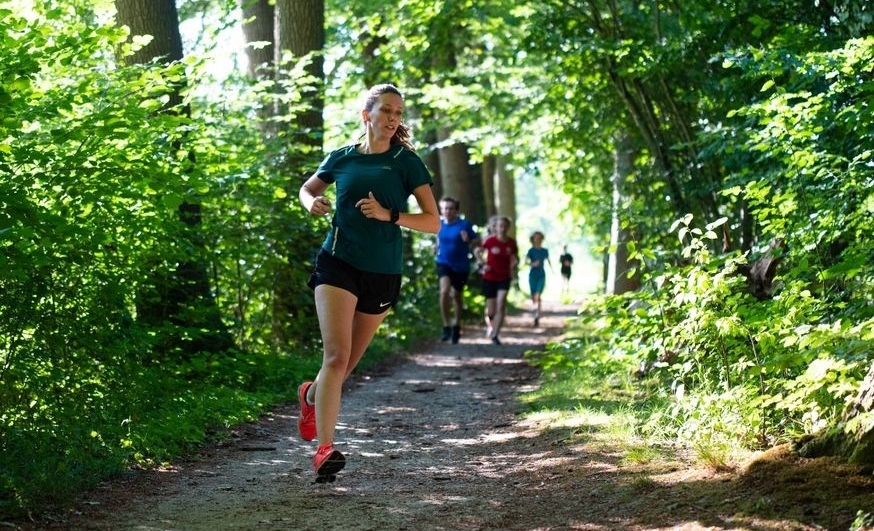
The new sports season at Olympos has kicked off again
The holidays are over, and the sports season has kicked off again! With packed schedules and tight deadlines, it is tempting to just keep working. Before you know it, you’ve spent hours in front of your screen or in the lab without taking a real break. Especially when things are busy, physical activity can help you unwind and gain new energy and inspiration.

Opening Utrecht Science Week with keynote by Juliette Legler on the hidden influence of environmental chemicals
On Friday, September 25, the annual science festival ‘Utrecht Science Week’ kicks off once again at Utrecht Science Park. We are pleased to announce that this year, Prof. Dr. Ir. Juliette Legler will deliver the Utrecht Science Lecture. Juliette Legler is Professor of Toxicology at the Faculty of Veterinary Medicine at Utrecht University and leads the ‘One Health Toxicology’ group at the Institute for Risk Assessment Sciences (IRAS).