Utrecht Science Park researchers receive prestigious Cancer Grand Challenge grants
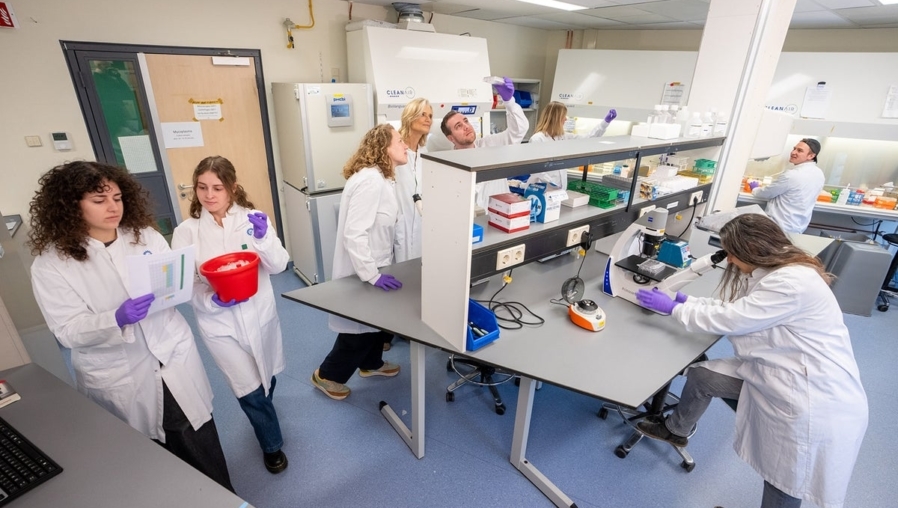
Several research groups, including researchers from UMC Utrecht, the Princess Máxima Center, and the Hubrecht Institute, have been selected for a prestigious Cancer Grand Challenge (CGC) grant. Cancer Grand Challenges was co-founded in 2020 by Cancer Research UK and the National Cancer Institute in the United States. The initiative supports international, multidisciplinary research teams focusing on major challenges in cancer research.
Reprogramming colorectal cancer: Madelon Maurice joins international REWIRE-CAN team
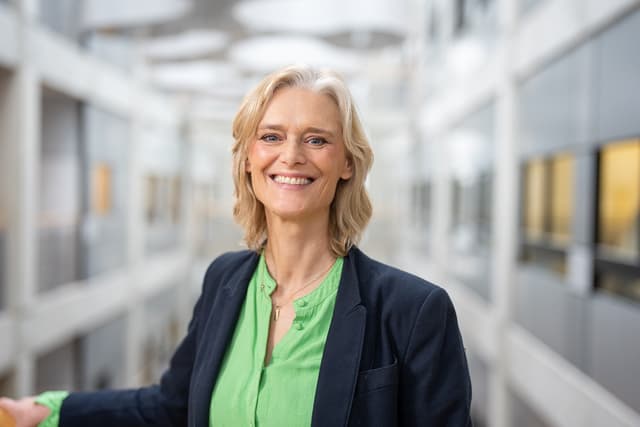
Madelon Maurice, professor and researcher at the Center for Molecular Medicine at UMC Utrecht and the Oncode Institute, is one of the seven principal investigators on the international REWIRE-CAN research team. Along with researchers from the United Kingdom and the United States, she has received a prestigious Cancer Grand Challenge (CGC) grant of up to £25 million to develop a radical new approach to colorectal cancer.
REWIRE-CAN brings together researchers from the United Kingdom, the Netherlands, and the United States, along with experts in cancer biology, chemical development, clinical research, and drug screening. Maurice’s expertise lies in the WNT signaling pathway, which is dysregulated in 90% of colorectal cancer patients. Through her work at the Oncode Institute, she makes a significant contribution to the development of new activators and treatment strategies within the REWIRE-CAN team.
More information about this research and this Cancer Grand Challenge can be found on the UMC Utrecht website.
ILLUMINE research team with Sebastiaan van Heesch better maps unknown proteins
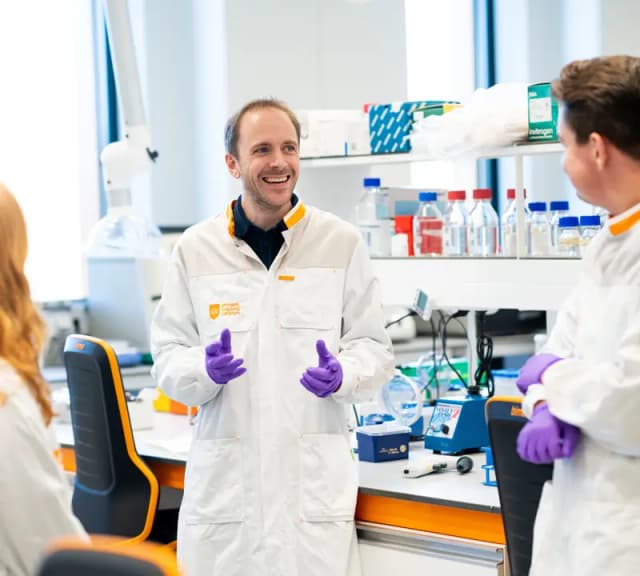
The ILLUMINE research team, which includes Dr. Sebastiaan van Heesch, has also received a prestigious Cancer Grand Challenge grant. Sebastiaan van Heesch is a research group leader at the Princess Máxima Center for Pediatric Oncology and at the Oncode Institute. The team is now embarking on an ambitious project to map proteins whose existence was previously unknown. This “dark matter” also includes the small micro-proteins in which Van Heesch specializes. These control certain processes in (cancer) cells that could be key to new therapies, including immunotherapy.
The Challenge grant will provide the team with the means to systematically map these currently mysterious proteins. If these proteins are present in cancer cells but not in healthy cells, the body’s own immune system can form the basis for immunotherapy, for example, via cell therapy or a vaccine.
More information about this research and this Cancer Grand Challenge can be found on the website of the Princess Máxima Center.
Team CAUSE with Hubrecht Institute group leaders investigates mechanisms that cause mutational signatures
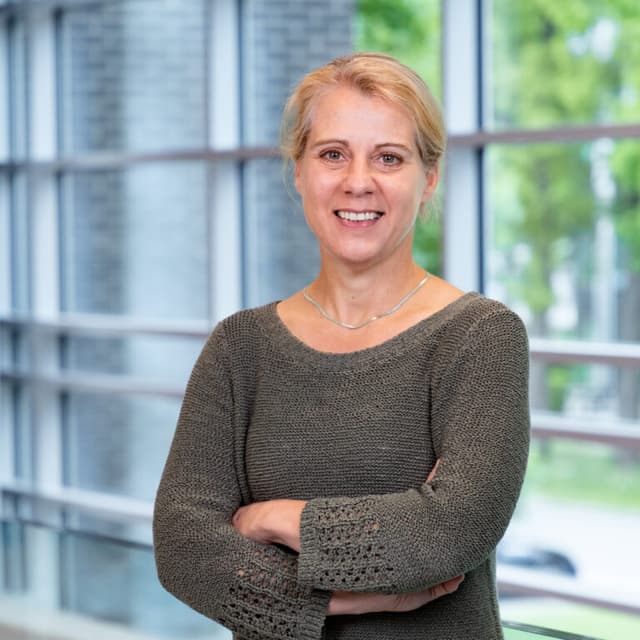
A global, interdisciplinary team of researchers, including Juan Garaycoechea and Puck Knipscheer, group leaders at the Hubrecht Institute, has also been selected for a Cancer Grand Challenges grant to address the mechanisms that cause mutational signatures. The Cancer Grand Challenges CAUSE team is led by Ludmil Alexandrov of the University of California, San Diego.
DNA serves as a manual for our cells, telling them how to grow and function. But over time, DNA often becomes damaged by harmful substances in the environment (such as pollution, tobacco smoke, or UV radiation from the sun) and by naturally occurring reactive substances present in our bodies. This damage can lead to changes in the DNA sequence (also called mutations), which can sometimes lead to cancer. These mutations are not completely random but have unique patterns, also called mutational signatures. These signatures act as forensic fingerprints of past damage, helping scientists determine what caused the DNA damage.
Researchers have linked some mutational signatures to clear causes, such as tobacco smoke. But many others remain unexplained, even though they are responsible for a large proportion of cancer-causing mutations. The CAUSE (Connecting DNA Adducts, Unexplained Mutational Signatures and Cancer Etiologies) team is addressing a fundamental knowledge gap: how does chemical DNA damage lead to a permanent mutation?
More information about this research and this Cancer Grand Challenge can be found on the Hubrecht Institute website.
Utrecht Cancer Collaborative Platform
The Utrecht Science Park is home to the largest and most multidisciplinary cancer research community in the Netherlands, the Utrecht Cancer Collaborative Platform. Collaborating in areas ranging from fundamental research to clinical applications, to accelerate breakthroughs that improve the lives of children, adults, and animals with cancer, is the key to success. Since 2008, cancer has been the leading cause of death in the Netherlands. In 2024 alone, nearly 130,000 people were diagnosed; a number that, according to the trend report from the Netherlands Comprehensive Cancer Organisation (IKNL), will rise to over 150,000 per year within the next decade. The trend is undeniable, and the urgency has never been greater.
Utrecht Cancer is taking on this challenge with a vision that is as ambitious as it is essential: by combining knowledge, talent, and resources, it accelerates discoveries and translates them into better treatments for patients worldwide. In this way, it demonstrates that only through collaboration can we progress toward a healthier, more sustainable society.
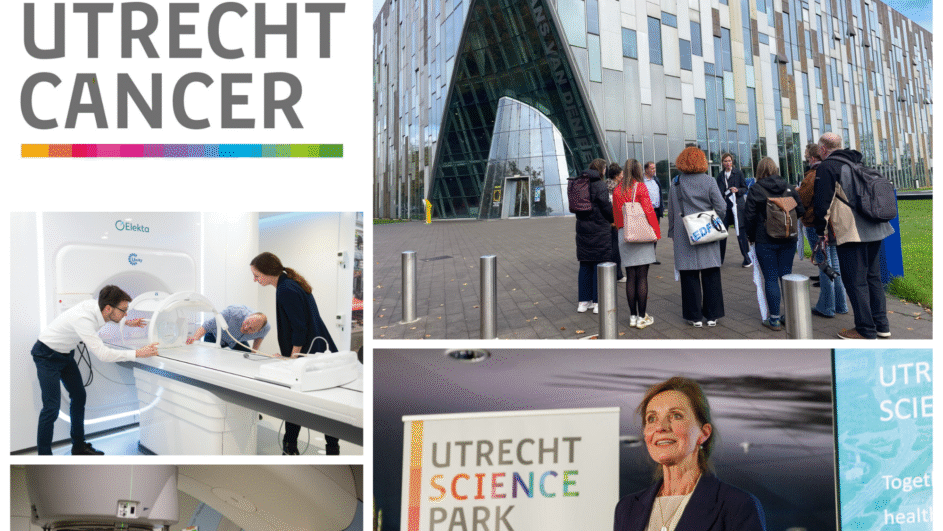
International journalists visited Utrecht Science Park for unique collaboration “Utrecht Cancer”
In mid-October, journalists from Germany and Belgium visited Utrecht Science Park to hear the story about “Utrecht Cancer.” Utrecht Cancer connects the largest and most multidisciplinary cancer research community in the Netherlands and is a partnership between UMC Utrecht, Utrecht University, the Hubrecht Institute, and the Princess Máxima Center for Pediatric Oncology.
February 4 was World Cancer Day: how Utrecht Cancer’s approach leads to more efficient control
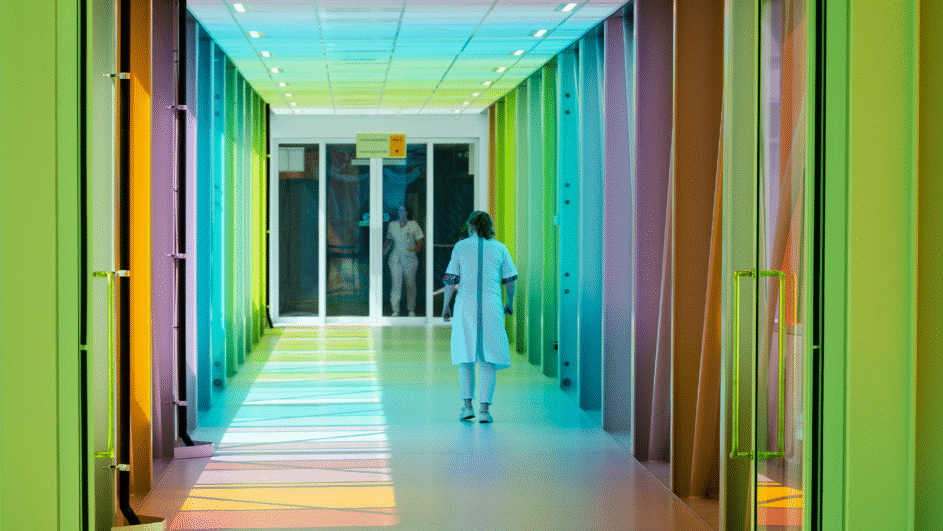
February 4th was World Cancer Day. Every year, the world reflects on the impact of cancer on patients and their loved ones. Utrecht Science Park is home to the largest and most multidisciplinary cancer research community in the Netherlands, the Utrecht Cancer collaborative platform. Collaboration to combat this disease is the key to success. Learn more about how we’re doing this at Utrecht Science Park in the article and video below.
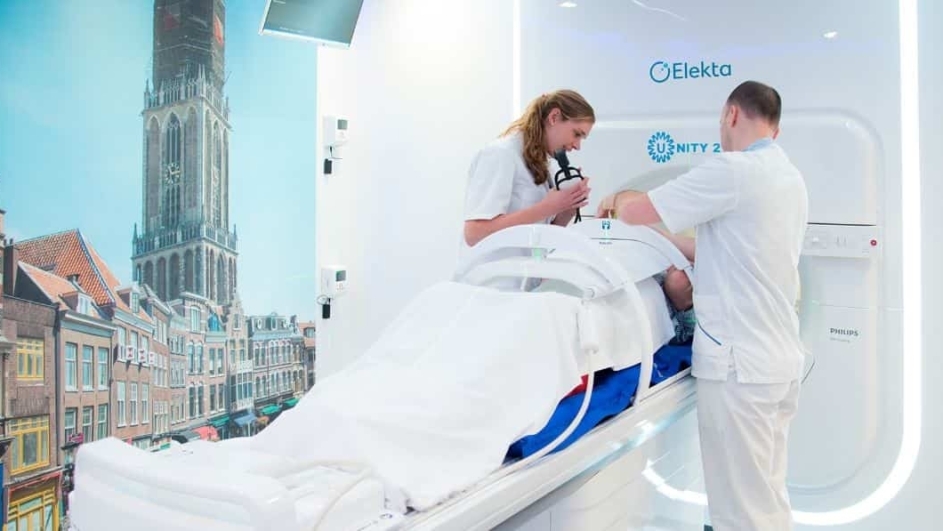
Unique collaboration on cancer research in Utrecht empowered
Official kick-off ‘Utrecht Cancer’ by partners at the Utrecht Science Park. The Utrecht Science Park houses a unique combination of knowledge institutes, (academic) hospitals and companies within one square kilometre. For quite some time, these partners have been working intensively together on pioneering research and developments in the treatment of cancer among children, adults and animals. On Monday 30 September, his unique cooperation on cancer research was confirmed by the official kick-off of the ‘Utrecht Cancer’ cooperation platform.
Interview: Thomas Hoogeboom on the future of Mobility & Health
Healthcare in the Netherlands is at a turning point. The new Societal Impact Platform Mobility & Health aims to connect knowledge and expertise across research disciplines, organizations and societal partners. We spoke to Thomas Hoogeboom, Professor of Physiotherapy Sciences and initiator of the platform, about the importance of mobility for health, the value of collaboration and what to expect from the kick-off during Utrecht Science Week.
How UtrechtInc. helps startups grow
From a promising idea to a startup: getting there takes more than a good idea. UtrechtInc is a startup incubator that supports students, researchers and entrepreneurs in the Utrecht region during the early stages of their startup. Through validation programmes, personal guidance and a network of experts and investors, UtrechtInc helps founders develop and test their ideas.
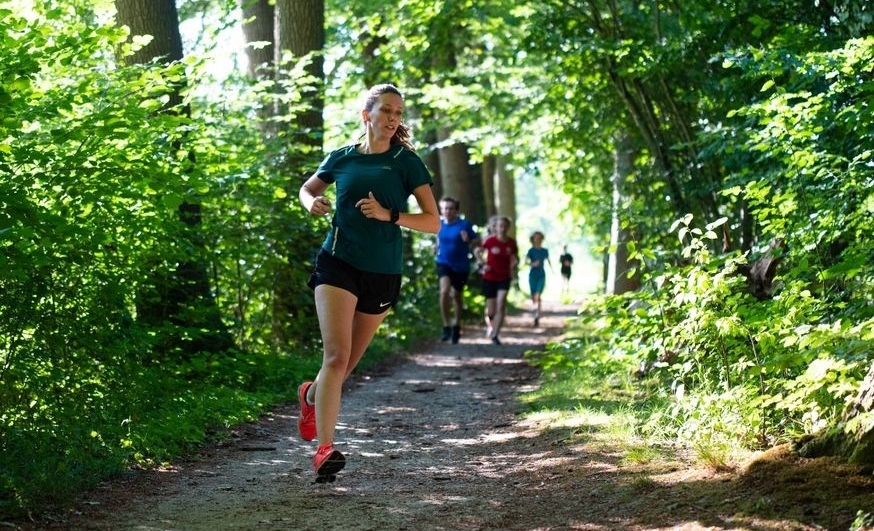
The new sports season at Olympos has kicked off again
The holidays are over, and the sports season has kicked off again! With packed schedules and tight deadlines, it is tempting to just keep working. Before you know it, you’ve spent hours in front of your screen or in the lab without taking a real break. Especially when things are busy, physical activity can help you unwind and gain new energy and inspiration.
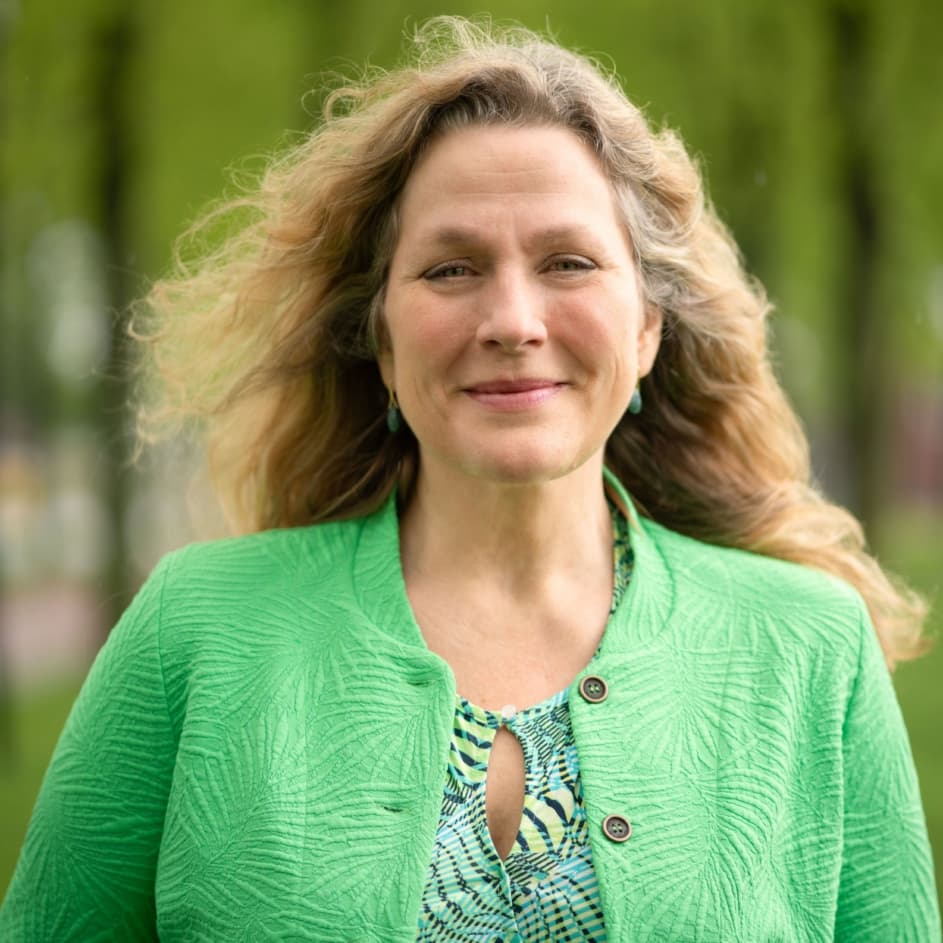
Opening Utrecht Science Week with keynote by Juliette Legler on the hidden influence of environmental chemicals
On Friday, September 25, the annual science festival ‘Utrecht Science Week’ kicks off once again at Utrecht Science Park. We are pleased to announce that this year, Prof. Dr. Ir. Juliette Legler will deliver the Utrecht Science Lecture. Juliette Legler is Professor of Toxicology at the Faculty of Veterinary Medicine at Utrecht University and leads the ‘One Health Toxicology’ group at the Institute for Risk Assessment Sciences (IRAS).