International journalists visited Utrecht Science Park for unique collaboration “Utrecht Cancer”
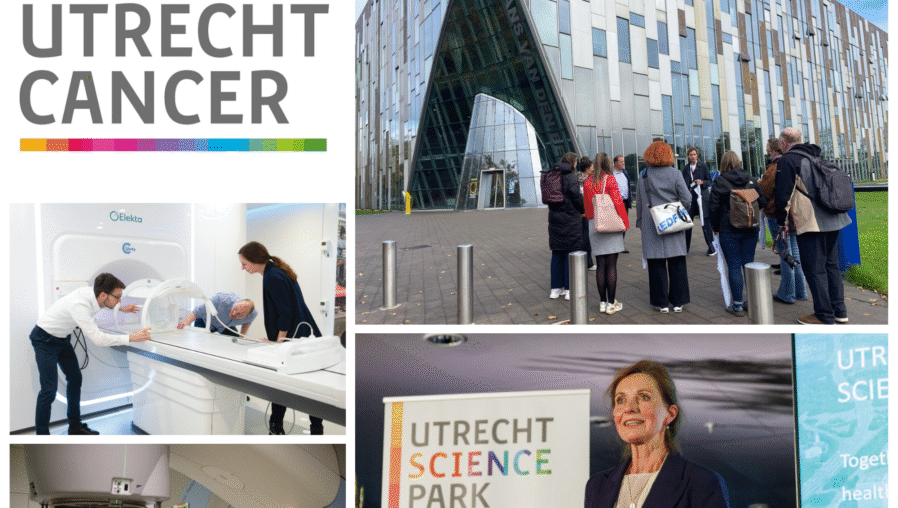
In mid-October, journalists from Germany and Belgium visited Utrecht Science Park to hear the story about “Utrecht Cancer.” Utrecht Cancer connects the largest and most multidisciplinary cancer research community in the Netherlands and is a partnership between UMC Utrecht, Utrecht University, the Hubrecht Institute, and the Princess Máxima Center for Pediatric Oncology.
Joining Forces
Cancer is the leading cause of death in the Netherlands and, within a few years, will be across Europe. To address this problem even more effectively, Utrecht Science Park has joined forces in the “Utrecht Cancer” partnership. This collaborative platform for cancer research at Utrecht Science Park brings together almost 2,000 researchers from Utrecht University (including the Faculties of Veterinary Medicine and Medical Sciences), University Medical Center Utrecht, the Princess Máxima Center, the Hubrecht Institute, HU University of Applied Sciences Utrecht and Westerdijk Institute. This partnership aims to improve the diagnosis, treatment, quality of life, and survival rates of cancer in adults, children, and animals. It also includes collaborations with other public and private parties, such as life sciences and biotech companies at the park, and is a key component of Utrecht Science Park’s broader Life Sciences & Health theme.
New Dutch
This press trip was a collaboration between Utrecht and Leiden and part of NewDutch. Seventeen cities and regions in the Netherlands are joining forces to showcase what the Netherlands has to offer in innovation, health, technology, and sustainability. Many thanks to Utrecht Marketing and the UMC Utrecht for co-organising this event.
More information
More information about “Utrecht Cancer” can be found via the links below:
Utrecht Science Week: Boudewijn Visscher on the Future of Washable Incontinence Materials
In the Netherlands, approximately 85 million kilograms of waste from incontinence materials are generated every year. Washable alternatives could help reduce this waste stream, but switching to washable materials is not yet common practice in healthcare. What is holding back this transition, and what is needed to make washable incontinence materials more widely applicable?
Utrecht Science Week: René van Westen on a colder Netherlands in a warmer world
The Earth is warming, yet the Netherlands could face much colder winters in the future. It may sound contradictory, but the explanation lies in the Atlantic Meridional Overturning Circulation (AMOC), a large system of ocean currents that transports heat and salt through the Atlantic Ocean. This circulation plays an important role in the mild climate that we are accustomed to in the Netherlands.
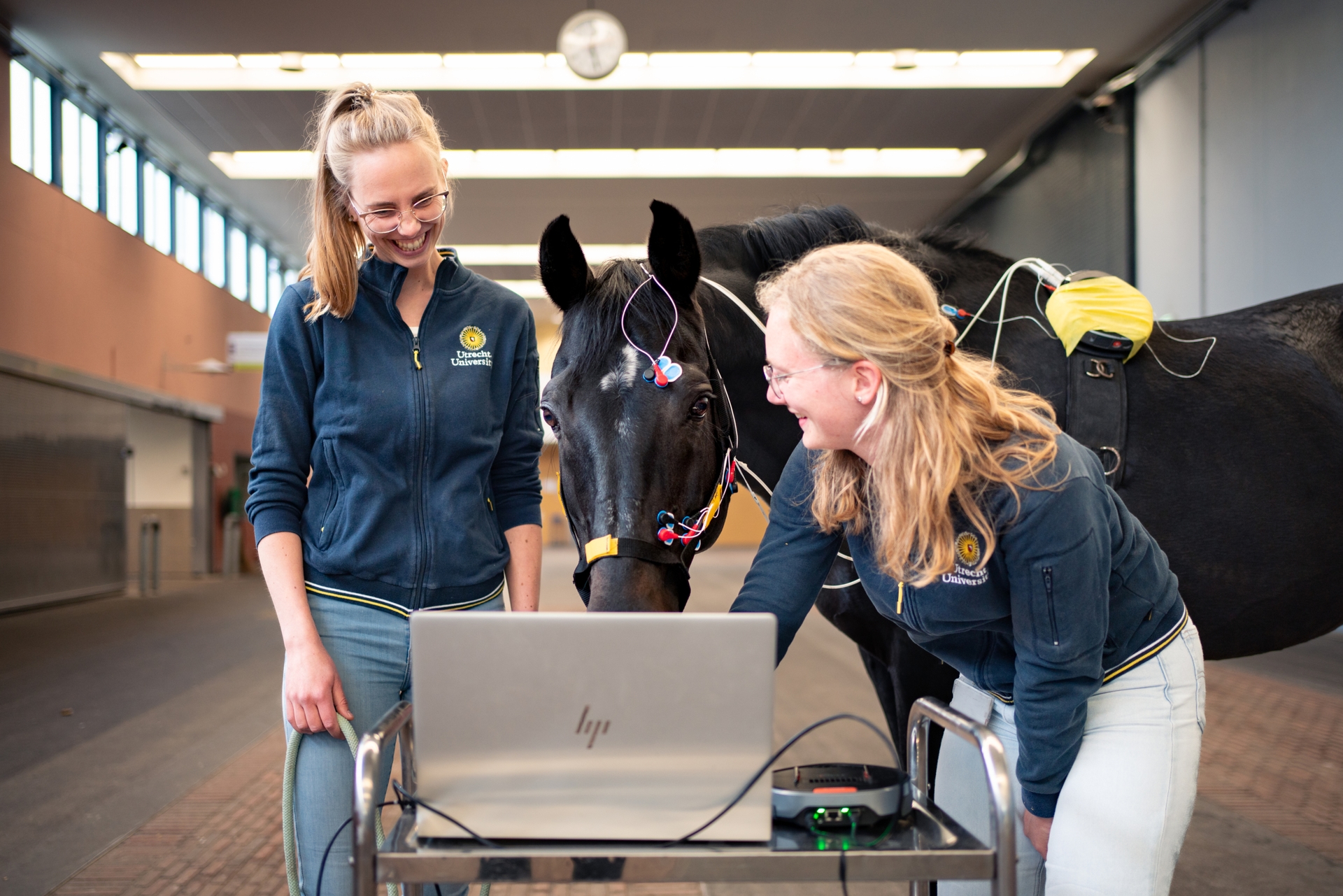
Utrecht Science week: The Future of Veterinary Medicine Requires New Ways of Working Together
Veterinary medicine is changing rapidly. New technologies and AI are entering the field, issues surrounding animal health and welfare are becoming increasingly complex, and the labour market is under pressure. At the same time, there is a growing need for professionals who not only have up-to-date expertise, but who can continue to develop throughout their careers and collaborate across disciplines.
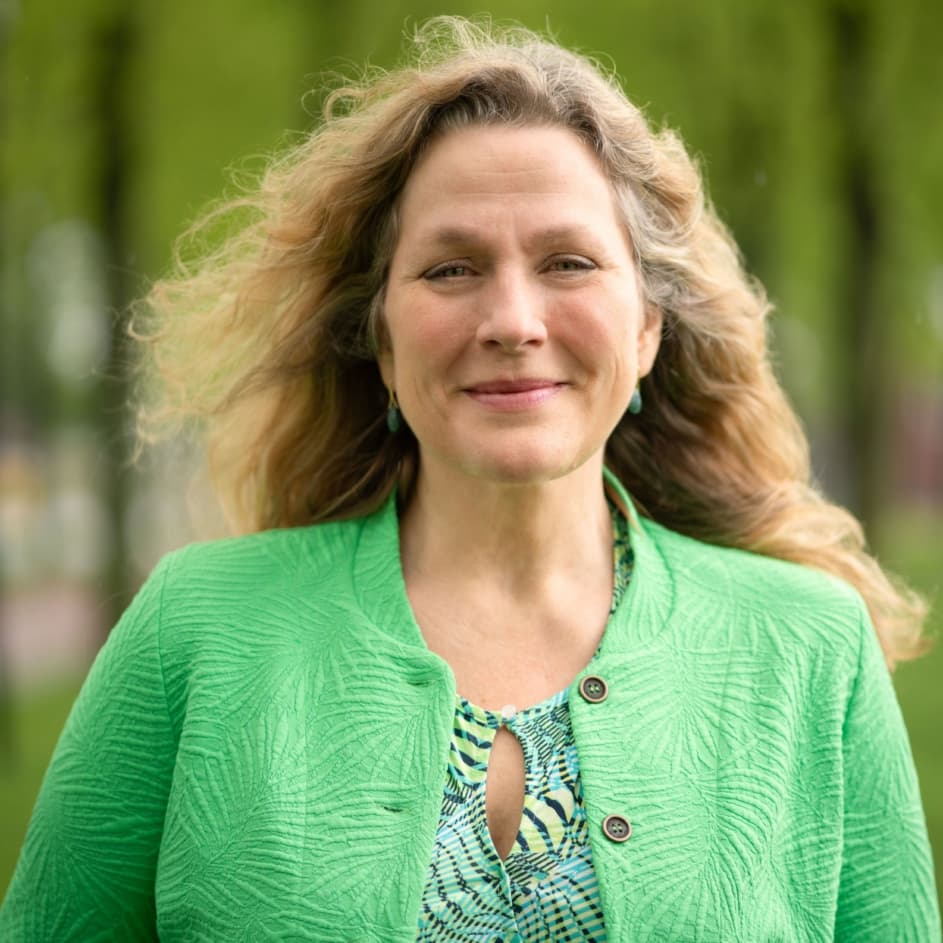
Opening Utrecht Science Week with keynote by Juliette Legler on the hidden influence of environmental chemicals
On Friday, September 25, the annual science festival ‘Utrecht Science Week’ kicks off once again at Utrecht Science Park. We are pleased to announce that this year, Prof. Dr. Ir. Juliette Legler will deliver the Utrecht Science Lecture. Juliette Legler is Professor of Toxicology at the Faculty of Veterinary Medicine at Utrecht University and leads the ‘One Health Toxicology’ group at the Institute for Risk Assessment Sciences (IRAS).