February 4 was World Cancer Day: how Utrecht Cancer’s approach leads to more efficient control
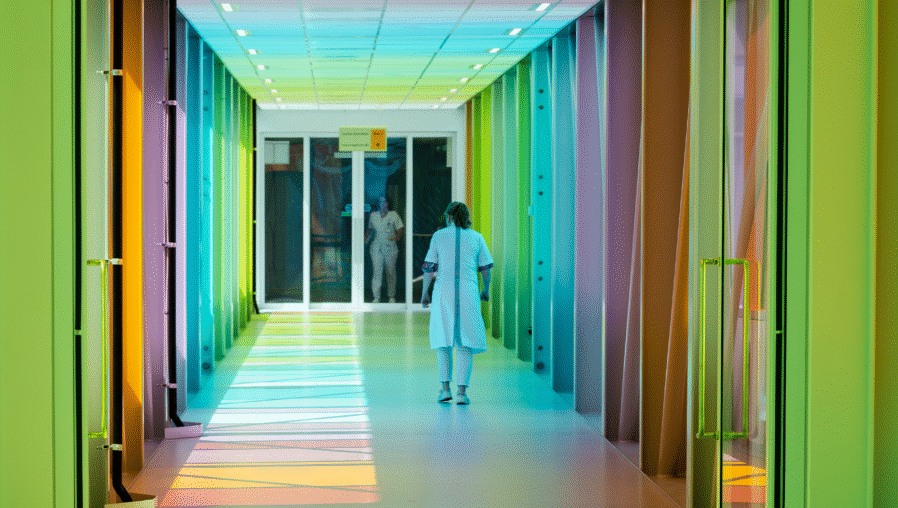
February 4th was World Cancer Day. Every year, the world reflects on the impact of cancer on patients and their loved ones. Utrecht Science Park is home to the largest and most multidisciplinary cancer research community in the Netherlands, the Utrecht Cancer collaborative platform. Collaboration to combat this disease is the key to success. Learn more about how we’re doing this at Utrecht Science Park in the article and video below.
Walking distance
How can we change the future of cancer treatment in a single square kilometer? In the heart of Utrecht Science Park, six leading institutions—University Medical Center Utrecht, Utrecht University, the Princess Máxima Center for Pediatric Oncology, Utrecht University of Applied Sciences, the Hubrecht Institute, and the Westerdijk Institute—have joined forces under the name Utrecht Cancer. Because the organizations are within walking distance of each other at the science park, this fosters collaboration.
Major societal problem
The platform forms the largest and most multidisciplinary cancer research community in the Netherlands and has an enormous impact, from fundamental research to clinical applications, accelerating breakthroughs that improve the lives of children, adults, and animals with cancer. Since 2008, cancer has been the leading cause of death in the Netherlands. In 2024 alone, nearly 130,000 people were diagnosed; a number that, according to the trend report from the Netherlands Comprehensive Cancer Organisation (IKNL), will rise to over 150,000 per year within the next decade. The trend is undeniable, and the urgency has never been greater.
Utrecht Cancer is tackling this challenge with a vision that is as ambitious as it is essential: by pooling knowledge, talent, and resources, it accelerates discoveries and translates them into better treatments for patients worldwide. This demonstrates that only through collaboration can we progress toward a healthier, more sustainable society.
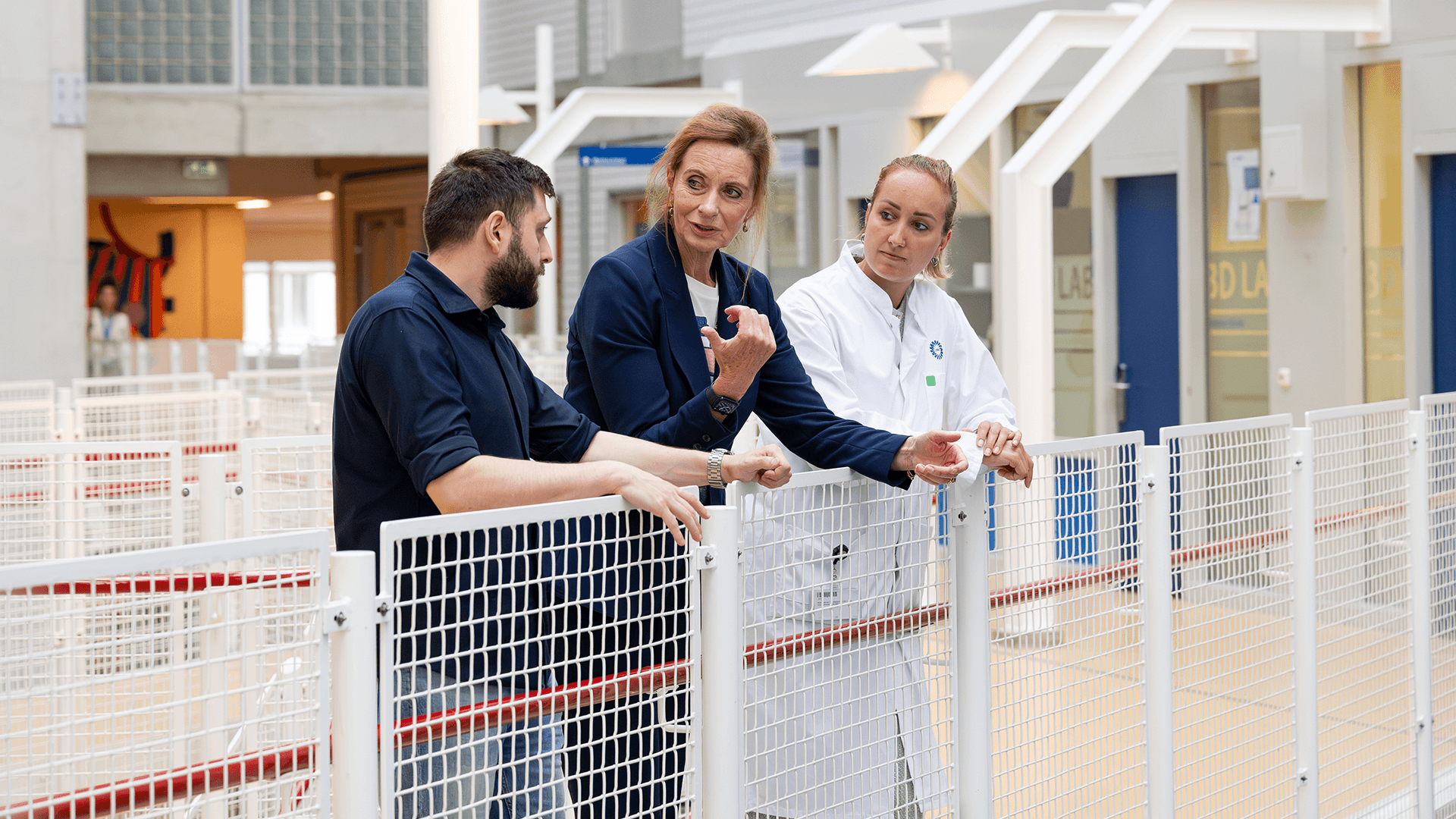
Some examples
1. Sturgeon
When a child lies on the operating table with a brain tumour, every minute counts. Until recently, surgeons had to wait an entire week for lab results to reveal how aggressive the tumour was, often leading to a second, highly invasive operation. Thanks to a collaboration between the Jeroen de Ridder lab at UMC Utrecht and neurosurgeons at the Princess Máxima Center, that wait is over. Together they developed Sturgeon, a groundbreaking AI algorithm that can read the tumour’s genetic profile in just 20 to 40 minutes. Surgeons now get the answers they need during the operation itself, adapting their plan on the spot and sparing young patients a second surgery.
2. Organoids
At Utrecht Cancer, scientists are growing tiny 3D models of human tumours from patient stem cells. These living miniatures are transforming the way new therapies are tested, making it possible to predict how a treatment will work before a patient ever receives it. In Utrecht, organoids are already pushing forward research into head and neck cancers, while ‘urinoids’, (bladder cancer models grown from urine samples), are opening entirely new frontiers in precision medicine. Here, the Hubrecht Institute, UMC Utrecht and the Faculty of Veterinary Medicine are joining forces to bring truly personalised cancer treatment within reach.
3. Collaboration with the Faculty of Veterinary Medicine
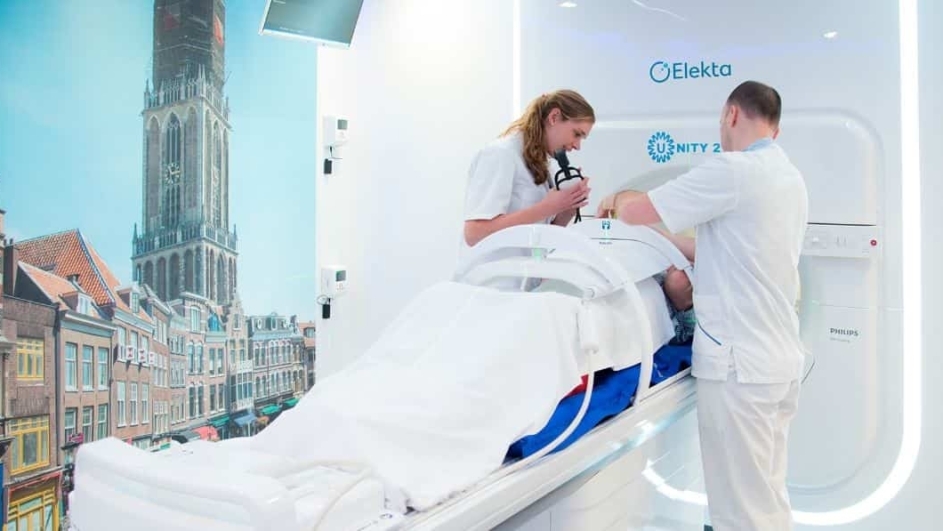
At UMC Utrecht’s internationally acclaimed Department of Radiotherapy, doctors are redefining cancer treatment with cutting-edge image-guided techniques. Their strength lies in a rare partnership with the Faculty of Veterinary Medicine, where animal cancer care is woven directly into scientific research. This unique collaboration bridges human and veterinary oncology, enabling discoveries that benefit both patients and pets. It reflects Utrecht Cancer’s broader vision: linking human, animal, and environmental health, while paving the way for future innovations that are not only effective, but increasingly animal-free.
The message is clear: cancer is too complex for one lab, one hospital, or one discipline to solve alone. But together, we can.
Read more about Utrecht Cancer here.
Watch the video about Utrecht Cancer below, created in collaboration with NL/New Dutch and Utrecht & Partners. In the video, Prof. Dr. Elsken van der Wall explains what makes Utrecht Cancer so unique.
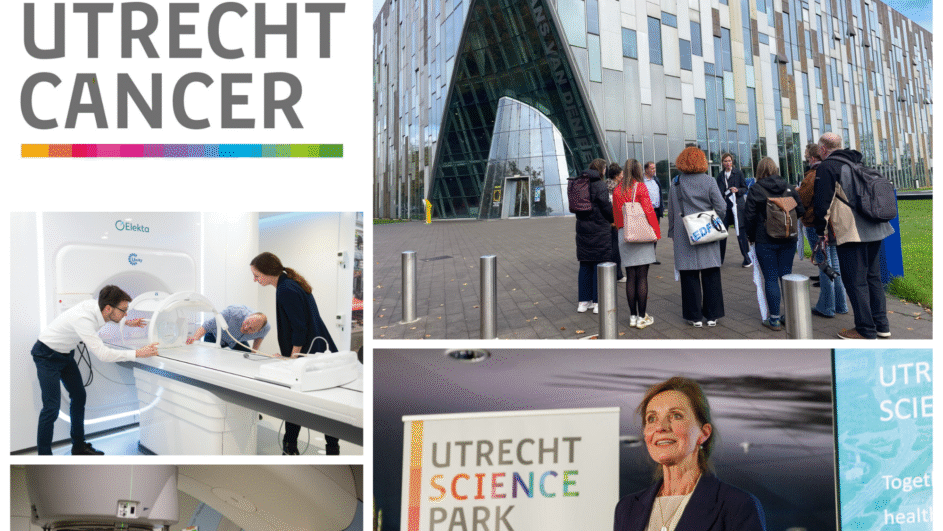
International journalists visited Utrecht Science Park for unique collaboration “Utrecht Cancer”
In mid-October, journalists from Germany and Belgium visited Utrecht Science Park to hear the story about “Utrecht Cancer.” Utrecht Cancer connects the largest and most multidisciplinary cancer research community in the Netherlands and is a partnership between UMC Utrecht, Utrecht University, the Hubrecht Institute, and the Princess Máxima Center for Pediatric Oncology.
Unique collaboration on cancer research in Utrecht empowered
Official kick-off ‘Utrecht Cancer’ by partners at the Utrecht Science Park. The Utrecht Science Park houses a unique combination of knowledge institutes, (academic) hospitals and companies within one square kilometre. For quite some time, these partners have been working intensively together on pioneering research and developments in the treatment of cancer among children, adults and animals. On Monday 30 September, his unique cooperation on cancer research was confirmed by the official kick-off of the ‘Utrecht Cancer’ cooperation platform.