UMC Utrecht study shows better treatment for kidney patients
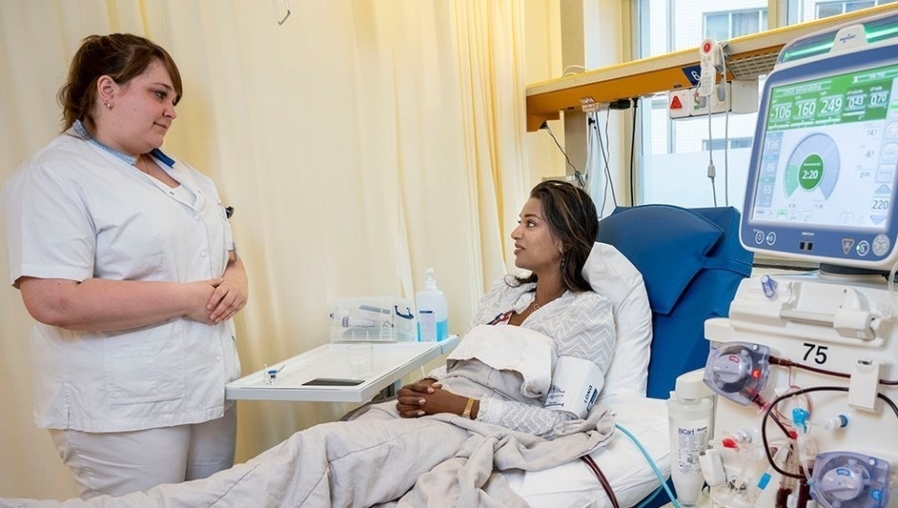
International research shows that kidney patients experience a better quality of life with the dialysis treatment hemodiafiltration. Kidney patients have a lower risk of death with this dialysis method than with standard hemodialysis. The higher the dose of hemodiafiltration, the lower the risk of death. This is evident from two studies led by UMC Utrecht. The results of the studies were recently published in Kidney International and The Lancet, and are expected to lead to wider global application of hemodiafiltration.
The researchers compared two treatments for kidney patients dependent on dialysis: hemodiafiltration and hemodialysis. In hemodialysis, a dialysis machine filters blood through an artificial kidney. Hemodiafiltration is a modified form of hemodialysis. In hemodiafiltration, water, waste products and other excess substances move through the filter, into the flushing fluid, much faster. “Patients’ quality of life has been studied in terms of physical and cognitive functions, fatigue, sleep, anxiety, depression, pain and social activities,” explains researcher and nephrologist Peter Blankestijn. “Patients who received hemodiafiltration deteriorated less severely in health compared to those who received hemodialysis. Patients experienced a better quality of life, especially on thinking skills.”
Lower risk of death
Kidney patients have a lower risk of death with the dialysis treatment hemodiafiltration compared to the standard method hemodialysis. This is according to a new meta-analysis by UMC Utrecht that analyzed data from 4,153 patients from five large randomized controlled trials. The results indicate that with this dialysis treatment, the risk of death decreases on average by 16 percent. The risk of dying from cardiovascular disease decreased by 33 percent. The effect appears to be dose-dependent, that is, the higher the dose of hemodiafiltration, the lower the risk of death.
Specific patient groups
The researchers also looked at specific patient groups. “No differences were found between specific patient groups, for example, women and men, or patients with or without diabetes mellitus, or younger and older patients,” says researcher Robin Vernooij. “These analyses showed that most patient groups will benefit from hemodiafiltration. It is now important to add the balance of costs and benefits to all studies. This combination provides a solid basis for recommendations for a change in clinical practice. It is expected that in the near future worldwide guideline committees will begin to recommend much wider use of hemodiafiltration to kidney patients.”
By 2040 fifth cause of death
10 percent of the population has chronic kidney disease and it is expected to be the fifth leading cause of death worldwide by 2040. More than 6,200 patients in the Netherlands, and about 4 million people worldwide undergo dialysis treatment. Hemodialysis is the most widely used dialysis method, used in 80% of patients in the Netherlands by the end of 2021. Despite this treatment, about 10 percent of treated patients still die each year. Worldwide there are still large differences in the provision of hemodiafiltration, in some countries almost all dialysis patients receive this treatment and in others none.
European cooperation
The studies were conducted under the leadership of the CONVINCE consortium in collaboration with the HDF Pooling project consortium. CONVINCE was made possible by a grant from the European Commission Research & Innovation, Horizon 2020, Call H2020-SC1-2016-2017 under the topic SC1-PM-10-2017: Comparing the effectiveness of existing healthcare interventions in the adult population (grant no 754803-2).
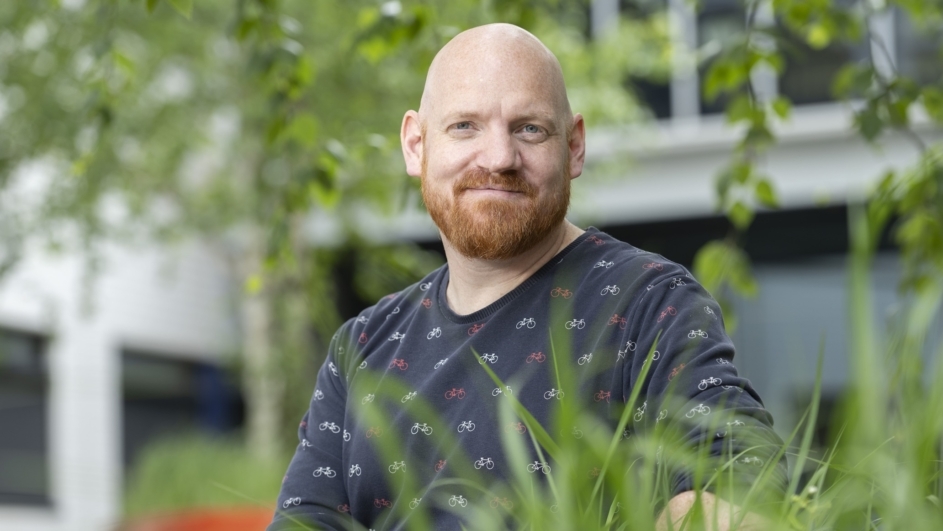
Interview: Thomas Hoogeboom on the future of Mobility & Health
Healthcare in the Netherlands is at a turning point. The new Societal Impact Platform Mobility & Health aims to connect knowledge and expertise across research disciplines, organizations and societal partners. We spoke to Thomas Hoogeboom, Professor of Physiotherapy Sciences and initiator of the platform, about the importance of mobility for health, the value of collaboration and what to expect from the kick-off during Utrecht Science Week.

How UtrechtInc. helps startups grow
From a promising idea to a startup: getting there takes more than a good idea. UtrechtInc is a startup incubator that supports students, researchers and entrepreneurs in the Utrecht region during the early stages of their startup. Through validation programmes, personal guidance and a network of experts and investors, UtrechtInc helps founders develop and test their ideas.

The new sports season at Olympos has kicked off again
The holidays are over, and the sports season has kicked off again! With packed schedules and tight deadlines, it is tempting to just keep working. Before you know it, you’ve spent hours in front of your screen or in the lab without taking a real break. Especially when things are busy, physical activity can help you unwind and gain new energy and inspiration.
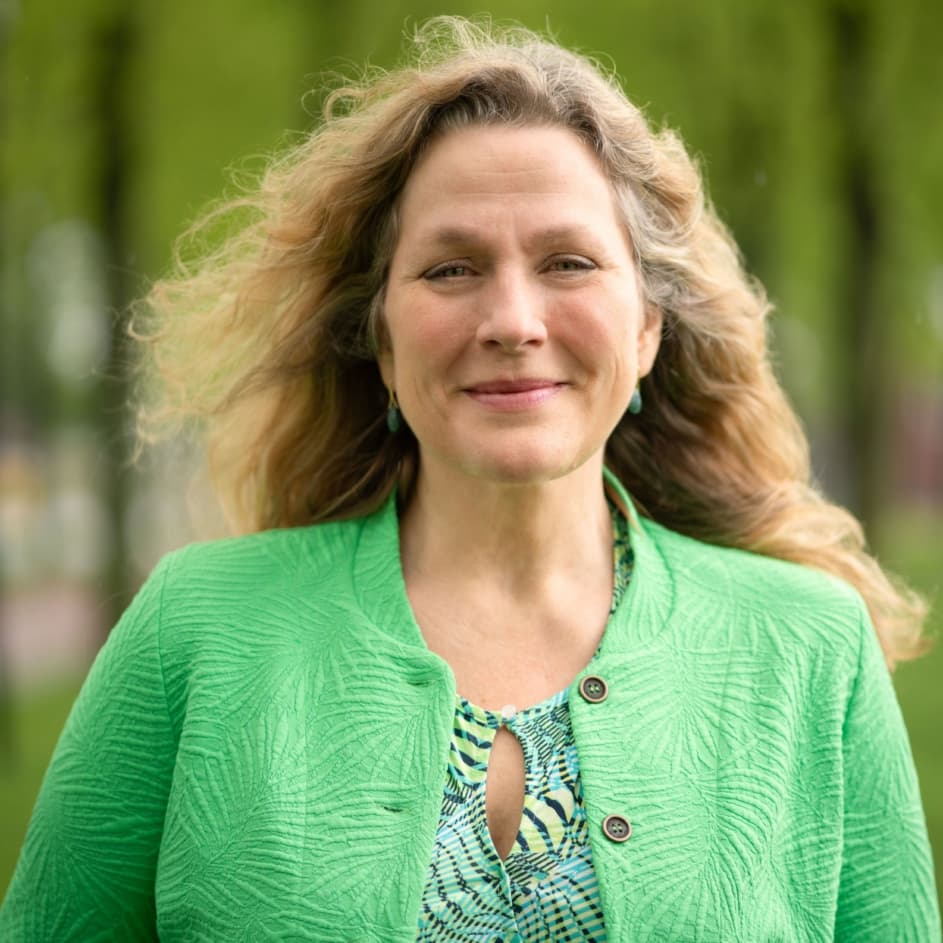
Opening Utrecht Science Week with keynote by Juliette Legler on the hidden influence of environmental chemicals
On Friday, September 25, the annual science festival ‘Utrecht Science Week’ kicks off once again at Utrecht Science Park. We are pleased to announce that this year, Prof. Dr. Ir. Juliette Legler will deliver the Utrecht Science Lecture. Juliette Legler is Professor of Toxicology at the Faculty of Veterinary Medicine at Utrecht University and leads the ‘One Health Toxicology’ group at the Institute for Risk Assessment Sciences (IRAS).