Two researchers from Utrecht receive top Dutch science awards
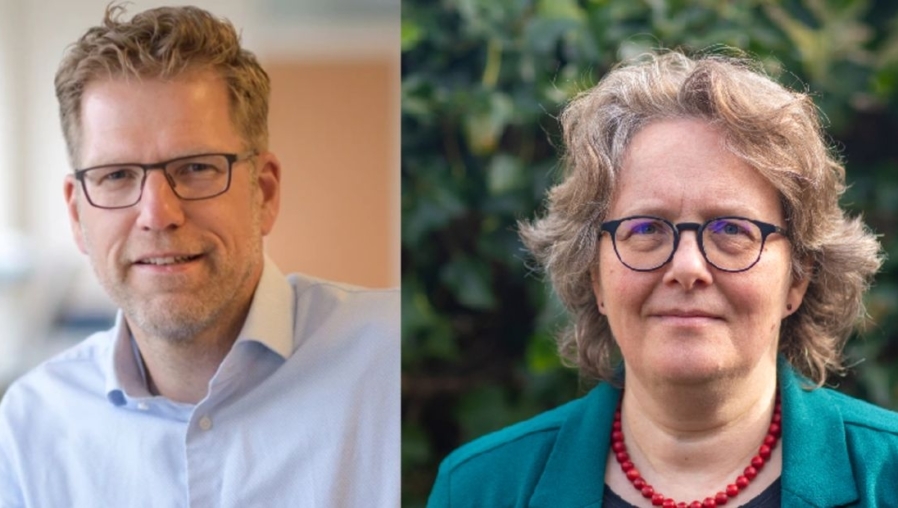
Researchers Ingrid Robeyns and Thijn Brummelkamp have been awarded the Stevin and Spinoza Prize respectively for their pioneering work on social inequality and genetic research.
Two leading researchers from Utrecht have been awarded this year for the highest honours in Dutch science: the Spinoza and Stevin prizes. Both prizes, also known as the “Dutch Nobel Prizes”, are awarded to researchers doing outstanding and pioneering work. Each winner receives EUR 1.5 million for further research and utilisation of their knowledge.
Professor and philosopher Ingrid Robeyns from Utrecht University has been awarded the Stevin Prize. She is renowned for her research on inequality and the societal impact of extreme wealth. Robeyns advocates for a cap on personal wealth and develops policy proposals aimed at reducing inequality and strengthening democratic institutions. Her work offers concrete solutions to societal challenges and is widely appreciated, including by the Netherlands Institute for Social Research. Robeyns emphasizes that the award holds special meaning because the impact of philosophical research is often hard to make tangible: “My contributions lie in ideas and concepts that help us better understand and shape society.”
This year’s Spinoza Prize goes to Professor of Experimental Genetics Thijn Brummelkamp, who also serves as the scientific director of the Netherlands Cancer Institute. He is being recognized for his innovative genetic research, through which he uncovers the strategies used by pathogens. Thanks to techniques he developed, researchers around the world are now better able to study how genes function within human DNA—an essential step in the development of new treatments for cancer and infectious diseases. Brummelkamp highlights his broad research approach: “I deliberately avoid narrowing my focus to one specific path, instead pursuing research that opens up a wide range of discoveries to benefit both people and science.”
The NWO awards highlight the importance of both fundamental and socially relevant research. While the Spinoza Prizes focus on groundbreaking scientific discoveries, the Stevin Prizes emphasize the societal impact and practical application of knowledge.
Source: RTV Utrecht, Universiteit Utrecht
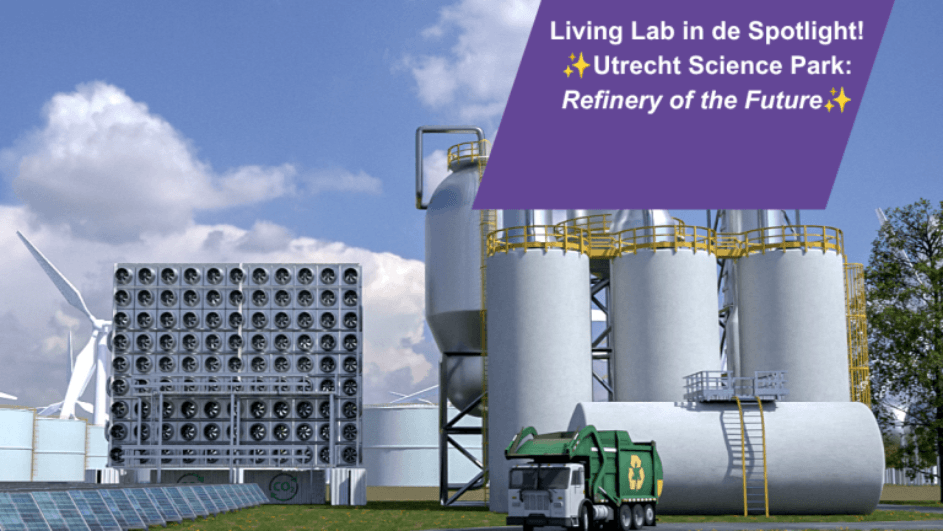
Living Lab in the Spotlight: Utrecht Science Park
Utrecht Science Park is home to several living labs focused on energy and circularity. These include Lumifield, which explores the generation and storage of solar energy, and the biogas digester, which uses organic waste as an energy source. On their own, these are already promising initiatives. Connected, they could become something much bigger: a functioning, learning model for a circular campus.
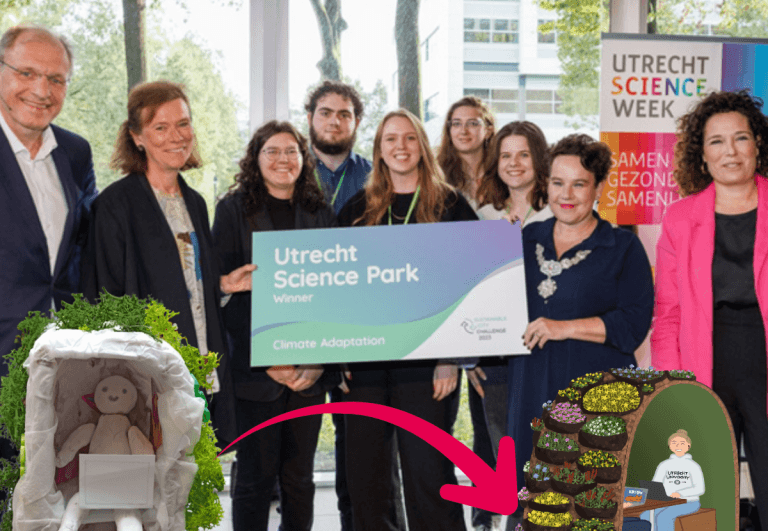
From student idea during challenge to ReGreen Hut at Dutch Design Week
On hot summer days, temperatures can rise significantly at Utrecht Science Park, while students are looking for places to study, relax and find some shade outdoors. At the same time, planting trees is not always straightforward: underground, the campus is crisscrossed by a dense network of cables and utility lines. So how can we create shade, greenery and places to relax without major changes to the ground?
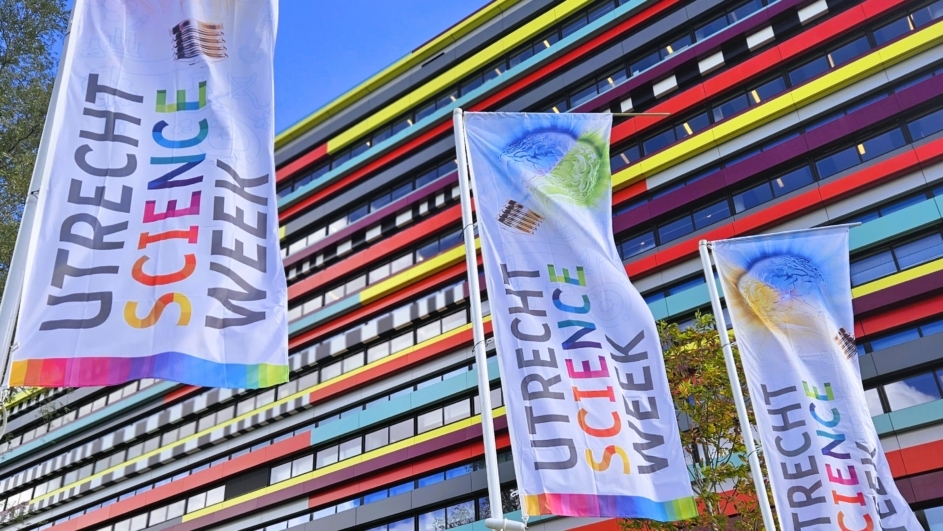
Utrecht Science Week kicks off: social and economic impact of Utrecht Science Park in the spotlight
The sixth edition of Utrecht Science Week takes place from Friday, 25 September to Sunday, 4 October. During this time, Utrecht Science Park opens its doors to the general public, showcasing how research, innovation, and collaboration lead to tangible societal and economic impact. At the same time, the week underscores the importance of sustained investment in knowledge and innovation.
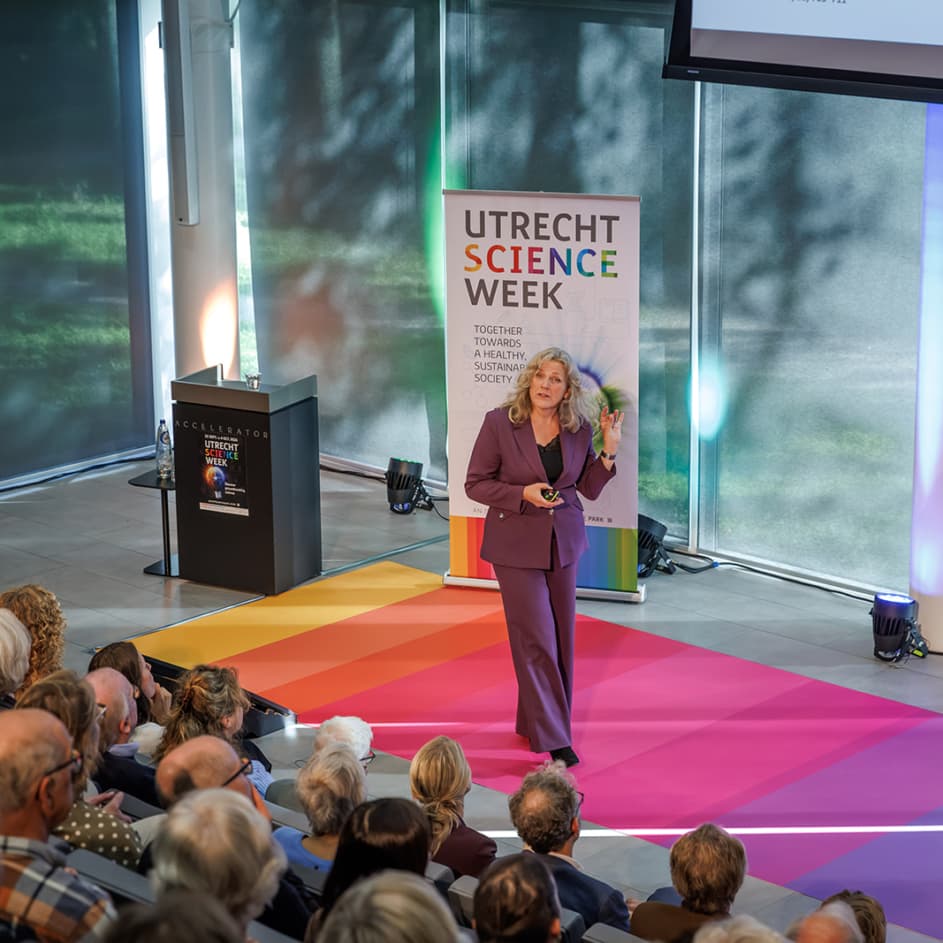
Looking back at Utrecht Science Week: research, education, and entrepreneurship in the spotlight
Utrecht Science Week 2026 has come to a close. For over a week, visitors enjoyed workshops, lectures, group discussions, and tours focused on science and innovation at Utrecht Science Park. With more than thirty program activities across over 25 locations, there were ample opportunities to experience science up close. We look back on a fantastic week that once again highlighted the essential role of collaboration, and the combination of research, education, and entrepreneurship, in addressing the societal challenges of our time.