Survival rates of children with cancer continue to increase
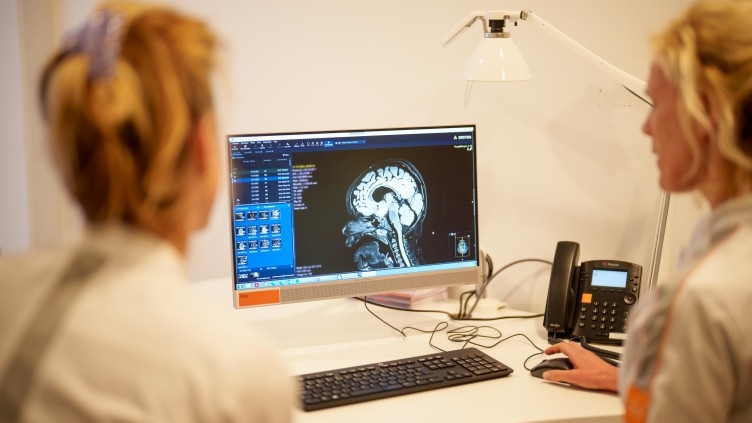
The survival rate of children with cancer continues to rise, according to figures published by IKNL. Healthcare professionals and scientists at the Princess Máxima Center remain committed to curing even more children with cancer and improving the quality of life of children and survivors.
Compared to the period 1990-1999, the survival rate of children diagnosed with cancer in 2010 through 2018 is markedly higher. For diagnoses during the latter period, the survival rate was 84 percent, up from 74 percent in the 1990s.
‘It is good to see that survival in childhood cancer has continued to increase,’ Prof. Dr. René Medema, Chief Scientific Officer, says of the new IKNL figures. ‘In several forms of leukemia, such as AML and ALL, we see the largest increase thanks to a sum of many different improvements. But across the board, there are still too many children with an extremely poor prognosis: the most difficult-to-treat tumors remain. That is why it is so important to continue to join forces of healthcare professionals and researchers within the Netherlands, within Europe and worldwide. Only together can we achieve the breakthroughs needed to cure all children with cancer, with optimal quality of life.’
Following the new figures, pediatric oncologist dr. Wouter Kollen and pediatric neurosurgeon prof. dr. Eelco Hoving gave an interview to the AD newspaper. Among other things, they talked about the strides being made with immunotherapy for treatment of leukemia, how new technology lets doctors operate better, and approaches to permanently improve the quality of life of children and survivors.
IKNL’s full press release can be found here. The AD interview is here.
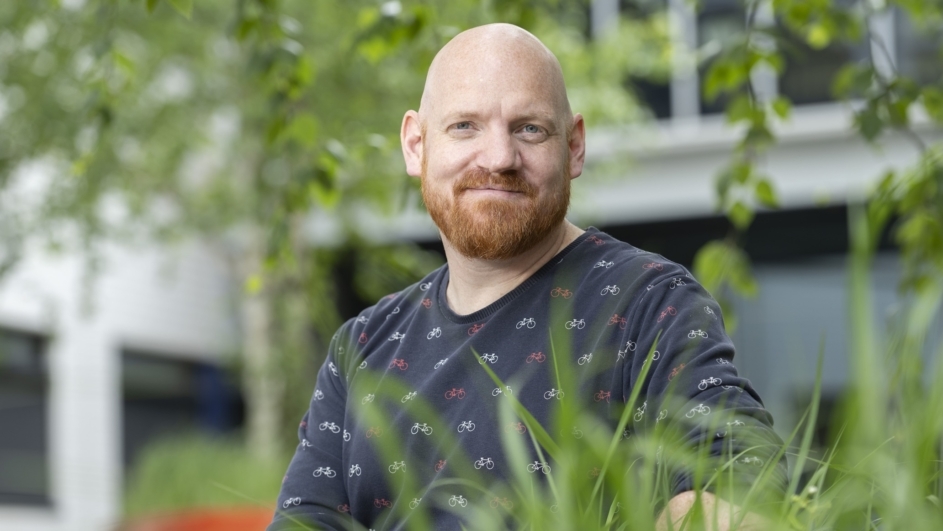
Interview: Thomas Hoogeboom on the future of Mobility & Health
Healthcare in the Netherlands is at a turning point. The new Societal Impact Platform Mobility & Health aims to connect knowledge and expertise across research disciplines, organizations and societal partners. We spoke to Thomas Hoogeboom, Professor of Physiotherapy Sciences and initiator of the platform, about the importance of mobility for health, the value of collaboration and what to expect from the kick-off during Utrecht Science Week.

How UtrechtInc. helps startups grow
From a promising idea to a startup: getting there takes more than a good idea. UtrechtInc is a startup incubator that supports students, researchers and entrepreneurs in the Utrecht region during the early stages of their startup. Through validation programmes, personal guidance and a network of experts and investors, UtrechtInc helps founders develop and test their ideas.

The new sports season at Olympos has kicked off again
The holidays are over, and the sports season has kicked off again! With packed schedules and tight deadlines, it is tempting to just keep working. Before you know it, you’ve spent hours in front of your screen or in the lab without taking a real break. Especially when things are busy, physical activity can help you unwind and gain new energy and inspiration.
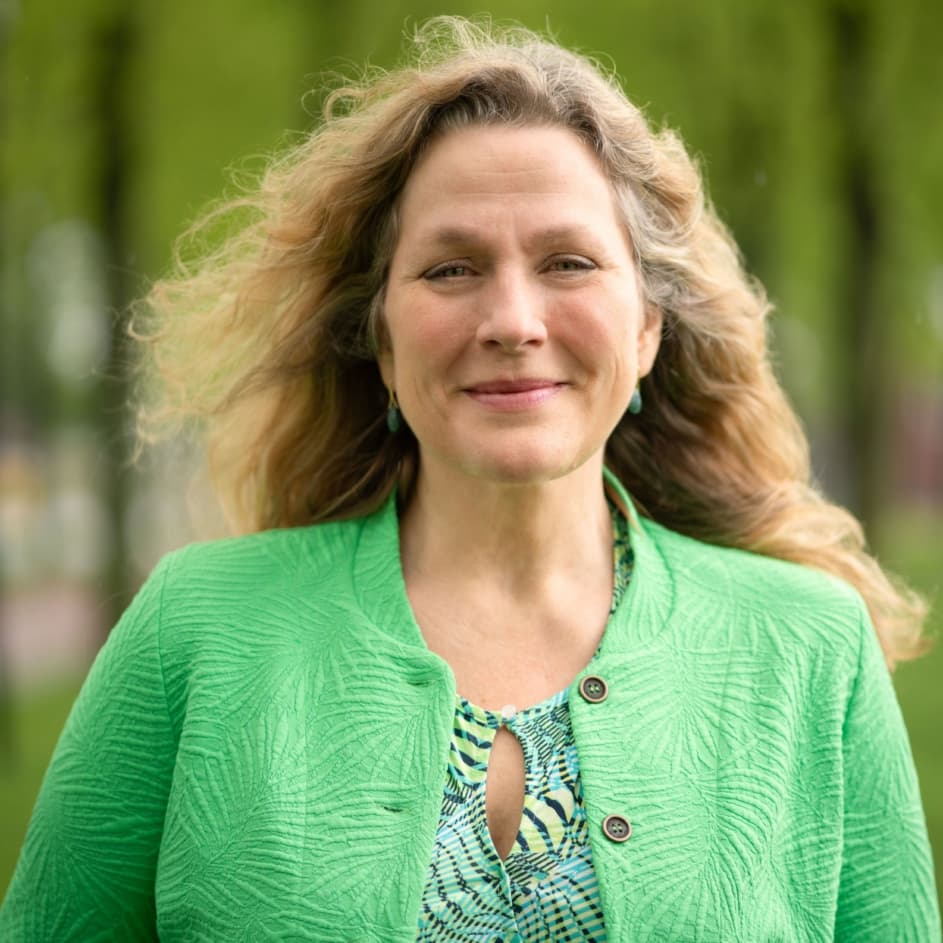
Opening Utrecht Science Week with keynote by Juliette Legler on the hidden influence of environmental chemicals
On Friday, September 25, the annual science festival ‘Utrecht Science Week’ kicks off once again at Utrecht Science Park. We are pleased to announce that this year, Prof. Dr. Ir. Juliette Legler will deliver the Utrecht Science Lecture. Juliette Legler is Professor of Toxicology at the Faculty of Veterinary Medicine at Utrecht University and leads the ‘One Health Toxicology’ group at the Institute for Risk Assessment Sciences (IRAS).