Design and start of construction for new greenhouses at the Botanical Gardens announced
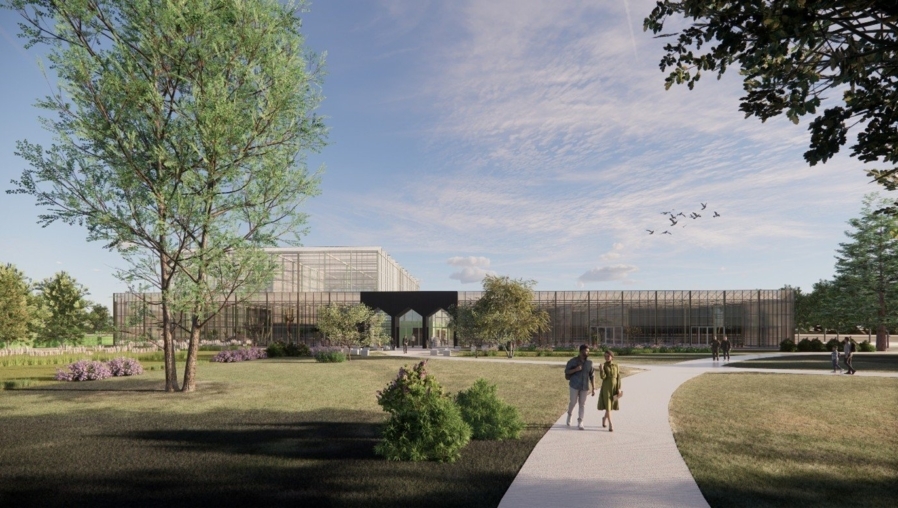
The design for the new greenhouse complex of the Botanical Gardens has been finalized, the construction partners have been selected and preparations for construction will start in November 2026. This brings the realization of the new complex one step closer. Construction is scheduled for spring 2027.
Central and South American Tropics
Utrecht University’s Botanical Gardens are gaining a new greenhouse complex, as the previous structures had become outdated and no longer met the requirements for modern research and collection management. The new facilities house a unique collection of tropical plants—with a focus on Central and South America—and support Utrecht University’s scientific research into plants, biodiversity, ecology, and sustainability. Both the research and the plant collection within these greenhouses contribute to our understanding and conservation of plant species native to the Central and South American tropics. Nowhere is the biodiversity crisis more apparent than in this region: the Amazon rainforests are threatened by deforestation, while the Andean cloud forests and the wetland forests of the Pantanal are under severe pressure from climate change. As a result, many plant species—which form the foundation of ecosystems and are essential to our daily lives—are disappearing. Plants provide oxygen, sequester CO2, stabilize soil, and serve as the base of food chains.
Research for Biodiversity Conservation
To preserve plants and ecosystems amidst changing conditions, several research groups are seeking answers to a range of critical questions. We aim to understand how plants respond to factors such as temperature, moisture, light, and biodiversity. How exactly do plants grow and develop? How do they remain healthy and resilient? How are they affected by shifting precipitation patterns and extreme drought? And what are the consequences of changing land use for the natural world? A visitor’s journey through six climate zones
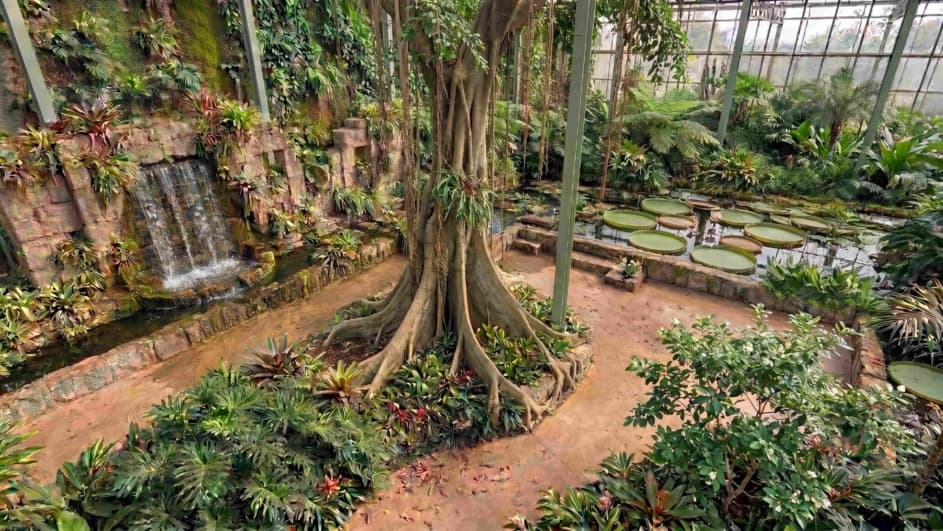
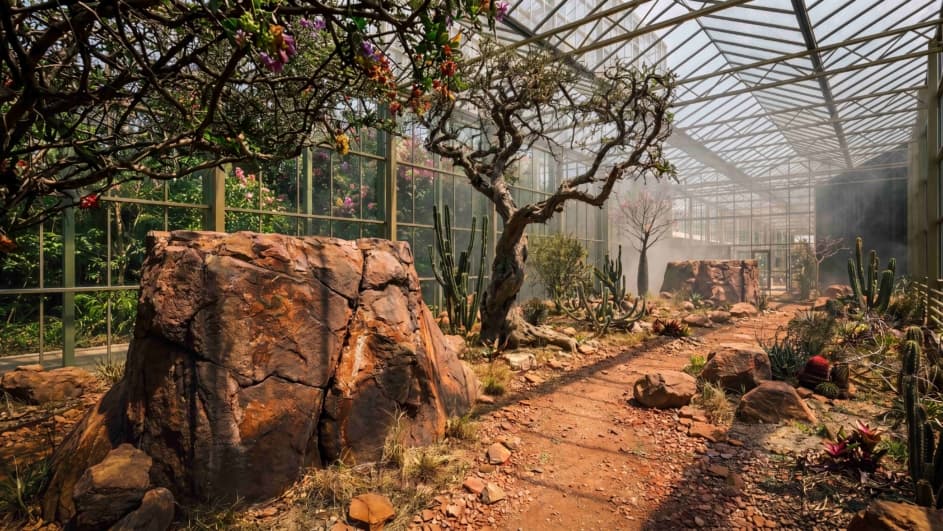
Beyond serving as a vital hub for groundbreaking research and inspiring education, the Botanical Gardens act as a living museum where visitors can constantly discover something new about the fascinating world of plants. The visitor experience within the tropical greenhouses is structured as an exploratory journey through the American tropics. From the outside, one can already see plants thriving in the ‘Caatinga’—a hot, arid desert climate zone. Here, and across five other climate zones, visitors encounter the beauty of plants and learn to perceive them in a new light. Each climate zone features its own unique ecosystem, inviting visitors to engage in active exploration through sight, sound, and scent. The journey concludes by drawing connections between the plants housed in the greenhouses and the contemporary botanical research being conducted at Utrecht University.
Research and collection management under one roof
The new greenhouse complex elevates the standards for both research and collection management. By integrating the Ecotron—part of the Netherlands Plant-EcoPhenotyping Centre (NPEC)—the facility fosters close collaboration between various research groups. Furthermore, the new greenhouse offers greater space and vertical clearance for tropical flora, including larger trees, while modern greenhouse technology ensures a significantly more stable climate and improved growing conditions.
The design follows a clear, logical layout that brings together the collection, research activities, and support functions within a single building. Workspaces, logistics areas, and technical installations have been carefully integrated to ensure the entire facility operates efficiently. A new public route through the greenhouse provides excellent visibility of the plant collection.
Respect for the historic setting
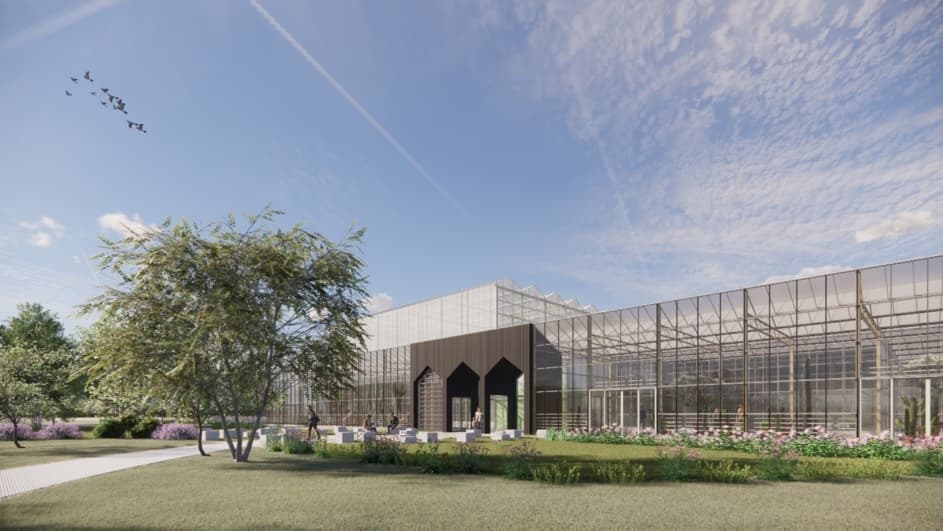
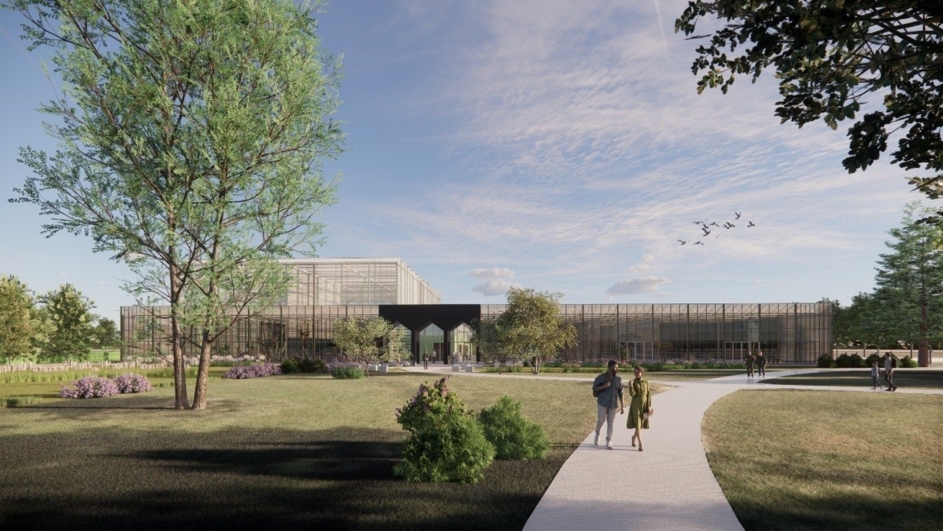
The design process began by identifying the specific requirements for research, collection management, and staff. Starting from this premise, the goal was to find a building that suits its unique location on the grounds of Fort Hoofddijk and within the Botanical Gardens. The greenhouse is situated within the fort’s “field of fire”—a zone historically kept clear for defensive purposes—which is now part of a UNESCO World Heritage site. This necessitated a design that is careful and restrained in its appearance. Consequently, the tall section of the tropical greenhouse is deliberately set back from the southern façade. The opaque, enclosed portions of the greenhouses are positioned on the north side, while the transparent sections face south to maximize exposure to the sun.
The southern side differs from a standard greenhouse. Because this section maintains a dry climate, it was possible to incorporate a highly transparent façade, effectively putting the plant collection on display.
The entrance features an abstract reference to the silhouettes of three small wooden structures. This design element alludes to the history of the Fort Hoofddijk field of fire, which once contained wooden buildings and structures that could be removed or burned down in times of threat. For the entrance, charred timber was chosen—a durable, low-maintenance material that complements the overall aesthetic of the design.
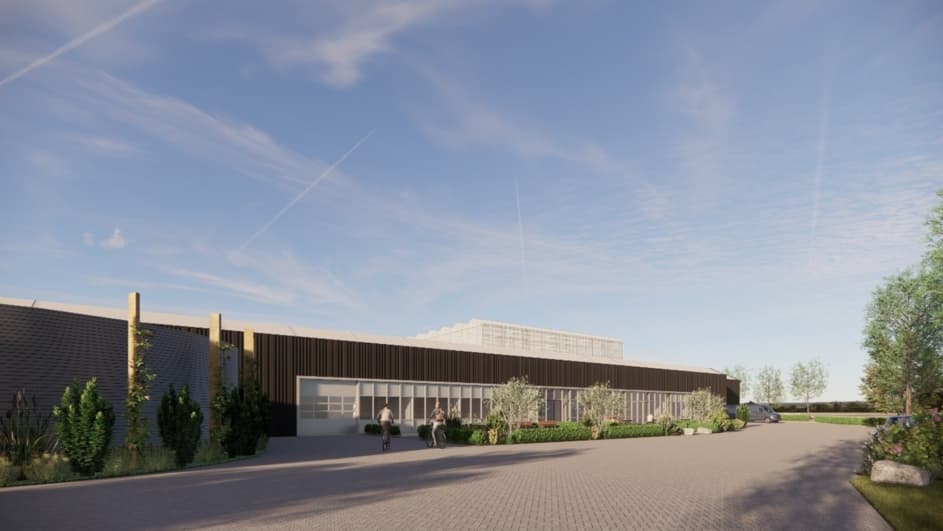
The tall greenhouse is intentionally designed differently, featuring double glazing and a distinct color scheme. This creates a unique visual character while simultaneously offering greater energy efficiency and better suitability for maintaining a tropical climate throughout all seasons. On the north side—the enclosed part of the greenhouse complex—sandwich panels serve this purpose; they are functional due to their insulating properties, and their vertical profiling and color harmonize with the wooden entrance.
Focus on energy and water
The design prioritizes efficient energy and water use. The climate control systems utilize thermal energy storage (TES). Furthermore, at least 90% of the water is recycled; water that evaporates within the greenhouses and condenses on the glass is collected, treated, and reused.
The climate control system has also been carefully designed. Double glazing is used in the high-temperature greenhouses. In the research greenhouses, computer-controlled screens regulate the amount of sunlight and heat that enters, ensuring the climate is tailored to the specific needs of the plants.
Timeline
Preparations for construction will begin in November 2026. Construction of the new greenhouse complex is set to commence in the spring of 2027 and is expected to be completed by the spring of 2028. This will be followed by a period for moving in and outfitting the greenhouses. Future updates will provide information on when the greenhouses will once again be open to the public.
Want to know more?
Visit uu.nl/campus-development for the latest information on the construction work. You can also find further details there regarding the transformation of Utrecht Science Park and Utrecht University’s ambitions for sustainable real estate.
Design and start of construction for new greenhouses at the Botanical Gardens announced
The design for the new greenhouse complex of the Botanical Gardens has been finalized, the construction partners have been selected and preparations for construction will start in November 2026. This brings the realization of the new complex one step closer. Construction is scheduled for spring 2027.
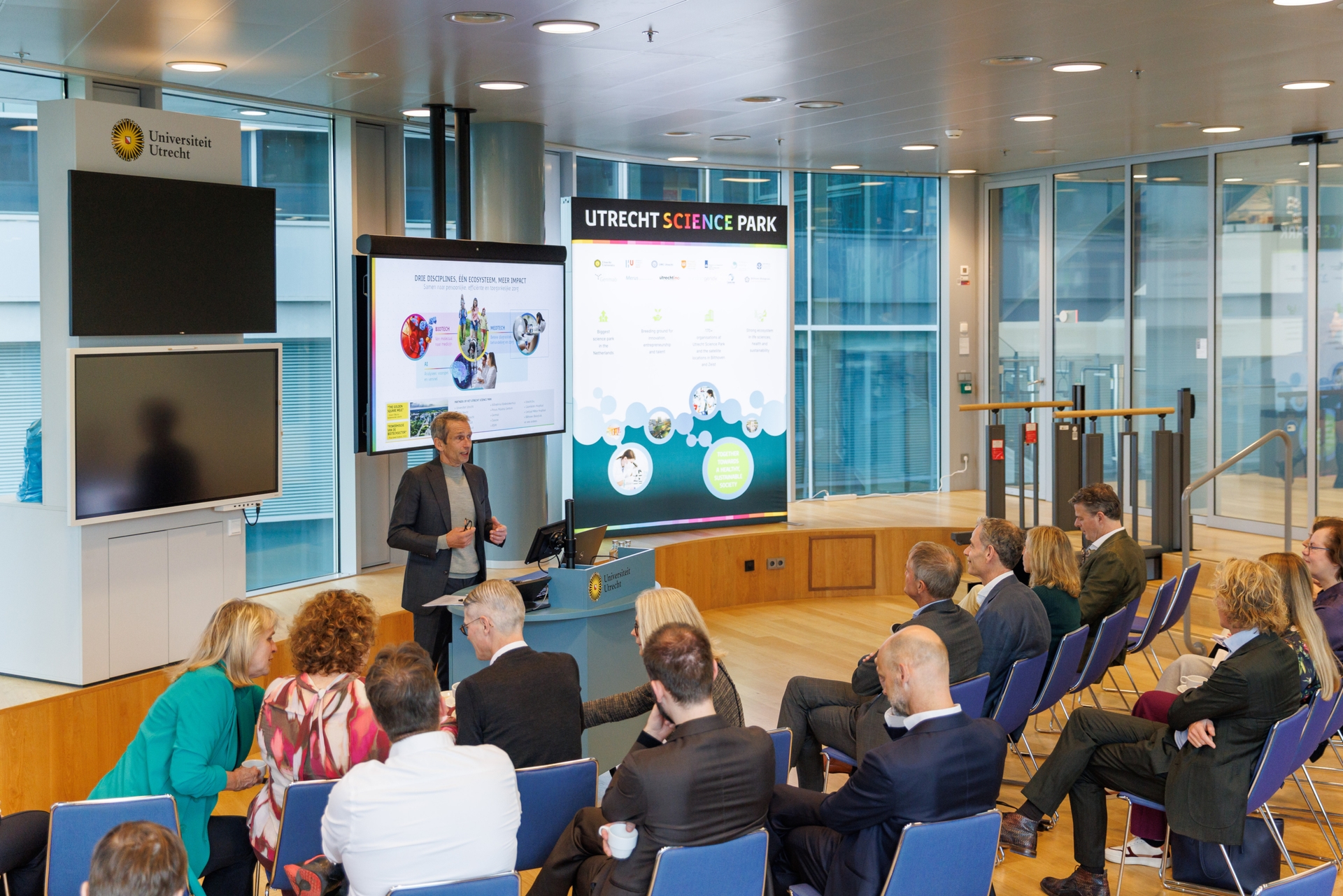
Senior civil servants from the Ministries of Economic Affairs and Climate Policy (EZK) and Health, Welfare and Sport (VWS) visit Utrecht Science Park to exchange knowledge on improving prevention, healthcare and economic earning capacity.
How can we ensure that innovations reach patients more effectively and quickly, while also contributing to the Netherlands’ future earning capacity? This question was at the heart of a visit by senior civil servants from the Ministry of Economic Affairs and Climate Policy and the Ministry of Health, Welfare and Sport to Utrecht Science Park on Friday, 31 October.
2.5-hectare new nature reserve at Utrecht Science Park opened
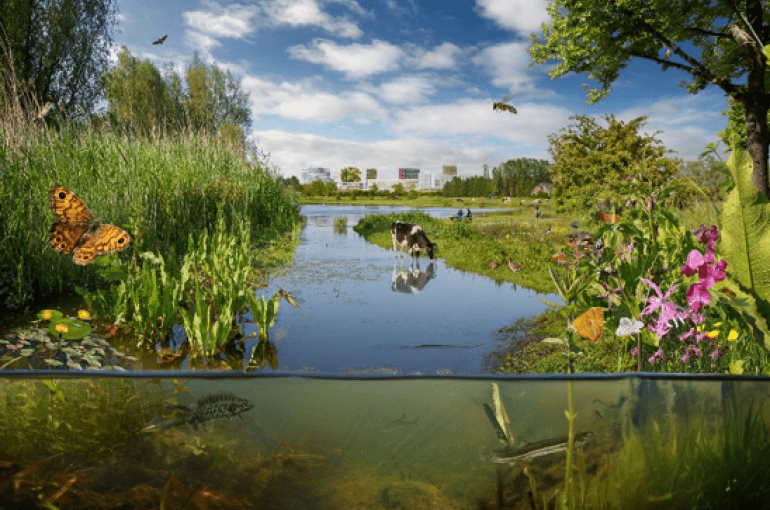
In an area where education, healthcare, housing and research compete for space, 2.5 hectares – equivalent to seven football pitches – of new nature has been created. A 1.6-kilometre-long ‘green corridor’ connects Utrecht Science Park with the surrounding nature reserves, enhances biodiversity and makes the area more attractive to plants and animals.
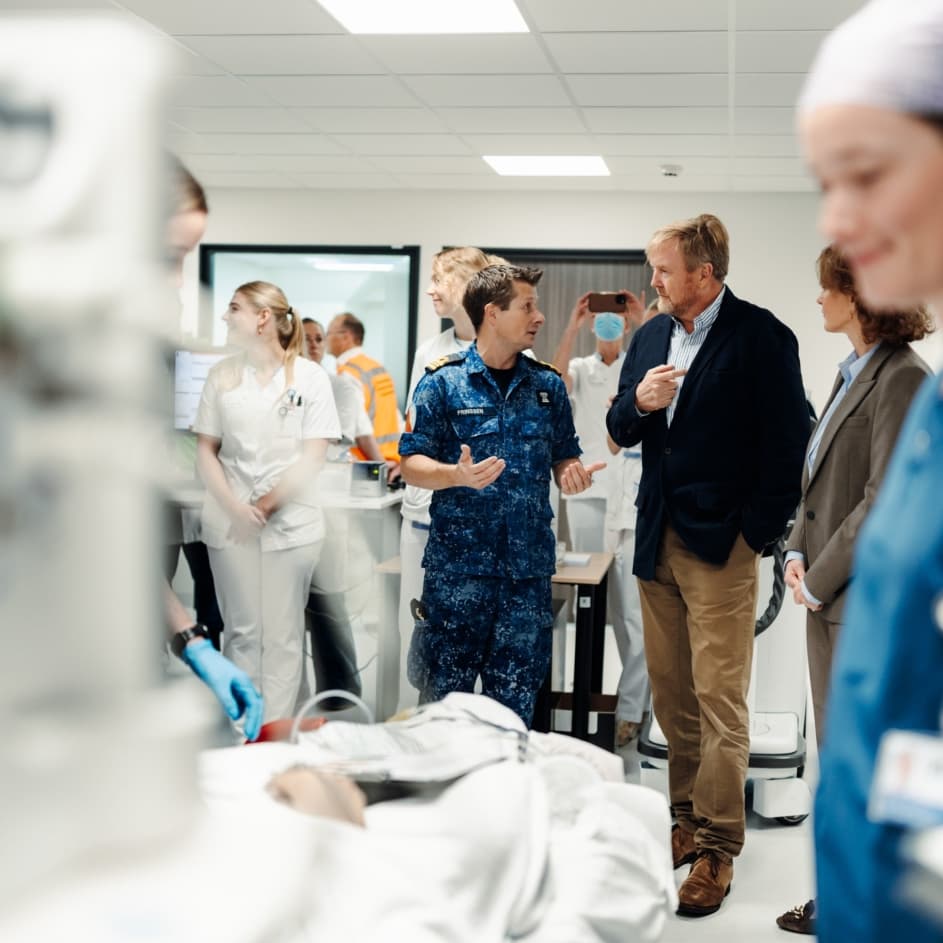
His Majesty the King visits large-scale exercise at the Major Incident Hospital at Utrecht Science Park: prepared together for major emergencies
On Saturday, October 31, a large-scale exercise took place at the Major Incident Hospital at the Utrecht Science Park. During the exercise, dubbed “Dubbelspoor” (Dual Track), the Major Incident Hospital had to respond to two major incidents almost simultaneously. In Amersfoort, a train carrying thirty injured Dutch military personnel arrived. At nearly the same time, a coach plowed into a crowd during a Halloween celebration. His Majesty the King also visited both locations, marking the 35th anniversary of the Major Incident Hospital.