Ombion Centre for Animal-free Biomedical Translation celebrates launch and site opening
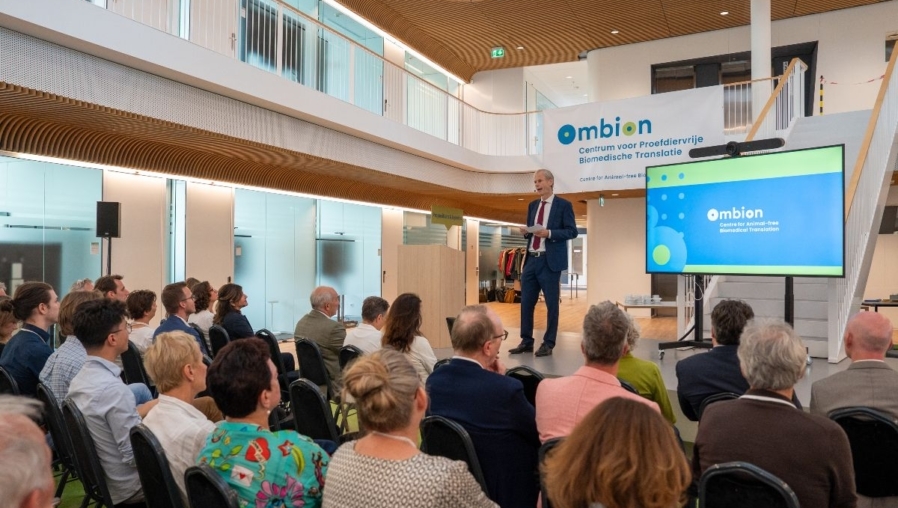
On July 7, 2025, the Ombion Centre for Animal-free Biomedical Translation was officially launched and opened its location at Utrecht Science Park. The centre promotes the transition to animal-free medical innovations and collaborates with over 60 partners on research, education, and practical implementation.
On 7 July 2025, the Centre for Animal-free Biomedical Translation, supported by the Dutch National Growth Fund, was officially launched under its new name: Ombion Centre for Animal-free Biomedical Translation.
The launch of Ombion took place during a festive event in presence of many guests at the Life Sciences Incubator building at Utrecht Science Park. It also marked the opening of Ombion’s on-site centre at the same location. The opening of the centre and the unveiling of the new name and logo was performed by Marten van den Berg, Director General Agriculture of the Ministry of Agriculture, Fisheries, Food Security and Nature, together with Daniela Salvatori, Ombion’s Scientific Director ad interim.
The Ministry of Agriculture, Fisheries, Food Security and Nature originally submitted the CPBT National Growth Fund proposal, which was granted last year. This has now resulted in the establishment of the centre. In his speech, Director General van den Berg underlined the ministry’s support for the Ombion Growth Fund initiative and its goals.
The afternoon program also included pitch-style presentations of Ombion’s main projects and activities, highlighting the various organisations collaborating within the public-private partnership and the involved disease models.
After the presentations, an information market featuring research materials and demonstrations of the projects that are part of the Ombion programme inspired attendees, followed by a lively networking session that concluded the event.
Start of operational phase
The launch is an important milestone for Ombion as it is also the starting point of its operational phase. Initially, the main focus of the centre will be on four transition projects, demonstrating the benefits of animal-free translation techniques in specific medical research fields: ALS, Cystic Fibrosis, Osteoarthritis & Rheumatoid Arthritis, and Asthma & COPD. The new centre will also offer education, training, advice, and support to enhance the acceptance and use of animal-free biomedical innovations. With all activities combined, Ombion will run an integrated programme that accelerates the transition to animal-free translation and strengthens the earning capacity of the Netherlands.
Daniela Salvatori commented: “Today marks a pivotal moment as we officially open the centre and launch our partnership, united by a shared mission to accelerate the transition to animal-free biomedical translation. The energy in the room was truly inspiring – a reflection of the passion and commitment driving this initiative forward. I am looking forward to see the community grow, and I hope that our private and public partnership will consolidate and be open to new projects and initiatives, both nationally and internationally.”
Partnership
Within Ombion, over 60 partners representing academia, research organisations, industry, regulatory organisations, government bodies, patient organisations, NGOs, and others are working together to pave the way for the transition to animal-free biomedical translation. Founding partners of Ombion are Utrecht University, HU University of Applied Sciences Utrecht, UMC Utrecht, UMCG, and Maastricht University.
About Ombion Centre for Animal-free Biomedical Translation
Ombion Centre for Animal-free Biomedical Translation is a national centre for valorising and disseminating animal-free innovations and expertise. It aims to improve and accelerate the transition of new biomedical innovations to patients and users, at lower costs, and without the use of animals. This will lead to safer, more effective, and better medicines while reducing animal testing. Together with a large number of national and international partners, Ombion will work on the development and dissemination of animal-free biomedical innovations and expertise.
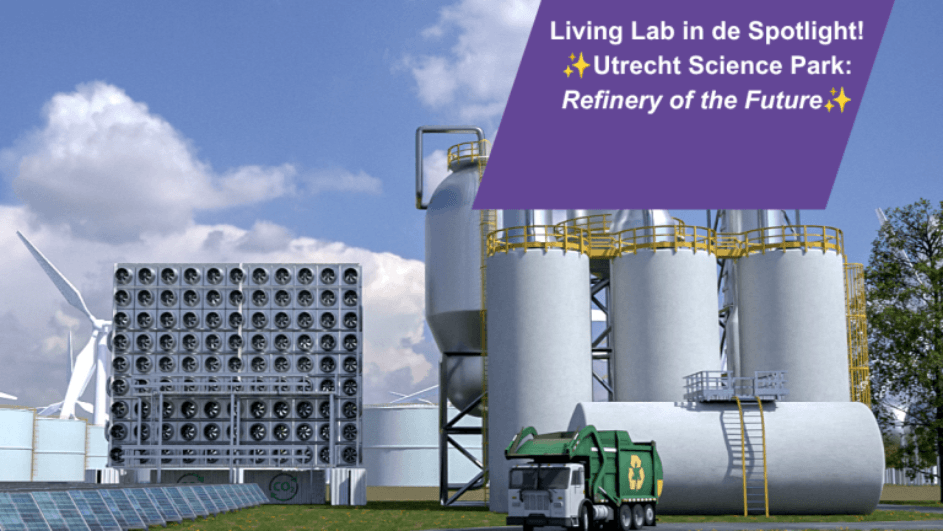
Living Lab in the Spotlight: Utrecht Science Park
Utrecht Science Park is home to several living labs focused on energy and circularity. These include Lumifield, which explores the generation and storage of solar energy, and the biogas digester, which uses organic waste as an energy source. On their own, these are already promising initiatives. Connected, they could become something much bigger: a functioning, learning model for a circular campus.
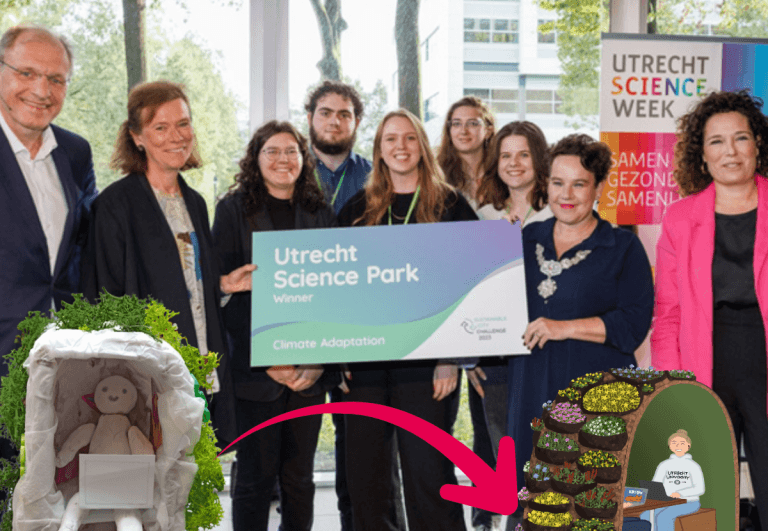
From student idea during challenge to ReGreen Hut at Dutch Design Week
On hot summer days, temperatures can rise significantly at Utrecht Science Park, while students are looking for places to study, relax and find some shade outdoors. At the same time, planting trees is not always straightforward: underground, the campus is crisscrossed by a dense network of cables and utility lines. So how can we create shade, greenery and places to relax without major changes to the ground?
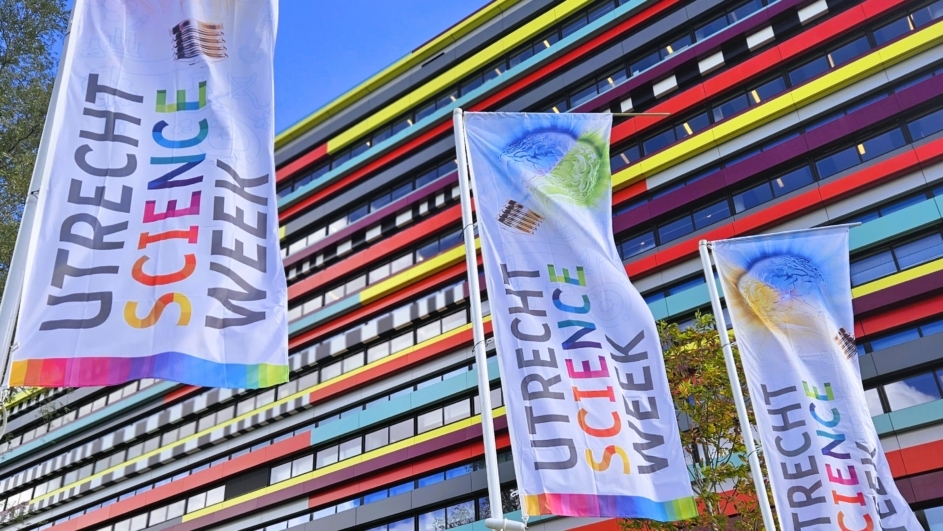
Utrecht Science Week kicks off: social and economic impact of Utrecht Science Park in the spotlight
The sixth edition of Utrecht Science Week takes place from Friday, 25 September to Sunday, 4 October. During this time, Utrecht Science Park opens its doors to the general public, showcasing how research, innovation, and collaboration lead to tangible societal and economic impact. At the same time, the week underscores the importance of sustained investment in knowledge and innovation.
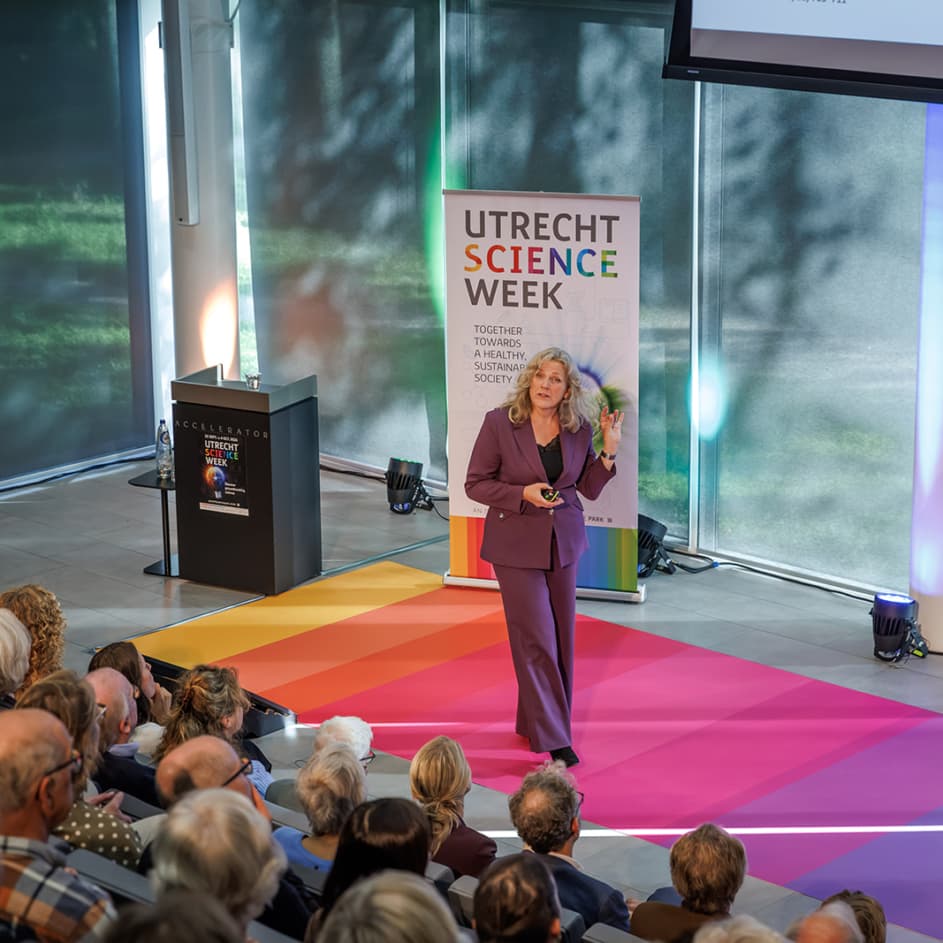
Looking back at Utrecht Science Week: research, education, and entrepreneurship in the spotlight
Utrecht Science Week 2026 has come to a close. For over a week, visitors enjoyed workshops, lectures, group discussions, and tours focused on science and innovation at Utrecht Science Park. With more than thirty program activities across over 25 locations, there were ample opportunities to experience science up close. We look back on a fantastic week that once again highlighted the essential role of collaboration, and the combination of research, education, and entrepreneurship, in addressing the societal challenges of our time.