Utrecht University first Dutch university to sign sustainability manifesto
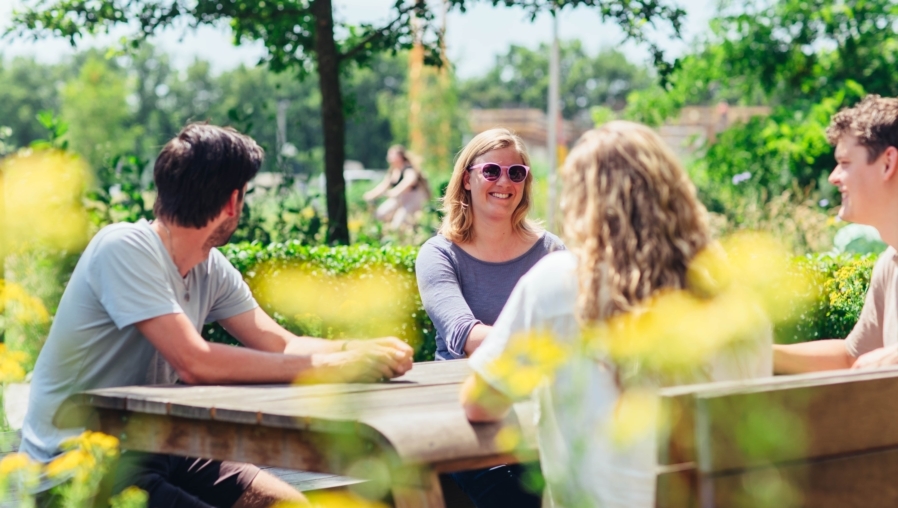
Utrecht University is the first Dutch university to sign the KNAW manifesto ‘Sustainable Thinking, Sustainable Doing’, reaffirming its commitment to make sustainability central to its mission.
Utrecht University (UU) was the first Dutch university to sign the KNAW manifesto Sustainable Thinking, Sustainable Doing. With this step, Utrecht University underlines its ambition to regard sustainability not as a side issue, but as the core of its mission — in both thought and action.
The manifesto is an initiative of The Young Academy and The Green Young Academy, calling on universities to embed sustainability structurally in education, research, governance and operations.By signing, Utrecht University expresses not only its academic, but also its planetary responsibility. The manifesto calls on knowledge institutions to show courage and to make deliberate choices for a future-proof society.
Agreements based on shared goals
“The strength of this manifesto lies mainly in the collective call,” says Rector Magnificus Wilco Hazeleger. “It is not a set of rules, since every university has different resources and approaches to become more sustainable. But it provides direction and offers a foundation to make agreements based on shared goals. This is something we, as UU, are eager to be a part of.” – Wilco Hazeleger.
Steps toward climate neutrality
The manifesto includes concrete action points, such as integrating sustainability into all curricula, promoting societally relevant research, and formulating a roadmap towards climate neutrality by 2050.
“Our goal for UU is to be CO2 neutral by 2030,” says Vice-President Margot van der Starre. “We’ve recently taken a huge step toward this by becoming the first university in the Netherlands to purchase and operate our own solar park. This is a great example of how, as a university, we continue to invest in sustainability and in the future.”
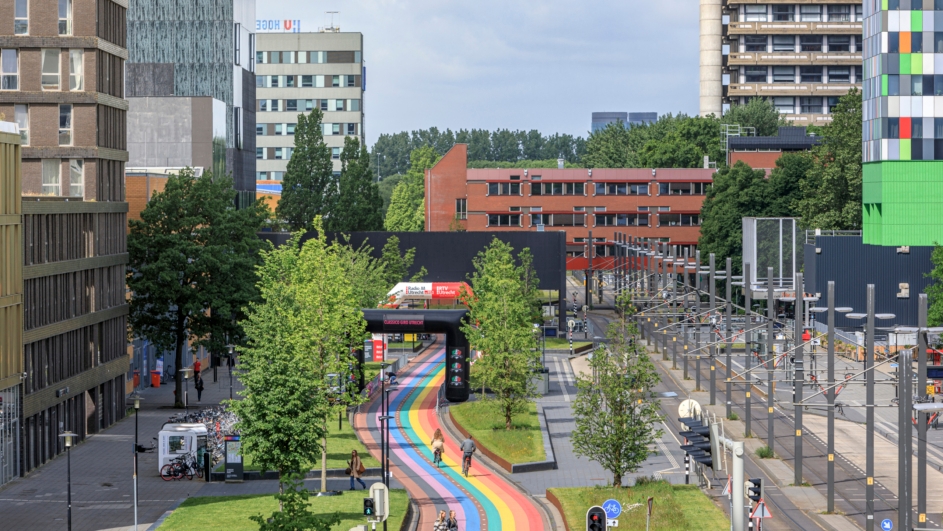
Utrecht University and UMC Utrecht awarded with twelve NWO Vidi-grants
The Dutch Research Council (NWO) has awarded Vidi grants to 109 researchers. Twelve leading researchers at Utrecht University and UMC Utrecht will each receive a Vidi grant of up to €850,000. NWO awards Vidi grants annually, enabling recipients to develop an innovative line of research over the next five years and further expand their research teams.
ReVoice restores one’s own voice after voice loss
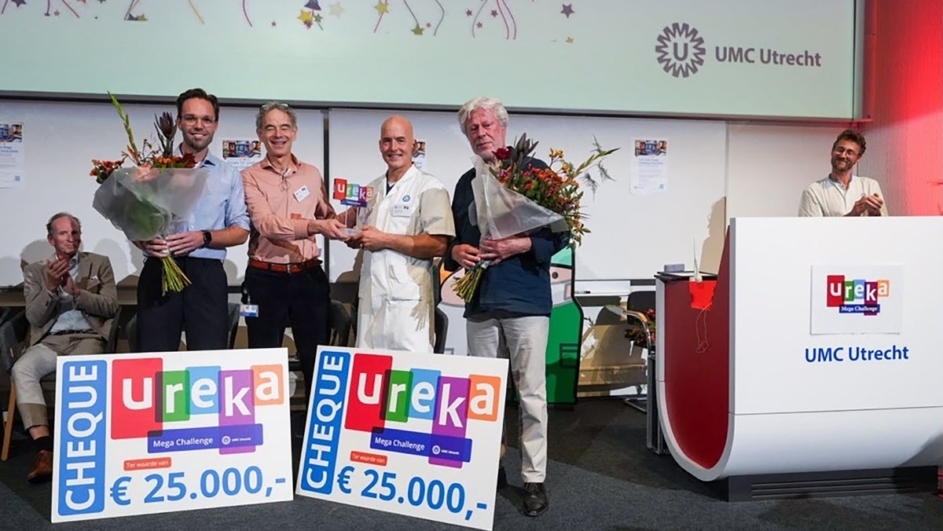
People who lose their voice, for example after surgery for head and neck cancer, want to be able to speak again with a voice that sounds like their own. ReVoice aims to provide this, with the help of AI. With this innovation, head and neck surgeon Weibel Braunius, innovation manager Mart Schoondermark, and patient Boudewijn Faber won the Ureka Mega Challenge 2026 from UMC Utrecht.
A voice for people who can no longer speak
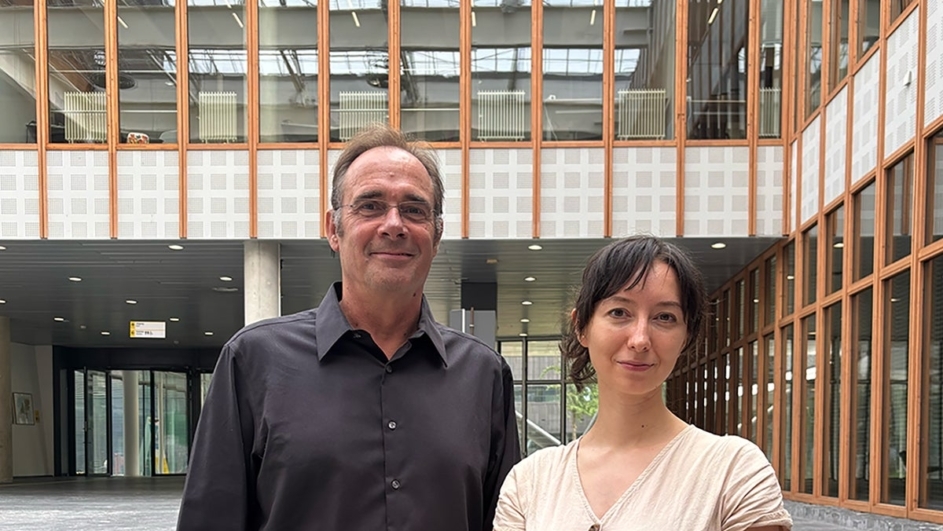
From a winning idea to their own company. In 2025, Julia Berezutskaya and Nick Ramsey won the UMC Utrecht Ureka Mega Challenge with their innovation, Alphabet. Through this challenge, UMC Utrecht supports healthcare professionals and researchers in further developing promising ideas and bringing them into practice. A year later, Julia shares how their innovation has developed and what steps are still to come.
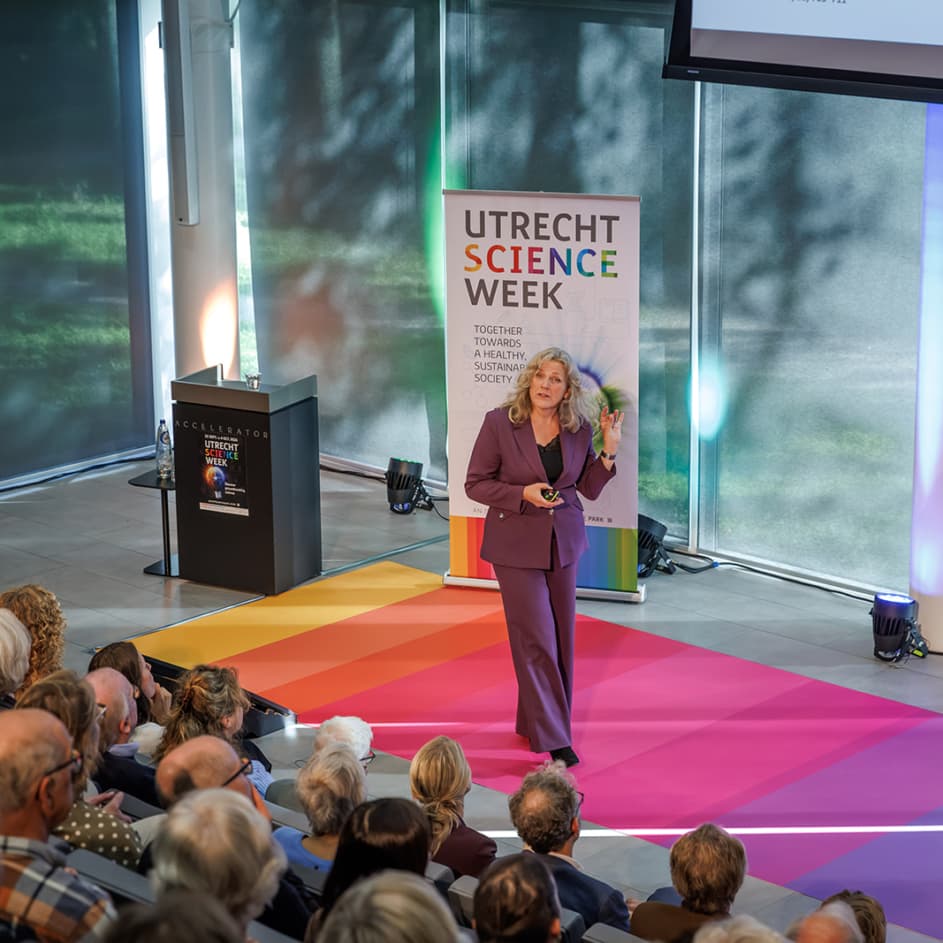
Looking back at Utrecht Science Week: research, education, and entrepreneurship in the spotlight
Utrecht Science Week 2026 has come to a close. For over a week, visitors enjoyed workshops, lectures, group discussions, and tours focused on science and innovation at Utrecht Science Park. With more than thirty program activities across over 25 locations, there were ample opportunities to experience science up close. We look back on a fantastic week that once again highlighted the essential role of collaboration, and the combination of research, education, and entrepreneurship, in addressing the societal challenges of our time.