Utrecht University: Effects of fireworks resonate long-term on pets
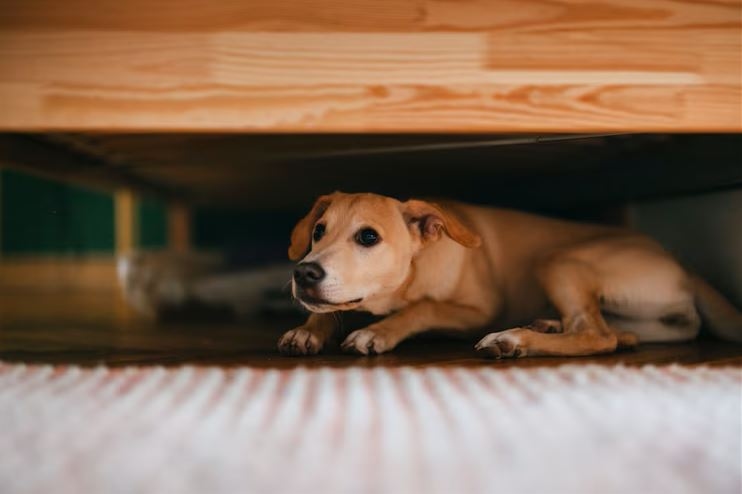
Last autumn, more than 3,500 animal owners participated in the fireworks survey conducted by Utrecht University’s Faculty of Veterinary Medicine. This month, the results of that survey will be published in the scientific journal Veterinary and Animal Science. One of the outcomes of the survey is that two-thirds of participating cat and dog owners indicated that they were already struggling with fireworks in their environment from September onwards and thus fireworks problems for their animal.
‘While it is likely that mostly people with animals who are bothered by fireworks participate in research, the reporting is striking of the length of time their animals experience the effects of fireworks,’ indicates researcher Van Herwijnen. Cats and dogs in the study seem to experience stress or anxiety to a similar extent while hearing fireworks. This applies to more than three quarters of the animals. But even up to half an hour after a fireworks display, the effects shake through: more than half of the animals are still bothered at that time. It is therefore not surprising that a third of cats and more than half of dogs do not want to go outside during a fireworks period. ‘Especially for dog owners, this is especially annoying. They not only see the suffering of their animal. There are also physical consequences. After all, dogs need to go outside to relieve themselves. At the Behavioural Clinic for Animals, we have a case study of a dog where vet treatment was needed because it held its urine for a very long time,’ says Claudia Vinke of this Behavioural Clinic, also involved in the study.
Lower quality of life due to fireworks
Although addressing fireworks problems in animals is important, animal owners in the study report that treatment has little long-term outcome. Dog owners are more likely to seek advice than cat owners. Half of dog owners report seeking help, versus a fifth of cat owners.
Owners do make an average of six (cats) to nine (dogs) different adjustments to help their animals, such as supporting the animal, giving it nutritional supplements and/or medication. The fact that this approach does not seem to help all animals enough in the long run is worrying because the burden of suffering during fireworks is great for the animal. The animal owners themselves also experience a lower quality of life due to fireworks.
Step-by-step habituation
The researchers point out that precisely choices made early in an animal’s life can help make animals resilient to fireworks fear and stress. Less noise-sensitive parent animals and a well-used socialisation period with careful step-by-step habituation to noise seems extremely important in a society where many animals are confronted with fireworks noise for longer periods of time.
Pet behaviour mapping across the Netherlands
In registration and information system PetScan, vets can now also enter and look up diagnoses of special pet behaviour. So this can also be done for anxious behaviour. The scientific community has a great need for information on behaviour. The information entered by vets enables research into desirable and undesirable behavioural characteristics of dogs. Through this and other avenues, scientists work towards healthy and socially bred animals.
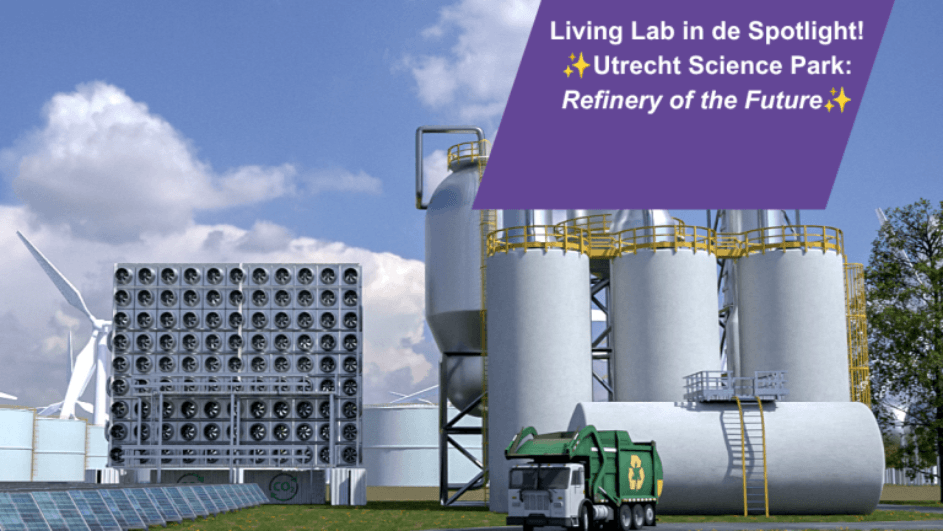
Living Lab in the Spotlight: Utrecht Science Park
Utrecht Science Park is home to several living labs focused on energy and circularity. These include Lumifield, which explores the generation and storage of solar energy, and the biogas digester, which uses organic waste as an energy source. On their own, these are already promising initiatives. Connected, they could become something much bigger: a functioning, learning model for a circular campus.
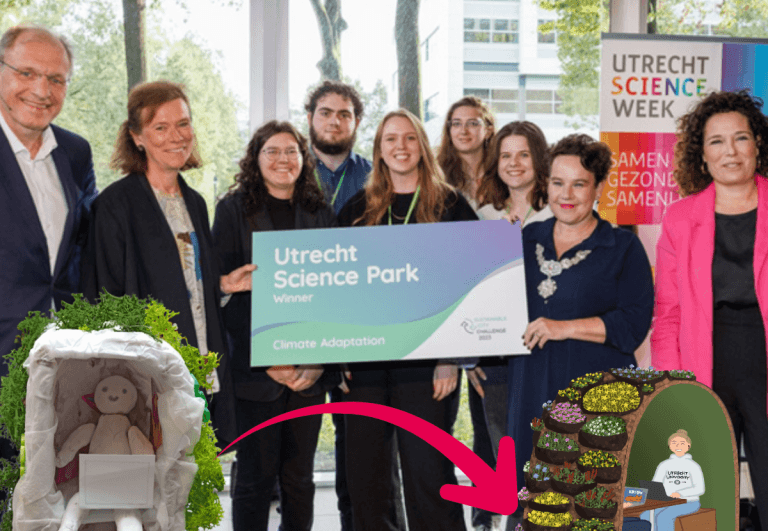
From student idea during challenge to ReGreen Hut at Dutch Design Week
On hot summer days, temperatures can rise significantly at Utrecht Science Park, while students are looking for places to study, relax and find some shade outdoors. At the same time, planting trees is not always straightforward: underground, the campus is crisscrossed by a dense network of cables and utility lines. So how can we create shade, greenery and places to relax without major changes to the ground?
Utrecht Science Week kicks off: social and economic impact of Utrecht Science Park in the spotlight
The sixth edition of Utrecht Science Week takes place from Friday, 25 September to Sunday, 4 October. During this time, Utrecht Science Park opens its doors to the general public, showcasing how research, innovation, and collaboration lead to tangible societal and economic impact. At the same time, the week underscores the importance of sustained investment in knowledge and innovation.
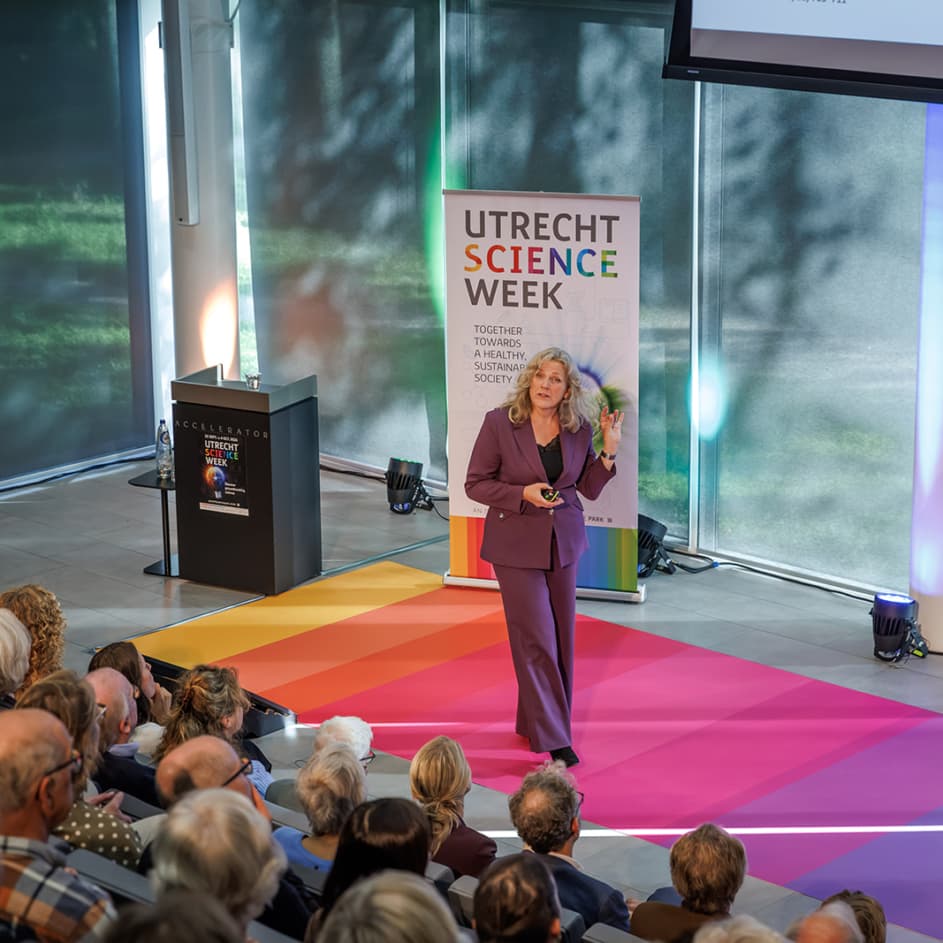
Looking back at Utrecht Science Week: research, education, and entrepreneurship in the spotlight
Utrecht Science Week 2026 has come to a close. For over a week, visitors enjoyed workshops, lectures, group discussions, and tours focused on science and innovation at Utrecht Science Park. With more than thirty program activities across over 25 locations, there were ample opportunities to experience science up close. We look back on a fantastic week that once again highlighted the essential role of collaboration, and the combination of research, education, and entrepreneurship, in addressing the societal challenges of our time.