Seven new studies launched at the Princess Máxima Center thanks to KiKa funding
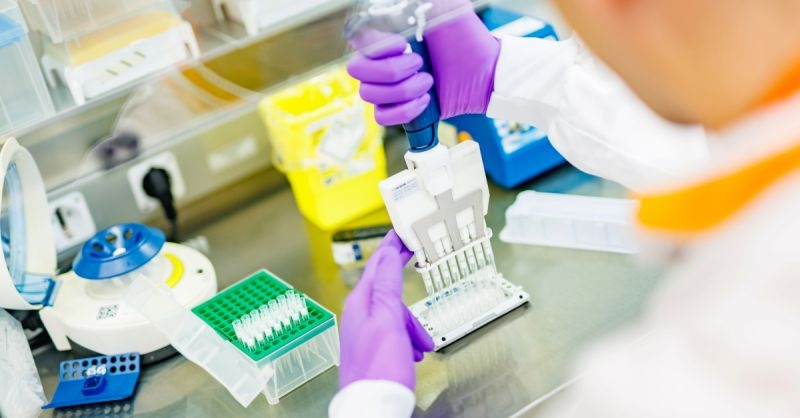
Seven new research projects are launching at the Princess Máxima Center thanks to KiKa, focusing on better treatments and faster diagnostics for childhood cancer.
The Princess Máxima Center launches seven new research projects thanks to KiKa funding
The Princess Máxima Center is launching seven research projects made possible by KiKa funding. The studies aim to improve immunotherapy for children with brain tumors, optimize CAR T-cell therapy, and accelerate diagnosis for children with solid tumors. Each of these projects contributes to achieving the Máxima’s mission: curing every child with cancer, with optimal quality of life.
Scientific research is crucial to fulfilling the Máxima’s mission. Laurens van der Flier, managing director of research: “It’s fantastic that seven new research projects can start at the Máxima. KiKa, together with its donors, makes new research into childhood cancer possible. We are extremely grateful for their support.”
Immunotherapy
Immunotherapy is currently not effective in treating most high-grade brain tumors. Immune-suppressing cells, such as microglia and macrophages in the tumor environment, play a significant role. By mapping the specific role of these immune cells and selectively disabling or activating them, pediatric oncologist Dr. Jasper van der Lugt, together with research group leaders Dr. Stefan Nierkens, Prof. Dr. Henk Stunnenberg, and Prof. Dr. Marcel Kool, aims to make immunotherapy more effective.
Currently, CAR T-cell therapy — a form of immunotherapy — is available for children with B-cell acute lymphoblastic leukemia (ALL) for whom other treatments no longer work. To maintain remission, it’s important that the CAR T-cells remain in the bloodstream for a longer period. Previous research showed that exposure to the drug fludarabine before treatment plays a role in this. Pediatric oncologist Dr. Friso Calkoen and stem cell transplant physician Dr. Caroline Lindemans are launching a clinical trial in collaboration with the Memorial Sloan Kettering Cancer Center to investigate whether increasing the fludarabine dose improves disease-free survival.
Solid Tumors
What is the effect of chemotherapy dose adjustments and delays during treatment of Ewing sarcoma? Prof. Dr. Marta Fiocco, statistician (also at the Mathematical Institute of Leiden University), and pediatric oncologist Prof. Dr. Hans Merks will analyze data from the international Euro Ewing 2012 study to answer this question. They will then develop a predictive model that takes the unique circumstances of each child into account. This model helps optimize current treatment guidelines, supports informed treatment decisions, improves care, and may help reduce anxiety in children and parents.
DNA analysis is used to determine the correct diagnosis — a crucial step in choosing the most suitable treatment. Currently, molecular analysis takes one to two weeks. Dr. Lennart Kester, associate group leader at the Laboratory for Pediatric Oncology, wants to develop a new technique to reduce this to less than 24 hours. This would allow for faster treatment and shorter periods of uncertainty for children and their families. Kester is working with colleagues Dr. Bastiaan Tops and Prof. Dr. Jeroen de Ridder (UMC Utrecht and Oncode Institute). They previously collaborated on rapid DNA analysis of brain tumors using artificial intelligence (AI).
The other research projects launching:
-
Research into new treatments for acute myeloid leukemia (AML):
Prof. Dr. Olaf Heidenreich, research group leader, and Prof. Dr. Josef Vormoor, pediatric oncologist and clinical co-group leader in the Heidenreich group -
Research into better prediction and treatment of Wilms tumor in children:
Prof. Dr. Marry van den Heuvel-Eibrink, pediatric oncologist and group leader; Dr. Harm van Tinteren, head of the Trial and Data Center; and Dr. Patrick Kemmeren, research group leader -
Research into aggressive brain tumors in children:
Prof. Dr. Marcel Kool, group leader, and Jens Bunt, postdoctoral researcher
KiKa is an important partner of the Princess Máxima Center. Through core funding, KiKa supports childhood cancer research at the Máxima and has already made numerous research projects possible.
Source: Prinses Máxima Centrum
Talkshow ‘The New Utrecht Doctor’: What Will the Doctor of the Future Look Like?
What will the doctor of the future look like? Changing insights into healthcare, technological developments such as AI, and evolving patient expectations call for a renewed approach to medical education. That is why UMC Utrecht is updating its medical curriculum under the name The New Utrecht Doctor
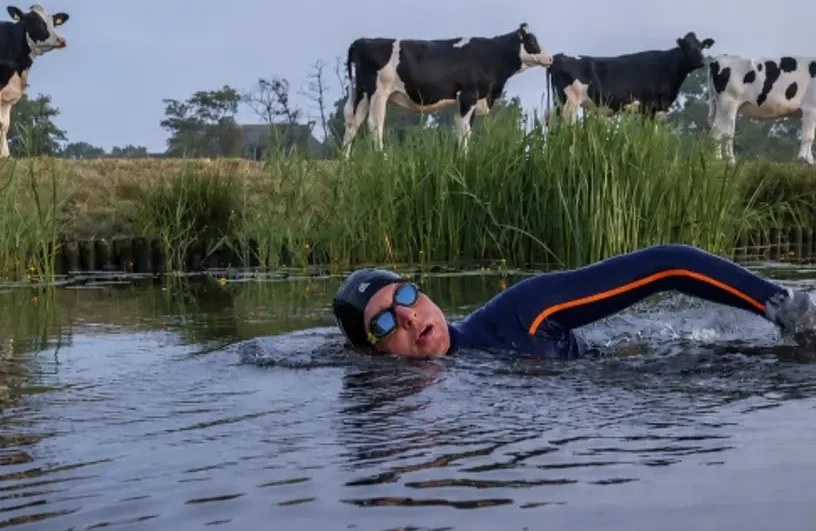
Olympic champion Maarten van der Weijden swims one last time, now for the Máxima
Maarten van der Weijden is putting on his swimming suit one last time to raise money for cancer research. From 17 to 22 August, he will swim an incredible 270 kilometers through 22 cities, with the Princess Máxima Center as his final destination. With this special challenge, he is raising money for pioneering research into the immediate and long-term effects of childhood cancer.
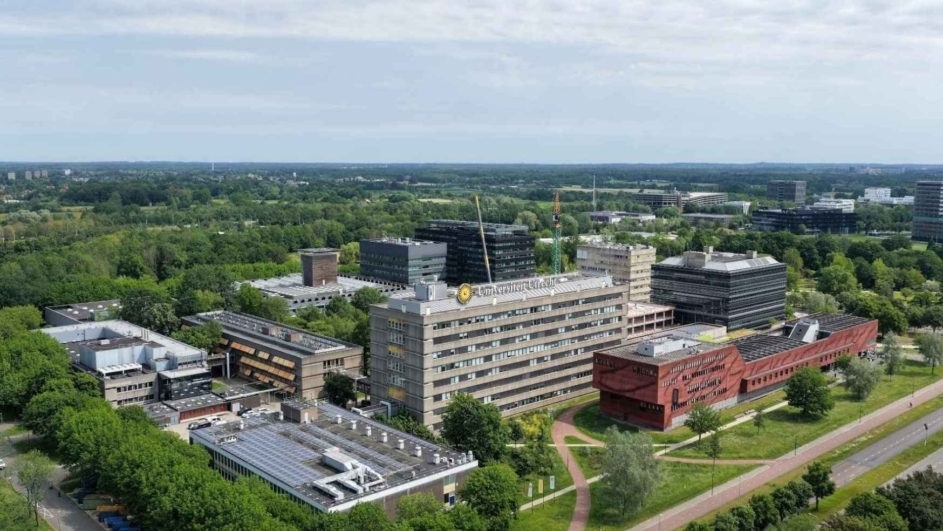
New exit for construction traffic at the Utrecht Science Park
Various construction works are taking place in the north-west cluster of Utrecht Science Park. This is the area where the Minnaert Building and the Buys Ballot Building, amongst others, are located. To ensure that construction traffic flows more safely and efficiently through the area, a new exit is being constructed from Sorbonnelaan to Leuvenlaan.
Opening Utrecht Science Week with keynote by Juliette Legler on the hidden influence of environmental chemicals
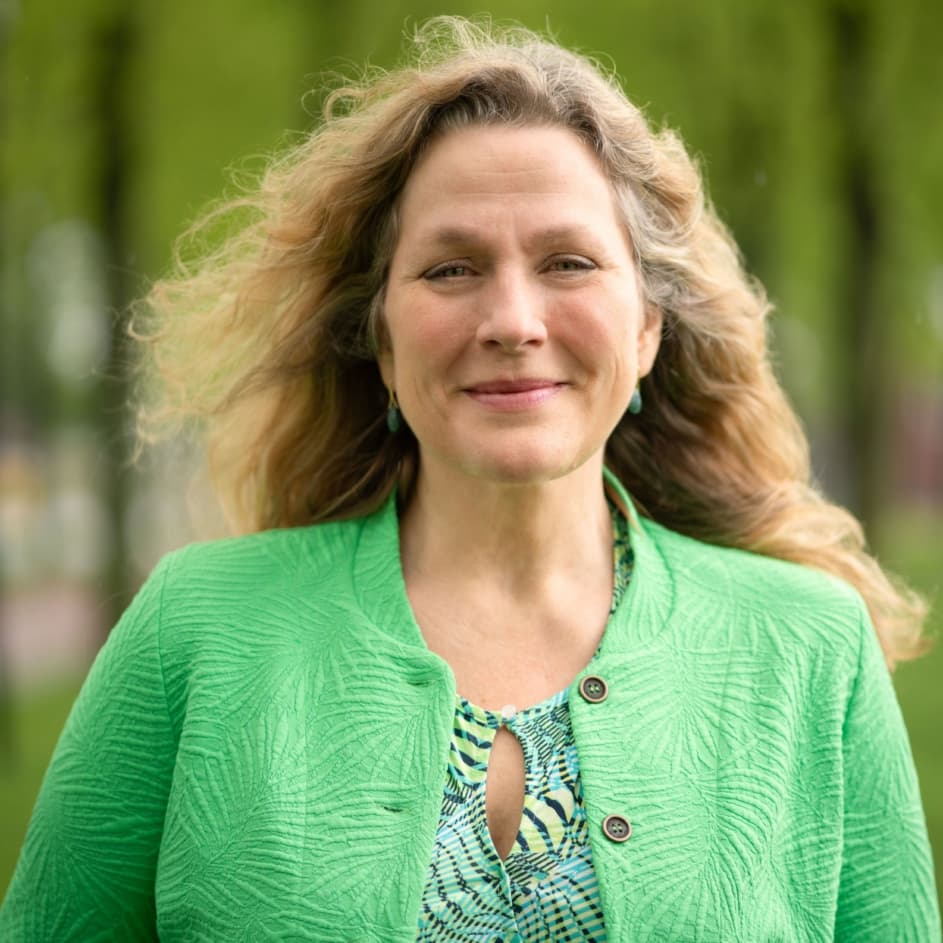
On Friday, September 25, the annual science festival ‘Utrecht Science Week’ kicks off once again at Utrecht Science Park. We are pleased to announce that this year, Prof. Dr. Ir. Juliette Legler will deliver the Utrecht Science Lecture. Juliette Legler is Professor of Toxicology at the Faculty of Veterinary Medicine at Utrecht University and leads the ‘One Health Toxicology’ group at the Institute for Risk Assessment Sciences (IRAS).