Research UMC Utrecht on rare lung diseases with biotechnology and AI

Health-Holland has awarded a three-million-euro grant to Kors van der Ent, professor of paediatric lung diseases (UMC Utrecht) for the PRO-Long research. Kors and his team are investigating how to use biotechnology to develop innovative therapies. They focus on patients with rare lung diseases, such as cystic fibrosis and Primary Ciliary Dyskinesia.
In the Netherlands, more than 1.2 million people have chronic lung disease. Hereditary factors play a role in almost all lung diseases, and some lung diseases (such as Cystic Fibrosis and Primary Ciliary Dyskinesia) are even completely determined by genetic defects. People with these conditions are often ill and often hospitalised. The associated annual healthcare costs amount to about EUR 4 billion. Moreover, these people often die at a younger age.
The aim of this PRO-Long research is to develop mRNA and gene therapy in human stem cells, using biotechnology and artificial intelligence. This will allow people with lung diseases to be treated faster and more effectively. UMC Utrecht is not conducting this research alone, but together with Amsterdam UMC, two health funds and Lung Alliance Netherlands.
Kors van der Ent: ‘In the laboratory, we test new drugs directly on the cells of patients with rare hereditary lung diseases. We accelerate that process and make it better and better. But we also make sure, together with patient organisations, that patients are well informed as soon as a drug is very promising. In this way, we make the road from laboratory to the consulting room much shorter.’
With this programme, UMC Utrecht also encourages scientists and companies to keep the Netherlands at the forefront of these developments and make the Netherlands a magnet for new knowledge and economic activity.
About Health-Holland
Health-Holland promotes scientific discoveries and technological innovations that contribute to healthcare and life sciences (e.g. food production). Health-Holland also stimulates scientific discoveries and technological innovations that contribute to sustainable and structural economic growth.
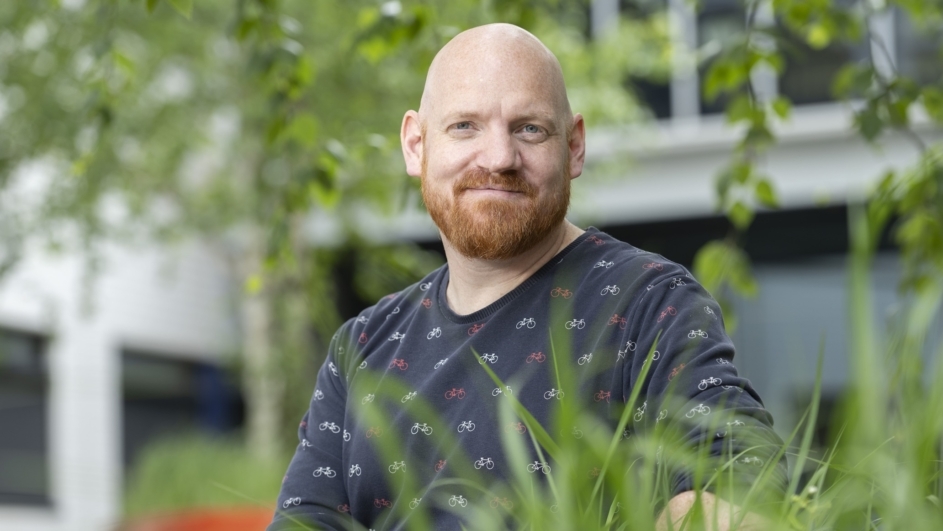
Interview: Thomas Hoogeboom on the future of Mobility & Health
Healthcare in the Netherlands is at a turning point. The new Societal Impact Platform Mobility & Health aims to connect knowledge and expertise across research disciplines, organizations and societal partners. We spoke to Thomas Hoogeboom, Professor of Physiotherapy Sciences and initiator of the platform, about the importance of mobility for health, the value of collaboration and what to expect from the kick-off during Utrecht Science Week.

How UtrechtInc. helps startups grow
From a promising idea to a startup: getting there takes more than a good idea. UtrechtInc is a startup incubator that supports students, researchers and entrepreneurs in the Utrecht region during the early stages of their startup. Through validation programmes, personal guidance and a network of experts and investors, UtrechtInc helps founders develop and test their ideas.

The new sports season at Olympos has kicked off again
The holidays are over, and the sports season has kicked off again! With packed schedules and tight deadlines, it is tempting to just keep working. Before you know it, you’ve spent hours in front of your screen or in the lab without taking a real break. Especially when things are busy, physical activity can help you unwind and gain new energy and inspiration.
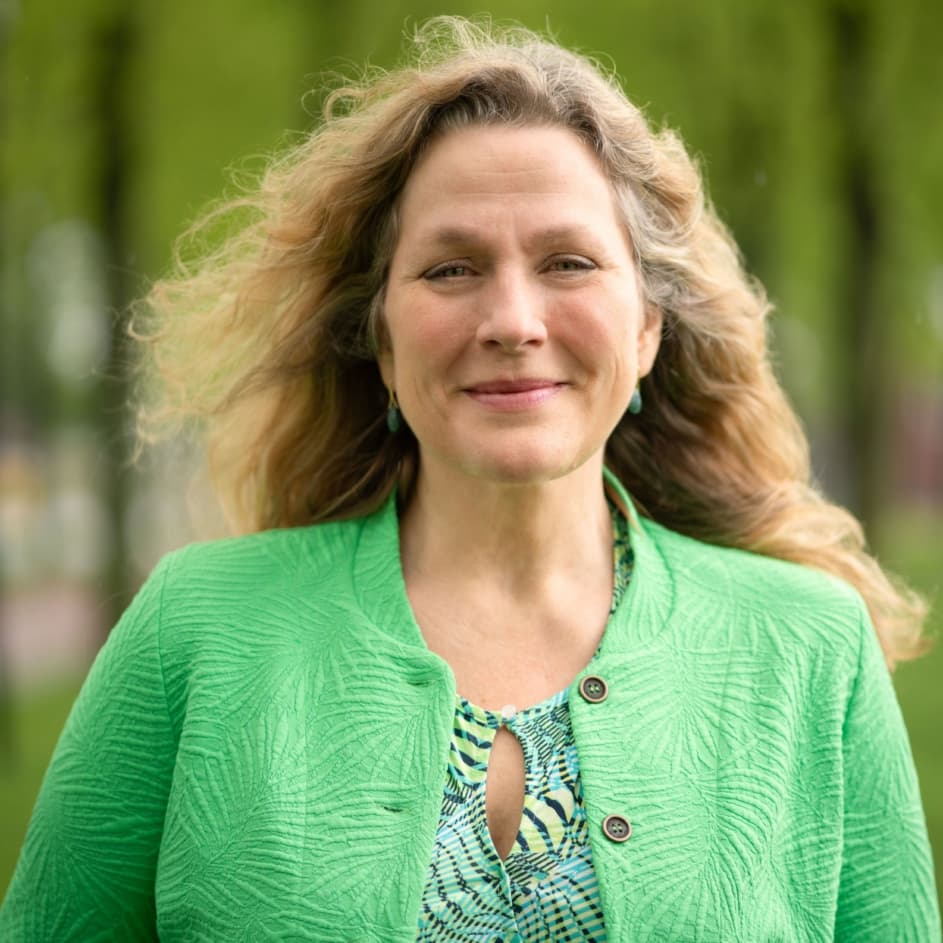
Opening Utrecht Science Week with keynote by Juliette Legler on the hidden influence of environmental chemicals
On Friday, September 25, the annual science festival ‘Utrecht Science Week’ kicks off once again at Utrecht Science Park. We are pleased to announce that this year, Prof. Dr. Ir. Juliette Legler will deliver the Utrecht Science Lecture. Juliette Legler is Professor of Toxicology at the Faculty of Veterinary Medicine at Utrecht University and leads the ‘One Health Toxicology’ group at the Institute for Risk Assessment Sciences (IRAS).