MedTech sector launches national growth plan: technology must support Dutch healthcare and structurally strengthen economic growth
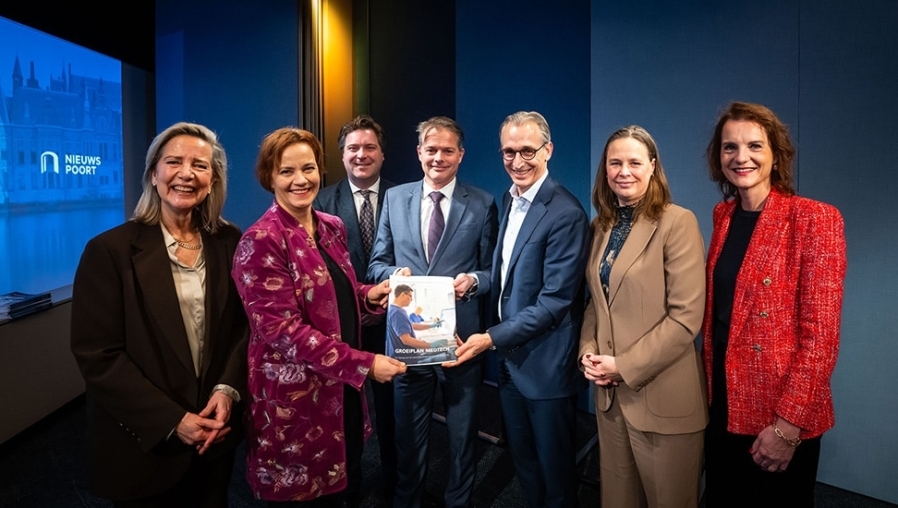
The Dutch MedTech sector is presenting an ambitious growth plan today that aims to elevate the Netherlands to the European top by 2035. UMC Utrecht contributed to this plan, and it was co-presented by Carina Hilders (Chair of the UMC Utrecht Executive Board).
The plan, presented to State Secretary Judith Tielen (VWS) and Tjerk Opmeer (EZ), demonstrates how technology can structurally strengthen healthcare and the economy. With “MedTech Growth Plan – Accelerate the Netherlands to the Top in the Medical Technology Sector,” the sector contributed to the Wennink report, which was presented last week for a future-proof and innovative Netherlands. Read and download the full report here.
If the preconditions of the MedTech Growth Plan are met, the sector can make a significant social and economic impact in the next ten years by:
- Creating approximately 11,000 new jobs in high-tech, R&D, and production
- Creating approximately €5 billion in additional export value per year
- Creating approximately 75 new start-ups and scale-ups
- And most importantly: a healthcare system that can meet future healthcare demand
“Investing in medical technology simultaneously affects two strategic interests of the Netherlands: firstly, a future-proof healthcare system and, secondly, a resilient, innovative economy. By making the right choices, creating the right conditions, and implementing stable policies, we can become one of the strongest MedTech ecosystems in Europe and the world. If we miss this opportunity, we will lose a unique opportunity to enable better care for more people in the Netherlands and the rest of the world and to further develop our economy. The MedTech Growth Plan demonstrates the shared ambition of the MedTech sector and was developed with contributions from across the sector, from academic and top clinical hospitals to universities and “Knowledge institutions, government, and the private sector,” says Roy Jakobs, CEO of Royal Philips and figurehead of the MedTech sector, in the context of the Wennink report.
Increasing number and complex patient population due to double aging
The sector emphasizes that healthcare cannot continue to provide accessible and affordable care to patients without technological innovation. The increase in the number and complex patient population due to double aging (of both patients and healthcare providers) requires fast, accurate diagnosis and treatment, as well as the appropriate deployment of healthcare professionals.
MedTech offers solutions that both relieve the burden on healthcare professionals and achieve health benefits for patients. Research shows that healthcare cost reductions of up to €22 billion are possible through the use of AI, digitalization, and labor-saving technology. Technology is therefore a crucial link for a resilient, future-proof healthcare system and also serves as a strategic driver for the economy.
Strategic significance for the economy and healthcare system
The Dutch MedTech sector is internationally competitive, and the industry is one of the drivers of innovation within the European economy, with approximately 15,700 patents issued annually. Every year, the sector creates high-quality employment, export value, and technological breakthroughs that directly contribute to the quality of the healthcare system.
The sector’s foundation is strong, but acceleration is essential. The Netherlands has an excellent starting position with strong academic hospitals, leading universities, high-tech companies, and a mature innovation chain. However, without improvements in data access, AI and interoperability infrastructure, clinical trial capacity, and clarification of EU regulations, the Netherlands will miss out on strategic opportunities.
Further development of the innovation ecosystem is also needed, from talent development to venture financing and from harmonized data governance to expanding production capacity. These preconditions will determine whether the Netherlands can grow or lose ground to rapidly growing MedTech hubs in Europe, the United States, and Asia.
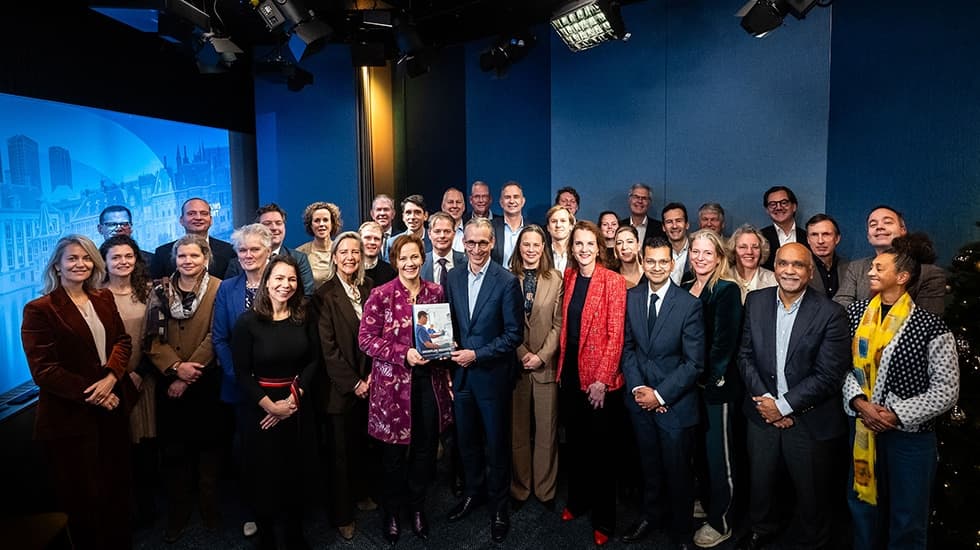
Partners
“Technological innovation isn’t a luxury, but a sheer necessity. Only with smart, scalable solutions can we keep healthcare accessible, affordable, and high-quality. As the director of a large university medical center (UMC), I see every day how urgent it is to connect technology, data, and medical expertise with clinical practice. This accelerates innovation where it matters most: with the patient. But it’s about more than just healthcare. If the Netherlands strengthens this ecosystem properly now, we will not only take a step towards better healthcare, but we will also increase our strategic strength as a competitive MedTech nation within Europe,” says Stefan Sleijfer, chair and dean of the Executive Board of Erasmus MC.
According to Carina Hilders, chair of the Executive Board of UMC Utrecht, the patient is central to the use of medical technology: “Good care must remain accessible to patients in the future. This requires medical technology that supports healthcare professionals and makes care more precise and better, especially at a time when the demand for healthcare is growing while the number of healthcare providers is not keeping pace. MedTech is therefore essential for the resilience of our healthcare system and society.” That’s why it’s so important that these innovations are developed close to clinical practice. As an academic hospital, we work with public and private partners to bring new healthcare technologies to patient applications as quickly as possible.
“Peter Wennink emphasizes in his report the essential preconditions for future prosperity. Innovation in healthcare is undeniably part of this – only then can we maintain our world-class healthcare. The Netherlands has the brains and the makers: from smart technology to implementation power. Make the healthcare sector a launch customer, and – the Ministries of Health and Sport and Economic Affairs – develop a joint innovation agenda. Don’t view innovation in healthcare as a cost item, but as an investment that improves care, capitalizes on knowledge, and strengthens our economy,” says Marjoleine van der Zwan, managing director of TNO.
“Innovation often comes from startups and scaleups. In the field of MedTech, the chain from idea to startup to scaleup is inadequate, resulting in too little innovation reaching the market. “Through more intensive collaboration between knowledge institutions, venture builders, entrepreneurs, companies, hospitals, and investors, we can significantly improve the healthcare system and make the Netherlands an innovative leader in Medical Technology,” says John Bell, CEO of HighTech XL.
“The central idea of the plan is that Dutch healthcare needs to undergo a transformation to remain future-proof, and that technology must provide important support for both healthcare professionals and patients. Systems thinking is crucial to make healthcare more people-focused and efficient, and to scale innovations more quickly and effectively towards market introduction and application in daily practice. Only in this way can we, as a society, reduce our healthcare costs, increase our labor participation, and transfer more control to the patient,” says Prof. Dr. Ir. Maaike Kleinsmann, Program Chair Campus Rotterdam, and Medical Delta Professor in Design for Digital Transformation, TU Delft.”
Strong medical technology means better care for people and strengthens the Netherlands’ earning capacity. This Investment Plan demonstrates the preconditions needed to scale up innovations. “This is only possible if we involve the entire ecosystem, from SMEs and startups to healthcare institutions and government, and if we now accelerate implementation,” says Theo Henrar, chairman of FME.
Utrecht Science Park
UMC Utrecht has actively contributed to this growth plan and endorses the broader health agenda outlined in the Wennink report, which identifies life sciences and biotechnology as strategic domains for the Netherlands. Located at Utrecht Science Park, UMC Utrecht is part of a leading Life Sciences and Health ecosystem, with collaborations between public and private partners. At Utrecht Science Park, healthcare, research, data, talent, and education converge. This unique combination, combined with the power we possess as the largest science park in the Netherlands, with 31,000 employees and 55,000 students, enables us to bring innovations in MedTech and Biotech to patients faster. This creates both an economic and social impact.
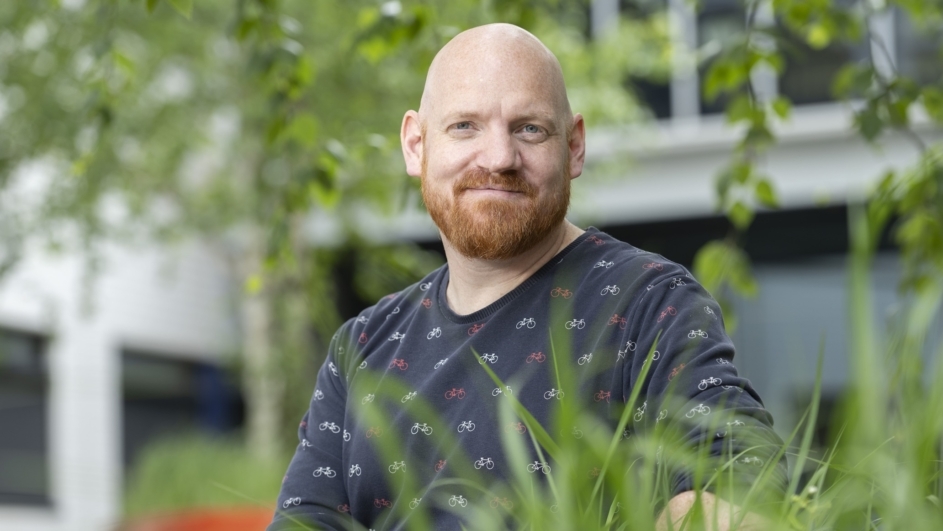
Interview: Thomas Hoogeboom on the future of Mobility & Health
Healthcare in the Netherlands is at a turning point. The new Societal Impact Platform Mobility & Health aims to connect knowledge and expertise across research disciplines, organizations and societal partners. We spoke to Thomas Hoogeboom, Professor of Physiotherapy Sciences and initiator of the platform, about the importance of mobility for health, the value of collaboration and what to expect from the kick-off during Utrecht Science Week.

How UtrechtInc. helps startups grow
From a promising idea to a startup: getting there takes more than a good idea. UtrechtInc is a startup incubator that supports students, researchers and entrepreneurs in the Utrecht region during the early stages of their startup. Through validation programmes, personal guidance and a network of experts and investors, UtrechtInc helps founders develop and test their ideas.

The new sports season at Olympos has kicked off again
The holidays are over, and the sports season has kicked off again! With packed schedules and tight deadlines, it is tempting to just keep working. Before you know it, you’ve spent hours in front of your screen or in the lab without taking a real break. Especially when things are busy, physical activity can help you unwind and gain new energy and inspiration.
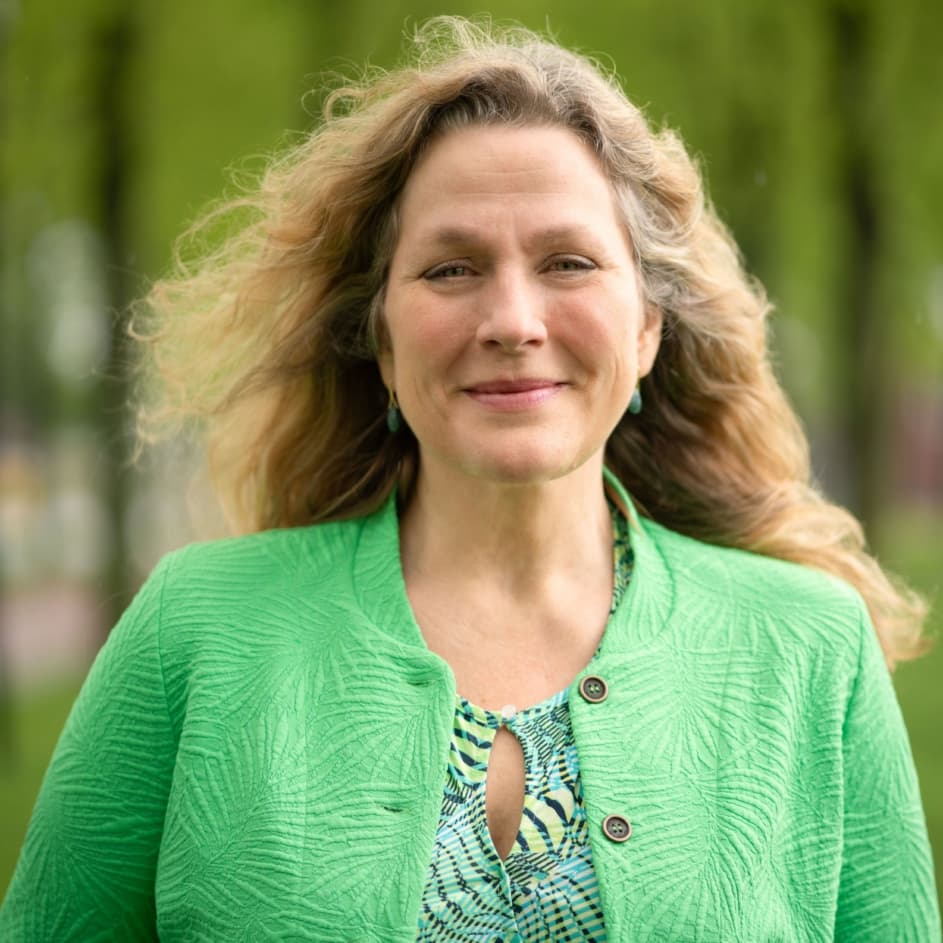
Opening Utrecht Science Week with keynote by Juliette Legler on the hidden influence of environmental chemicals
On Friday, September 25, the annual science festival ‘Utrecht Science Week’ kicks off once again at Utrecht Science Park. We are pleased to announce that this year, Prof. Dr. Ir. Juliette Legler will deliver the Utrecht Science Lecture. Juliette Legler is Professor of Toxicology at the Faculty of Veterinary Medicine at Utrecht University and leads the ‘One Health Toxicology’ group at the Institute for Risk Assessment Sciences (IRAS).