Hubrecht Institute research on DNA repair: a look inside the cell’s ‘repair café’
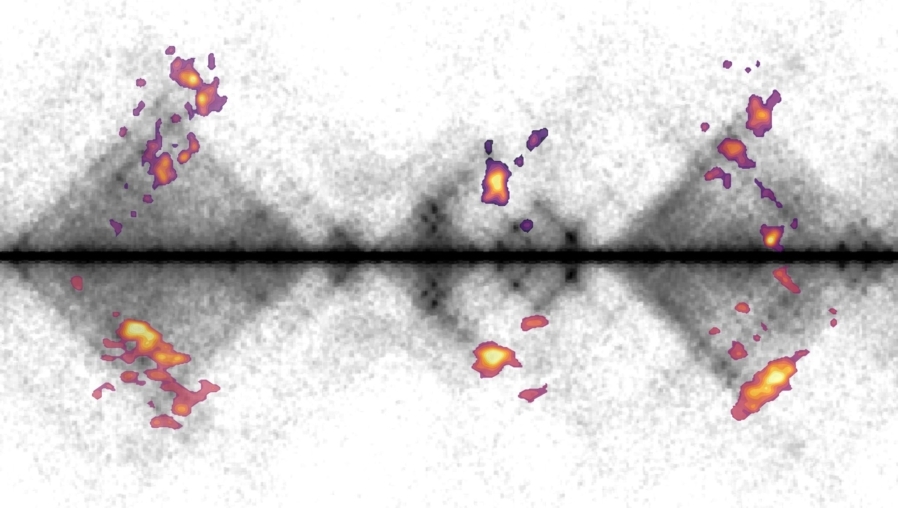
New research from the Kind Group of the Hubrecht Institute sheds light on how cells repair damaged DNA. For the first time, the team has mapped the activity of repair proteins in individual human cells. The study demonstrates how these proteins collaborate in so-called “hubs” to repair DNA damage. This knowledge offers opportunities to improve cancer therapies and other treatments where DNA repair is essential.
The researchers published their findings in Nature Communications on November 21.
DNA is the molecule that carries our genetic information. It can be damaged by normal cellular processes as well as external factors such as UV radiation and chemicals. Such damage can lead to breaks in the DNA strand. If DNA damage is not properly repaired, mutations can occur, which may result in diseases like cancer. Cells use repair systems to fix this damage, with specialized proteins locating and binding to the damaged regions.
Zooming in on individual cells
The body has various mechanisms to repair DNA, but the process can differ from cell to cell. This makes it important to study DNA repair in individual cells. “Finding breaks in DNA is an enormous challenge,” explains co-first author Kim de Luca. “We don’t know exactly where the damage occurs or why some areas are harder to repair. Our approach allowed us to answer these questions.”
Using advanced techniques, the researchers mapped where repair proteins attach to DNA. “Previous studies looked at an average picture of multiple cells,” De Luca explains. “By studying individual cells, we discovered unique and sometimes rare ways in which DNA damage is repaired.”
A ‘DNA repair café’
The findings also revealed that DNA can be repaired by cooperation between repair proteins. These proteins organize themselves into “hubs,” where multiple damaged DNA regions come together. These hubs are similar to “repair cafés,” where people gather to fix broken items. “Such a central place makes the process more efficient,” says De Luca. “A hub can involve as many as six different breaks that are being repaired in a coordinated way.”
Toward more effective treatments
The results of this study could contribute to better treatments for diseases involving DNA damage, such as cancer and genetic disorders. By understanding more about how cells repair DNA breaks, researchers can target specific DNA repair mechanisms. “With precise knowledge of DNA repair, we can design new treatments that are both more effective and less harmful,” explains De Luca.
Publication
Genome-wide profiling of DNA repair proteins in single cells. Kim L. de Luca*#, Pim M. J. Rullens*, Magdalena A. Karpinska, Sandra S. de Vries, Agnieszka Gacek-Matthews, Lőrinc S. Pongor, Gaëlle Legube, Joanna W. Jachowicz, A. Marieke Oudelaar, Jop Kind#
* Co-first authors
# Co-corresponding authors
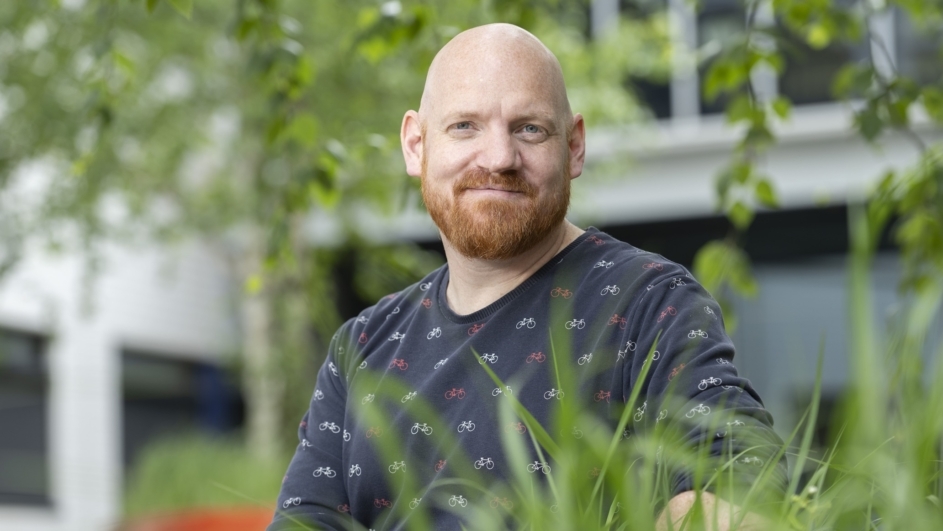
Interview: Thomas Hoogeboom on the future of Mobility & Health
Healthcare in the Netherlands is at a turning point. The new Societal Impact Platform Mobility & Health aims to connect knowledge and expertise across research disciplines, organizations and societal partners. We spoke to Thomas Hoogeboom, Professor of Physiotherapy Sciences and initiator of the platform, about the importance of mobility for health, the value of collaboration and what to expect from the kick-off during Utrecht Science Week.
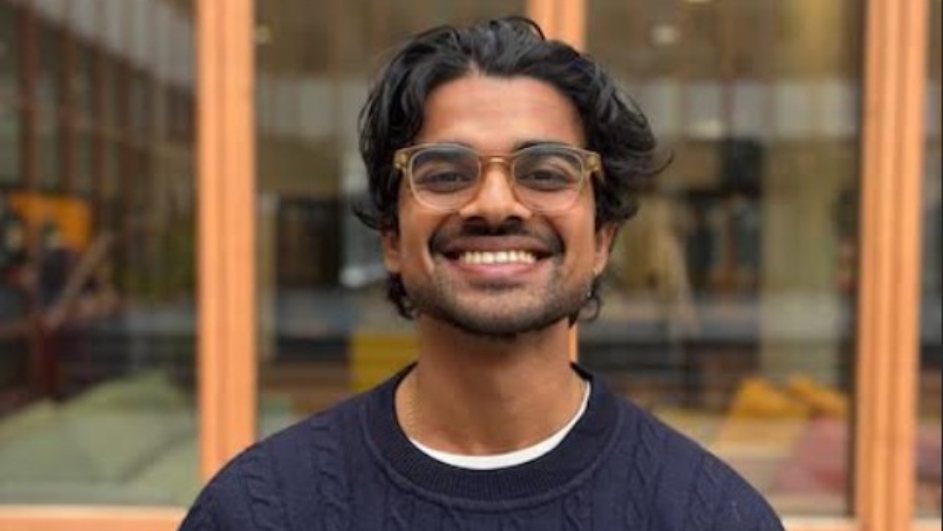
How UtrechtInc. helps startups grow
From a promising idea to a startup: getting there takes more than a good idea. UtrechtInc is a startup incubator that supports students, researchers and entrepreneurs in the Utrecht region during the early stages of their startup. Through validation programmes, personal guidance and a network of experts and investors, UtrechtInc helps founders develop and test their ideas.

The new sports season at Olympos has kicked off again
The holidays are over, and the sports season has kicked off again! With packed schedules and tight deadlines, it is tempting to just keep working. Before you know it, you’ve spent hours in front of your screen or in the lab without taking a real break. Especially when things are busy, physical activity can help you unwind and gain new energy and inspiration.
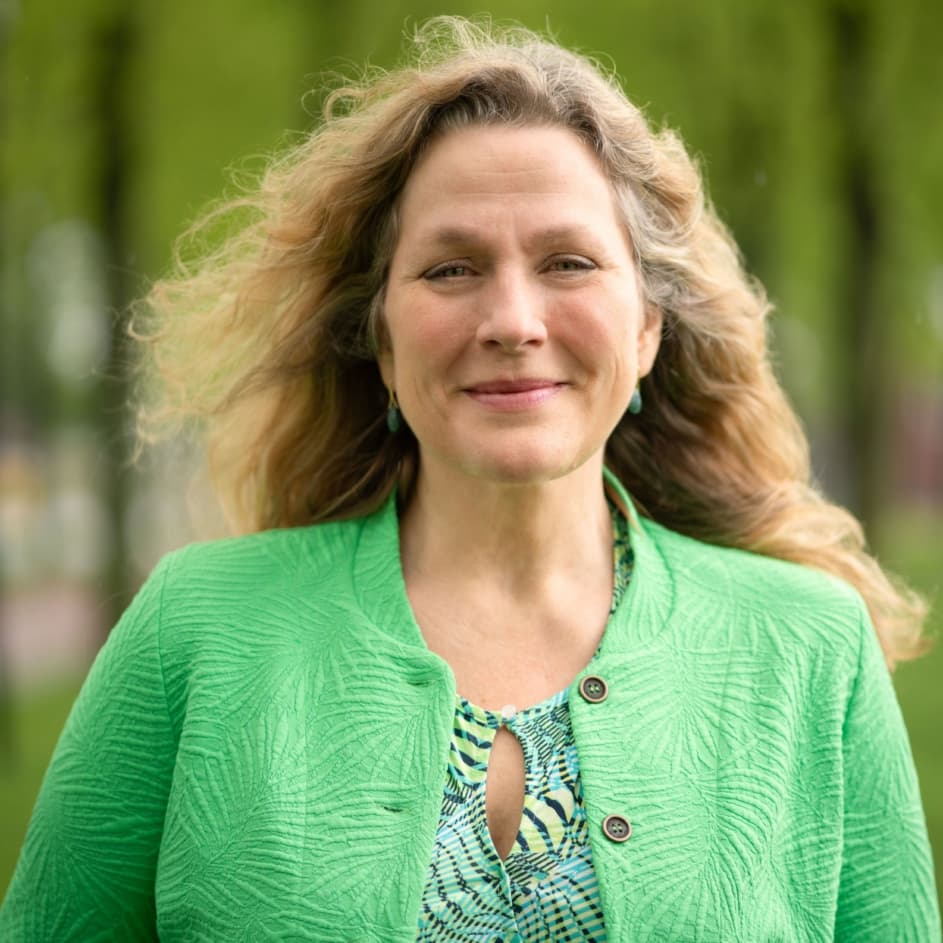
Opening Utrecht Science Week with keynote by Juliette Legler on the hidden influence of environmental chemicals
On Friday, September 25, the annual science festival ‘Utrecht Science Week’ kicks off once again at Utrecht Science Park. We are pleased to announce that this year, Prof. Dr. Ir. Juliette Legler will deliver the Utrecht Science Lecture. Juliette Legler is Professor of Toxicology at the Faculty of Veterinary Medicine at Utrecht University and leads the ‘One Health Toxicology’ group at the Institute for Risk Assessment Sciences (IRAS).