First post-COVID expertise centres for children open from February
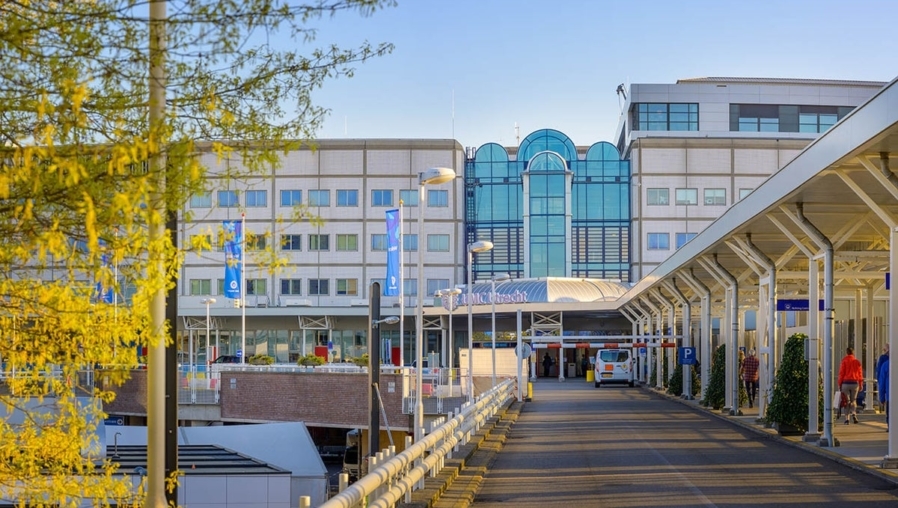
From 1 February 2025, the first post-COVID expertise centres for children will open at Amsterdam UMC, Maastricht UMC+ and UMC Utrecht. These centres focus specifically on children and adolescents with long-term symptoms after COVID-19 infection. Through the combined expertise of the umc’s in care, research and education, children from all over the Netherlands will have access to diagnostics and treatments according to the latest scientific insights.
Since 1 November 2024, children and adults with post-COVID can register for the post-COVID expertise centres via their GP. From 1 February 2025, the first children will now be seen in the expertise centres in Amsterdam, Maastricht and Utrecht. Adults with post-COVID symptoms could already visit the post-COVID expertise centres in Amsterdam UMC, Erasmus MC and Maastricht UMC+ from November 2024.
Minister Fleur Agema: ‘I am extremely happy that special outpatient clinics for children with post-COVID are now opening. Many children can no longer go to school, play sports or go to parties with friends as a result of this disease. Their lives come to a standstill, which is terrible for them, but also for their parents, for example. With the opening of these special outpatient clinics, a glimmer of hope is shining again for them. I know that opening these polyclinics was not an easy job, and in is therefore grateful for the efforts of all parties involved, including patient associations, doctors, researchers and health insurers, which made this possible.’
The collaborating patient organisations Children with LongCovid, PostCovid NL and Long Covid Netherlands also think it is great news that children can now go to the expertise centres. Diewke de Haen on behalf of the patient organisations: ‘It is a promising first step! Thanks to the opening of the expertise centres, valuable knowledge can be gathered that contributes to the recognition of post-COVID by healthcare providers and can improve the care of all children with post covid.’
Personalised approach
Children visiting the centres undergo comprehensive examinations by multidisciplinary teams of healthcare providers. These teams tailor care to the patient’s individual symptoms and needs. The results of treatments are regularly evaluated so that diagnostics and care can be adapted to the latest scientific insights. Promising treatment methods from home and abroad are also analysed as soon as possible and used where possible.
The establishment of the post-COVID centres of expertise is the result of close cooperation with patient organisations and the Dutch Association for Paediatrics (NVK), among others. Through these collaborations, care matches the specific needs of children and their families.
Relieve complaints
At the Dutch centres of expertise, patients receive a personalised treatment plan, aimed at improving symptoms and thus quality of life. In doing so, the centres offer new perspectives to children who often struggle with post-COVID symptoms for a long time. At the same time, the centres conduct research into physical disturbances in post-COVID, to gain more insight into the cause and consequences of post-COVID.
Hundreds of children are expected to be helped at the centres of expertise in the coming months. This marks an important step in improving care for children with post-COVID. By continuously collaborating with healthcare professionals, researchers and patient organisations, the centres contribute to a better understanding of this complex condition and future-oriented solutions.
Knowledge sharing
The post-COVID expertise centres were established with a double mission: to provide high-quality care and to accelerate the acquisition of knowledge and experience. The centres were not set up to treat all post-COVID patients in the Netherlands in the short term, but to gain knowledge and experience quickly and then share it with hospitals, GPs and other healthcare providers. In this way, we want to enable the best care for post-COVID patients; close to home where possible, further from home where necessary.
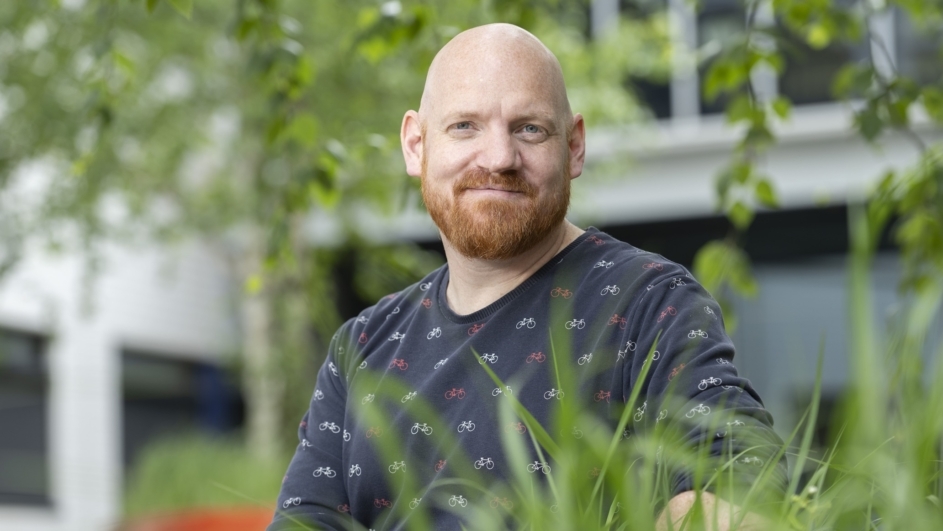
Interview: Thomas Hoogeboom on the future of Mobility & Health
Healthcare in the Netherlands is at a turning point. The new Societal Impact Platform Mobility & Health aims to connect knowledge and expertise across research disciplines, organizations and societal partners. We spoke to Thomas Hoogeboom, Professor of Physiotherapy Sciences and initiator of the platform, about the importance of mobility for health, the value of collaboration and what to expect from the kick-off during Utrecht Science Week.
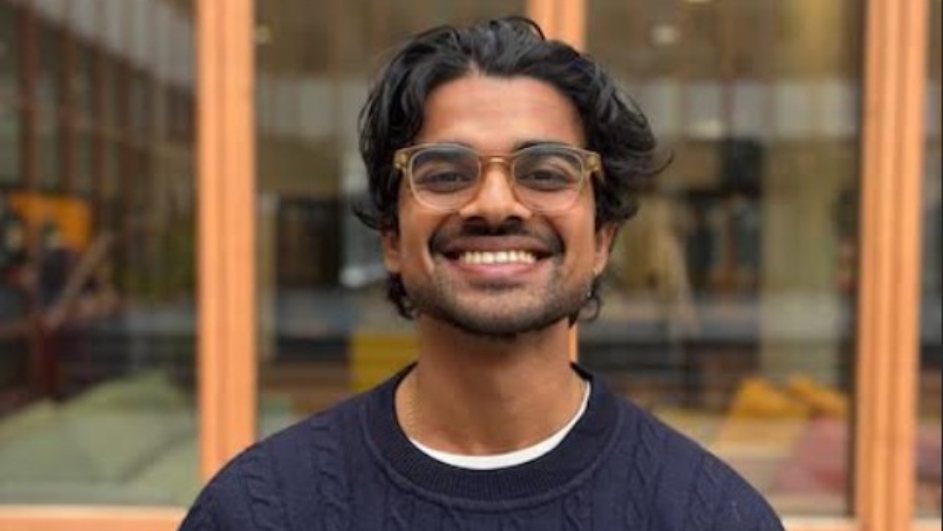
How UtrechtInc. helps startups grow
From a promising idea to a startup: getting there takes more than a good idea. UtrechtInc is a startup incubator that supports students, researchers and entrepreneurs in the Utrecht region during the early stages of their startup. Through validation programmes, personal guidance and a network of experts and investors, UtrechtInc helps founders develop and test their ideas.
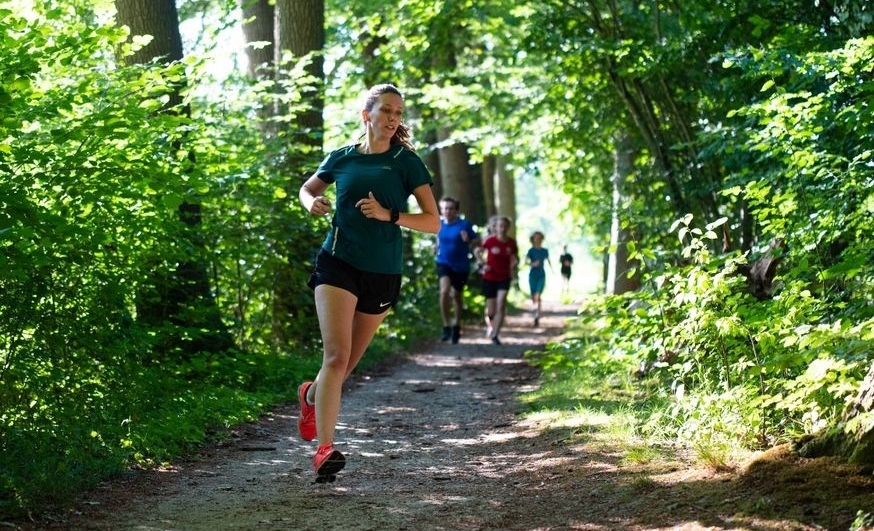
The new sports season at Olympos has kicked off again
The holidays are over, and the sports season has kicked off again! With packed schedules and tight deadlines, it is tempting to just keep working. Before you know it, you’ve spent hours in front of your screen or in the lab without taking a real break. Especially when things are busy, physical activity can help you unwind and gain new energy and inspiration.
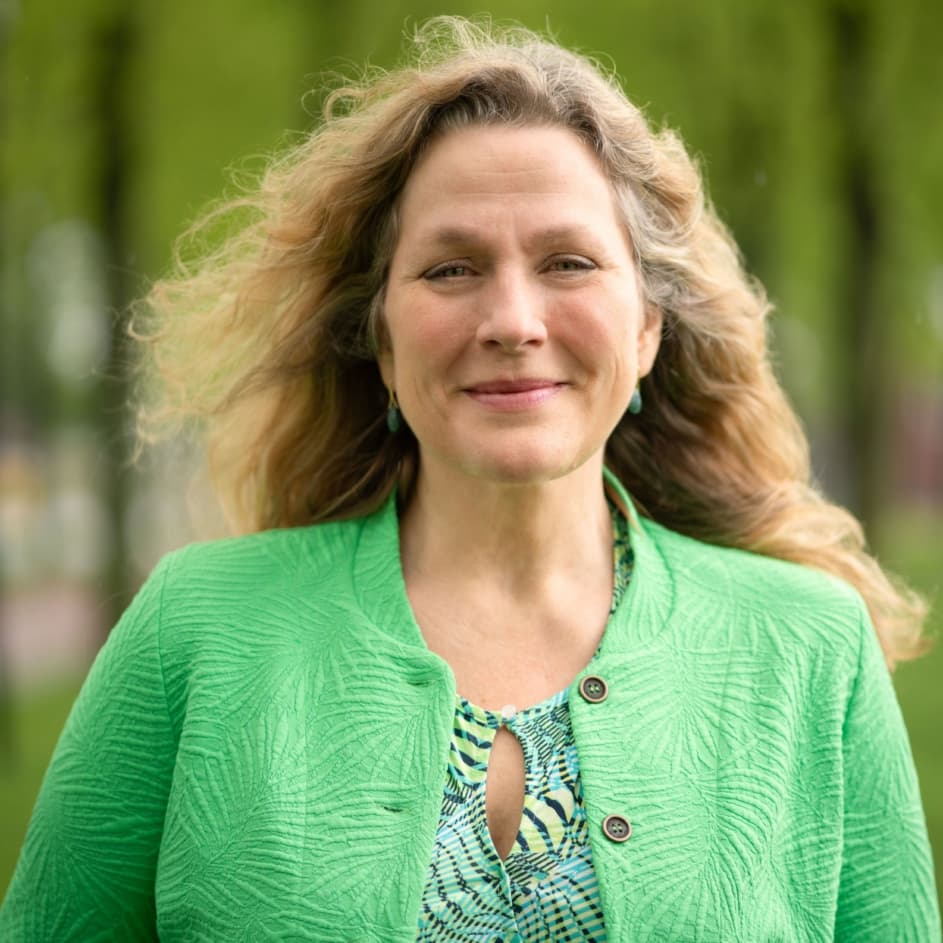
Opening Utrecht Science Week with keynote by Juliette Legler on the hidden influence of environmental chemicals
On Friday, September 25, the annual science festival ‘Utrecht Science Week’ kicks off once again at Utrecht Science Park. We are pleased to announce that this year, Prof. Dr. Ir. Juliette Legler will deliver the Utrecht Science Lecture. Juliette Legler is Professor of Toxicology at the Faculty of Veterinary Medicine at Utrecht University and leads the ‘One Health Toxicology’ group at the Institute for Risk Assessment Sciences (IRAS).