First eye patient receives synthetic cornea
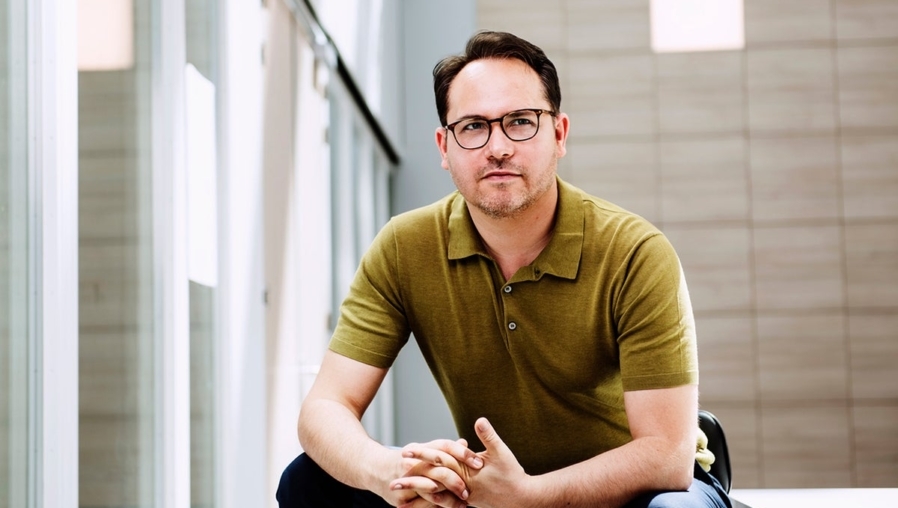
For the first time in Utrecht, a synthetic cornea was transplanted into a patient with a complex eye condition. The artificial cornea is an interesting alternative due to the donor shortage, and is a prelude to regenerative corneal transplants with cultured cells.
‘With my research, I am pushing for these types of implants to become regenerative. That means they will also contain cells and thus actually repair the cornea. The current synthetic implant can be a prelude to that, because this kind of material can also be the carrier of those cells,’ said UMC Utrecht professor of ophthalmology Mor Dickman, who recently performed the transplant with the synthetic cornea.
Major shortage of donor corneas
About 2,000 cornea transplants take place in the Netherlands every year, making it the most frequently performed transplant. Many of the recipients of such a transplant are elderly people, but younger patients and children also sometimes receive a cornea. Unfortunately, there is a huge shortage of donor corneas: there is about 1 donor for every 70 patients.
Corneal transplantation at UMC Utrecht.
An alternative graft
Because of the donor shortage, there is a great drive to find alternatives. It is the personal motivation of Professor of Ophthalmology Mor Dickman, who is now placing a synthetic corneal transplant in Utrecht for the first time. ‘This implant is made of a kind of contact lens material,’ he explains. ‘In this case, it replaces the inner part of the cornea.’
In the Netherlands, this technique is particularly interesting for patients with a high risk of rejection or graft failure. Mor: ‘These include patients with multiple previous transplants, a history of rejection, or after glaucoma surgery where small tubes are placed in the eye. There are also patients who do not want to receive donor tissue for cultural or religious reasons, and then this can be an alternative.’
Towards regenerative treatment
The synthetic implant was developed by a company, Eye-Yon. ‘Currently, we only apply this technique to the most complex cases,’ says Mor. ‘With further refinement and development, this technique could be a solution for a wider patient group in the future.’ An additional advantage is that a synthetic implant presents much less logistical challenges than a donated cornea.
In the further future, Mor sees other developments ahead. ‘With my research, I am pushing for these kinds of implants to become regenerative. That means they will also contain cells and thus actually repair the cornea. The current synthetic implant can be a prelude to that, because this kind of material can also be the carrier of those cells.’
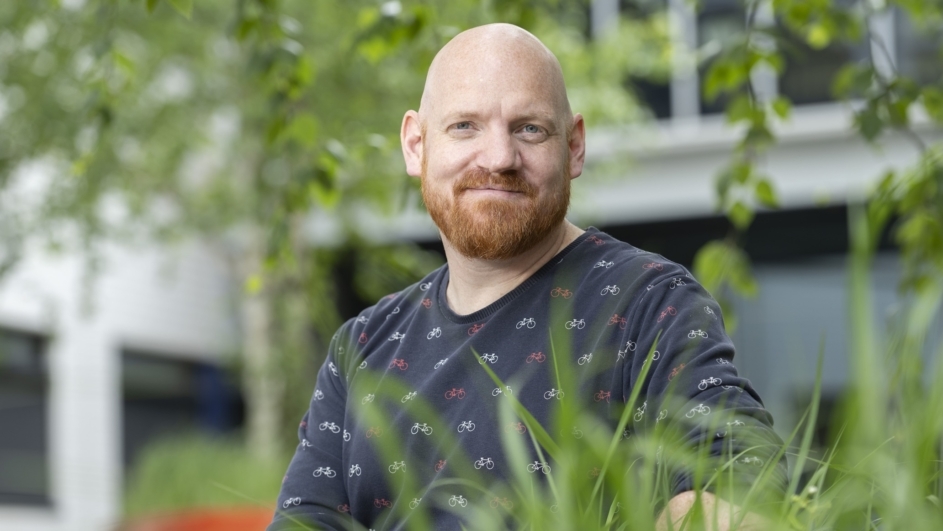
Interview: Thomas Hoogeboom on the future of Mobility & Health
Healthcare in the Netherlands is at a turning point. The new Societal Impact Platform Mobility & Health aims to connect knowledge and expertise across research disciplines, organizations and societal partners. We spoke to Thomas Hoogeboom, Professor of Physiotherapy Sciences and initiator of the platform, about the importance of mobility for health, the value of collaboration and what to expect from the kick-off during Utrecht Science Week.
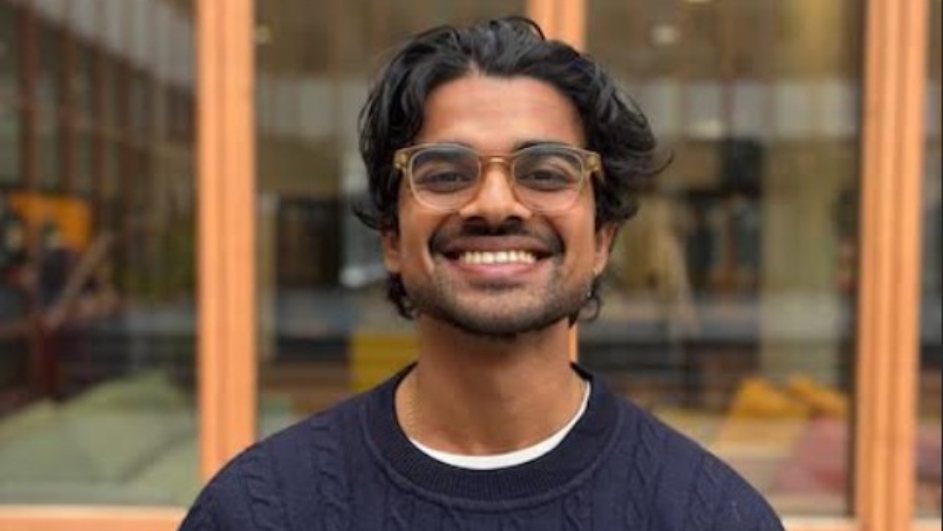
How UtrechtInc. helps startups grow
From a promising idea to a startup: getting there takes more than a good idea. UtrechtInc is a startup incubator that supports students, researchers and entrepreneurs in the Utrecht region during the early stages of their startup. Through validation programmes, personal guidance and a network of experts and investors, UtrechtInc helps founders develop and test their ideas.

The new sports season at Olympos has kicked off again
The holidays are over, and the sports season has kicked off again! With packed schedules and tight deadlines, it is tempting to just keep working. Before you know it, you’ve spent hours in front of your screen or in the lab without taking a real break. Especially when things are busy, physical activity can help you unwind and gain new energy and inspiration.
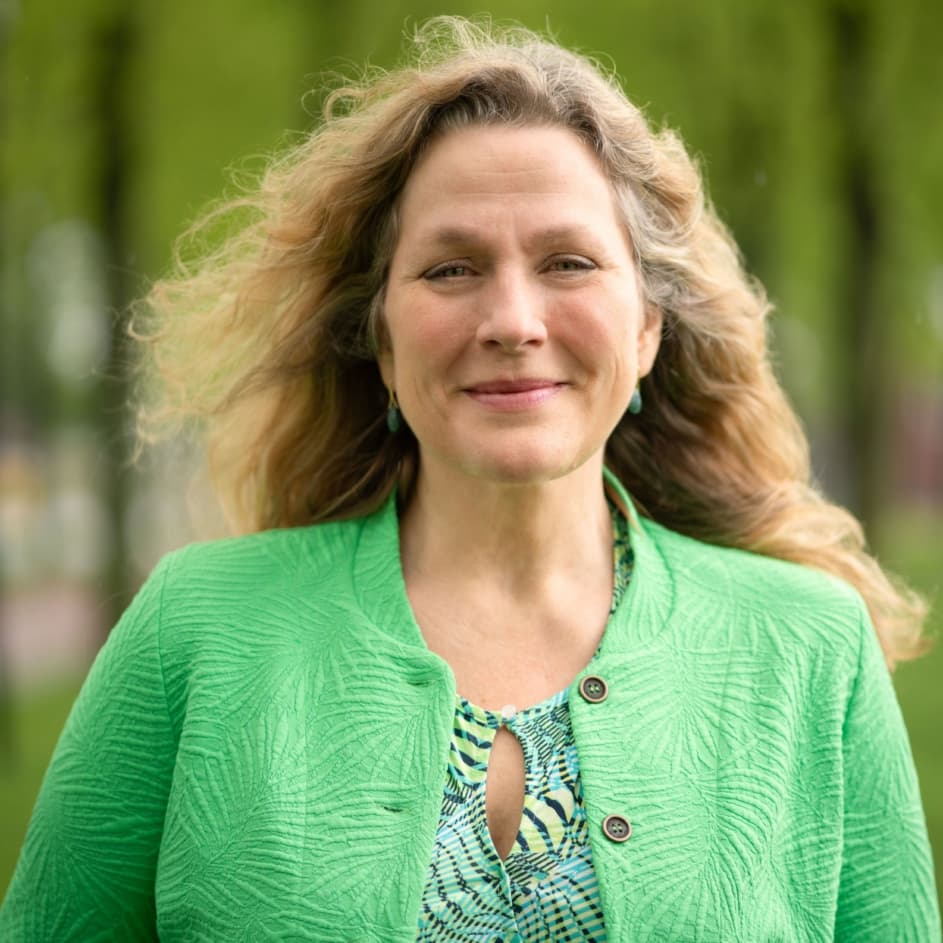
Opening Utrecht Science Week with keynote by Juliette Legler on the hidden influence of environmental chemicals
On Friday, September 25, the annual science festival ‘Utrecht Science Week’ kicks off once again at Utrecht Science Park. We are pleased to announce that this year, Prof. Dr. Ir. Juliette Legler will deliver the Utrecht Science Lecture. Juliette Legler is Professor of Toxicology at the Faculty of Veterinary Medicine at Utrecht University and leads the ‘One Health Toxicology’ group at the Institute for Risk Assessment Sciences (IRAS).