European alliance to fight cancer in children and adolescents
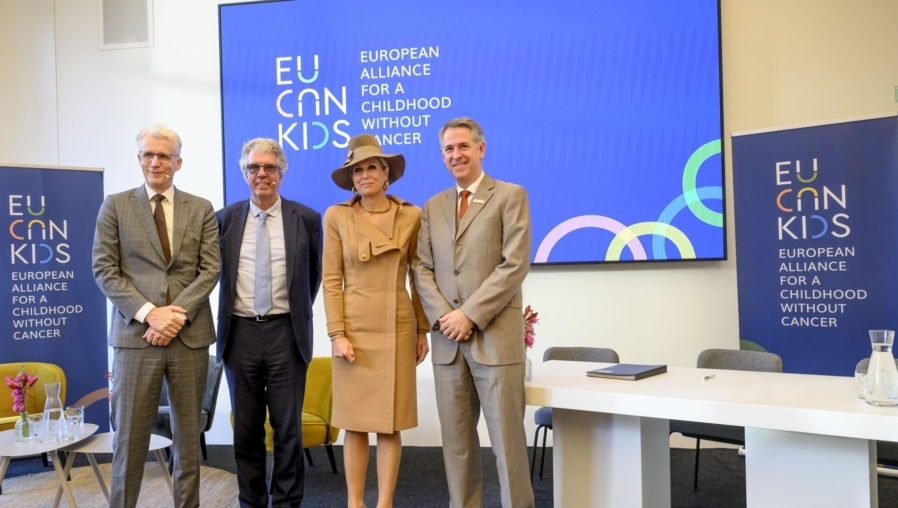
In the presence of Queen Máxima of the Netherlands, representatives of the Princess Máxima Center, the Hopp Children’s Cancer Center Heidelberg (KiTZ) and the Institut Curie in Paris signed a memorandum on strategic collaboration in European pediatric oncology in The Hague.
The ‘EU CAN KIDS’ (European Alliance for a Childhood Without Cancer) alliance forged between KiTZ and Princess Máxima Center in 2021 is thus being expanded to include another European partner. The alliance’s research fund, financed with donations of €3 million every year, is intended to give a decisive boost to European childhood cancer research in order to develop therapies with fewer side effects that are specifically tailored to children.
Queen Máxima
The signing at the Mauritshuis in The Hague took place in the presence of Queen Máxima, namesake of the Princess Máxima Center. Her presence underscored the importance of the research centers’ dedication to helping children with cancer across Europe and supports the success of the collaboration between the three centers.
European numbers
Each year, 21,000 children and adolescents across Europe are diagnosed with cancer. Roughly one in five cannot be cured by the current standard therapies, and over 7,000 do not survive. Young cancer patients also face significant long-term consequences from treatment: by 2025, Europe is expected to have over half a million survivors of childhood and adolescent cancer, more than half of whom will suffer from treatment-related long-term effects.
Cross-border use
The alliance aims to drive forward new treatment approaches in immunotherapy and targeted therapy for children and to establish patient-specific lab models. These allow replication of individual patients’ tumors in the lab, where their responses to specific drugs can be tested in advance. Expanding infrastructure and promoting leading talent in pediatric cancer research are also key priorities. These initiatives will also support cross-border use of anonymized patient data and tumor samples for research.
Groundbreaking projects
‘Since founding our alliance, we’ve launched 29 groundbreaking research and infrastructure projects with a total of 5 million euros. Thanks to our partnership we were able to overcome administrative and financial hurdles,’ explains René Medema, Scientific Director at the Princess Máxima Center. ‘Our work together includes research into new treatments for childhood leukemia, investigating the causes of particularly aggressive solid tumors, and finding ways to reduce the long-term side effects of childhood cancer therapies.’
At the signing of the alliance in The Hague, the testimony of 17-year-old Evy highlighted the importance of modern personalized diagnostic and therapeutic options for young cancer patients. Evy was 14 when she was diagnosed with leukemia. After standard therapies were no longer effective for her, she was treated with a cellular immunotherapy in a clinical trial setting and was able to overcome her illness. She is now an ambassador for T2evolve, an initiative that aims to accelerate the development of immunotherapies and improve access to them. She is also a member of the patient advisory board at the Princess Máxima Center.
KiTZ
‘Modern cancer therapies with fewer side effects are especially crucial for children and adolescents, even if the overall numbers are much lower than in adults,’ says Stefan Pfister, Director of KiTZ, Department Head at the German Cancer Research Center, and pediatric oncologist at Heidelberg University Hospital. He sees urgent need for action in pediatric oncology and cancer research: ‘Cure rates for young cancer patients have barely improved over the past 20 to 30 years, partly because there’s no commercial incentive to develop new therapies. Academic research, therefore, leads the way and relies on collaboration and shared resources to build a modern, cross-border pediatric oncology, so that children throughout Europe can access new treatments as quickly as possible.’
Institut Curie
The inclusion of the French Institut Curie as the third center of excellence in the ‘EU CAN KIDS’ alliance marks a vital step forward in strengthening European pediatric oncology, says Olivier Delattre, Director of the SIREDO pediatric center at Institut Curie: ‘As a leading basic research center and comprehensive cancer center, Institut Curie develops cutting edges strategies for research and treatment for childhood cancers. We’re thrilled to partner with the Hopp Children’s Cancer Center Heidelberg and Princess Máxima Center in Utrecht to create the foundation for the future of pediatric cancer care across borders.’
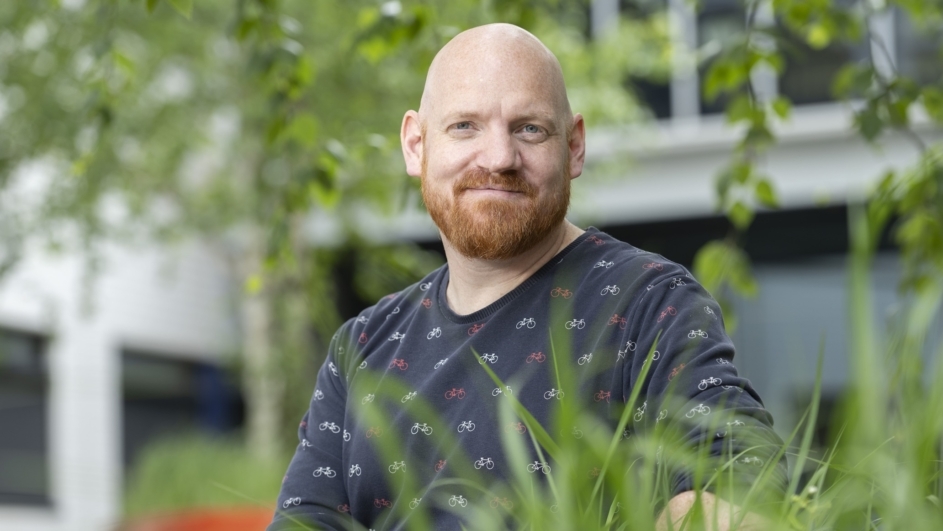
Interview: Thomas Hoogeboom on the future of Mobility & Health
Healthcare in the Netherlands is at a turning point. The new Societal Impact Platform Mobility & Health aims to connect knowledge and expertise across research disciplines, organizations and societal partners. We spoke to Thomas Hoogeboom, Professor of Physiotherapy Sciences and initiator of the platform, about the importance of mobility for health, the value of collaboration and what to expect from the kick-off during Utrecht Science Week.
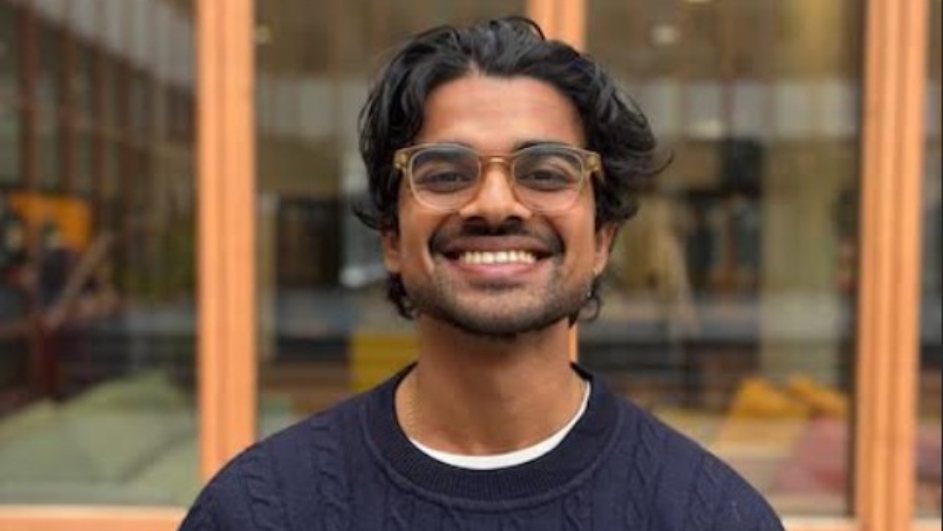
How UtrechtInc. helps startups grow
From a promising idea to a startup: getting there takes more than a good idea. UtrechtInc is a startup incubator that supports students, researchers and entrepreneurs in the Utrecht region during the early stages of their startup. Through validation programmes, personal guidance and a network of experts and investors, UtrechtInc helps founders develop and test their ideas.

The new sports season at Olympos has kicked off again
The holidays are over, and the sports season has kicked off again! With packed schedules and tight deadlines, it is tempting to just keep working. Before you know it, you’ve spent hours in front of your screen or in the lab without taking a real break. Especially when things are busy, physical activity can help you unwind and gain new energy and inspiration.
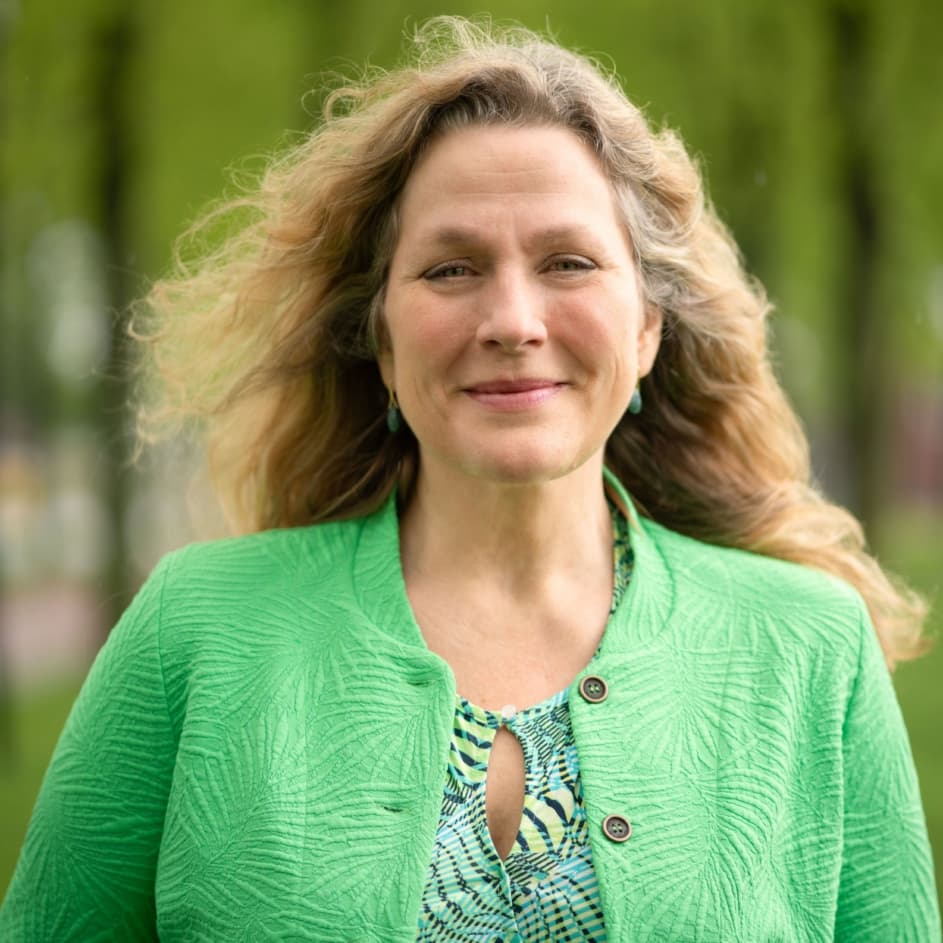
Opening Utrecht Science Week with keynote by Juliette Legler on the hidden influence of environmental chemicals
On Friday, September 25, the annual science festival ‘Utrecht Science Week’ kicks off once again at Utrecht Science Park. We are pleased to announce that this year, Prof. Dr. Ir. Juliette Legler will deliver the Utrecht Science Lecture. Juliette Legler is Professor of Toxicology at the Faculty of Veterinary Medicine at Utrecht University and leads the ‘One Health Toxicology’ group at the Institute for Risk Assessment Sciences (IRAS).