Brainstem organoids to improve CAR T-cell therapy
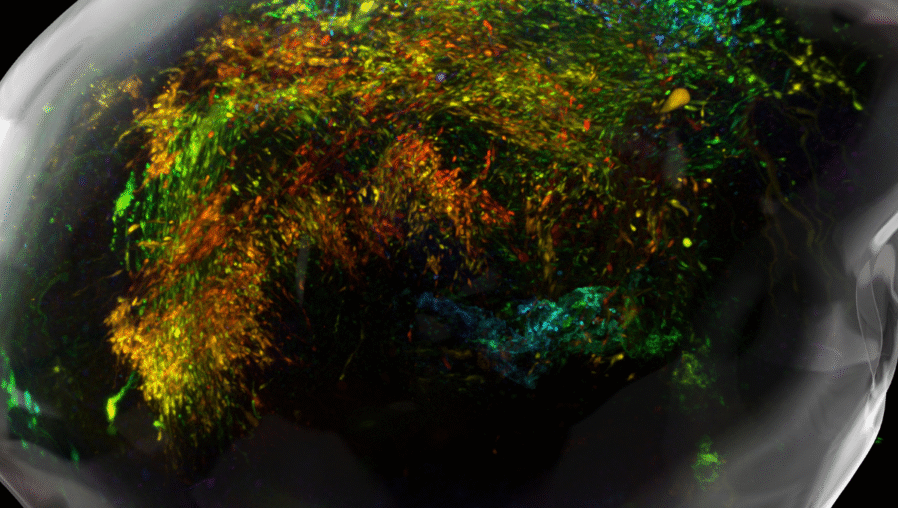
Effective CAR T-cell therapy for children with Diffuse Midline Glioma (DMG). With this goal in mind, researchers at the Princess Máxima Center have, for the first time, grown 3D mini-tumors of this currently incurable brain tumor. The new research model aims to provide more insight into how CAR T-cells function in the brainstem, ultimately improving immunotherapy.
Each year, 150 children in the Netherlands are diagnosed with a tumor of the central nervous system, in the brain or spinal cord. For ten of these children, it is the type called diffuse midline glioma (DMG). Currently, there is no treatment to cure these children. New effective treatments are urgently needed.
New research model for DMG
Scientists use various models to study the biology of healthy tissue and diseases, and the effects of therapies in the lab such as cell lines, animal models, and, for several years now, 3D mini-organs. These so-called organoids have certain characteristics and are so complex that researchers can accurately mimic organ functions in the lab.
Researchers from the Rios group at the Princess Máxima Center for pediatric oncology have succeeded in growing an organoid that closely mimics the brainstem, the site where DMG originates. To replicate the tumor, they introduced genetic mutations commonly found in children with DMG into the organoids.
The study, led by Prof. Dr. Anne Rios, group leader at the Princess Máxima Center and Oncode Institute, was published today in the prestigious scientific journal Nature Cancer.
CAR T-cell research
PhD candidates Celina Honhoff and Amber Wezenaar from the Rios group used the model to examine the short- and long-term effects of CAR T-cell therapy. They tested GD2-specific CAR T-cells on the DMG organoids, a therapy currently being investigated in clinical trials for children with DMG. Although promising, results in these children have been inconsistent and often not lasting. The researchers monitored the CAR T-cells for over a month to observe their behavior and impact on the DMG organoids.
They also added immune cells naturally present in the brain to the model. They found that microglia significantly reduced CAR T-cell effectiveness. CAR T-cells attack the tumor and shrink it, but in the presence of microglia, the tumor remained larger. They also identified CAR T-cell subtypes that were particularly sensitive to this suppression.
Amber Wezenaar, PhD candidate in the Rios group and one of the four first authors of the study, says: ‘We saw that some CAR T-cells became exhausted over time. This reduced effectiveness is also known from clinical studies. Now that we can replicate this in the lab, we can more effectively search for ways to improve therapy for children with DMG.’
Realistic Model
PhD candidate and co-first author Nils Bessler developed the research model and mapped it out in detail with Rijndert Ariese. ‘To study CAR T-cell function, the organoid must be as realistic as possible, as well as the environment in which the mini-tumor resides. We developed that environment, creating a new animal-free research model.’
DMG is rare, so tissue available for research is limited. However, organoids can be grown indefinitely and monitored long-term. Researchers expect this new model to accelerate research into new and better treatments for children with DMG.
Next steps
The next step is to further refine the research model to mimic DMG in children even more accurately. The first results from the CAR T-cell therapy experiments demonstrate the model’s usefulness and pave the way for further research by the Rios group. They aim to better understand the influence of microglia on CAR T-cells.
Dr. Jasper van der Lugt, pediatric oncologist specializing in brain tumors, emphasizes the importance of the research led by Anne Rios: ‘Currently, we still have to tell all children with brainstem cancer that they will pass away. CAR T-cell therapy is a promising form of immunotherapy, but to truly offer hope for children with DMG, we need a better understanding of how these cells work and interact with the immune system. The new DMG organoids provide a valuable platform for research into immunotherapy for brain tumors. I trust that research with these mini-tumors will yield much-needed knowledge in the coming years to bring effective immunotherapy for children with DMG closer.’
The research was supported by Stichting Kinderen Kankervrij (KiKa), Stichting Proefdiervrij, the Charlie Teo Foundation, and Oncode Institute.
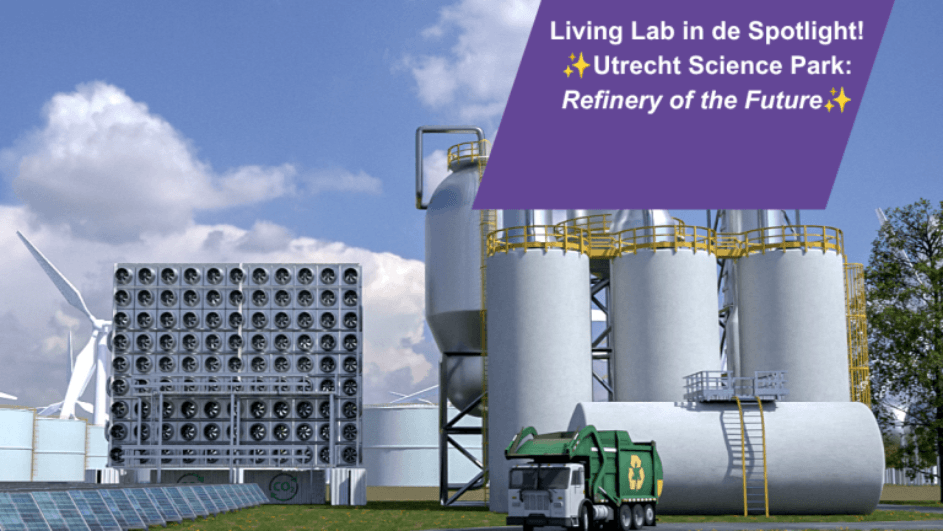
Living Lab in the Spotlight: Utrecht Science Park
Utrecht Science Park is home to several living labs focused on energy and circularity. These include Lumifield, which explores the generation and storage of solar energy, and the biogas digester, which uses organic waste as an energy source. On their own, these are already promising initiatives. Connected, they could become something much bigger: a functioning, learning model for a circular campus.
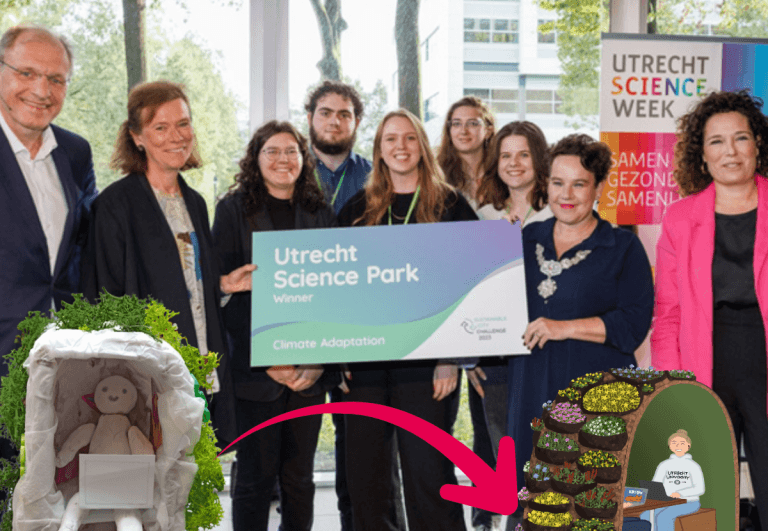
From student idea during challenge to ReGreen Hut at Dutch Design Week
On hot summer days, temperatures can rise significantly at Utrecht Science Park, while students are looking for places to study, relax and find some shade outdoors. At the same time, planting trees is not always straightforward: underground, the campus is crisscrossed by a dense network of cables and utility lines. So how can we create shade, greenery and places to relax without major changes to the ground?
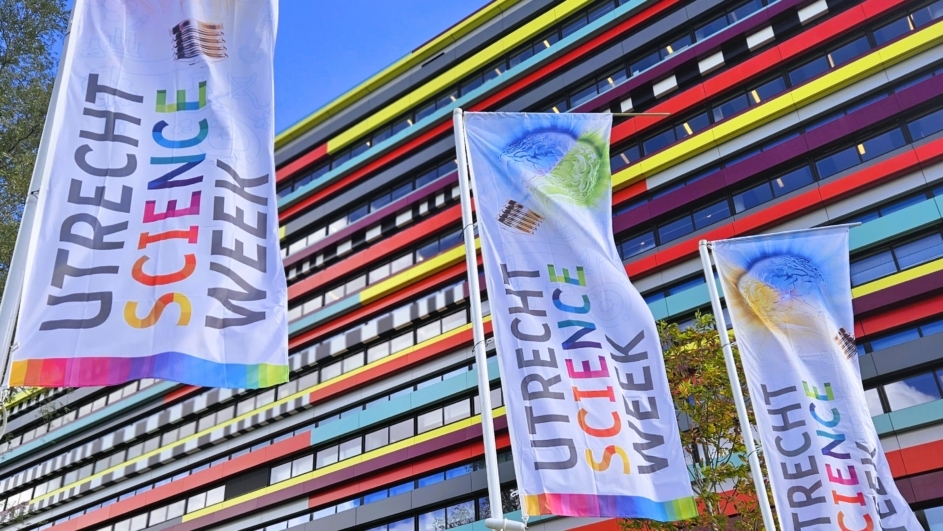
Utrecht Science Week kicks off: social and economic impact of Utrecht Science Park in the spotlight
The sixth edition of Utrecht Science Week takes place from Friday, 25 September to Sunday, 4 October. During this time, Utrecht Science Park opens its doors to the general public, showcasing how research, innovation, and collaboration lead to tangible societal and economic impact. At the same time, the week underscores the importance of sustained investment in knowledge and innovation.
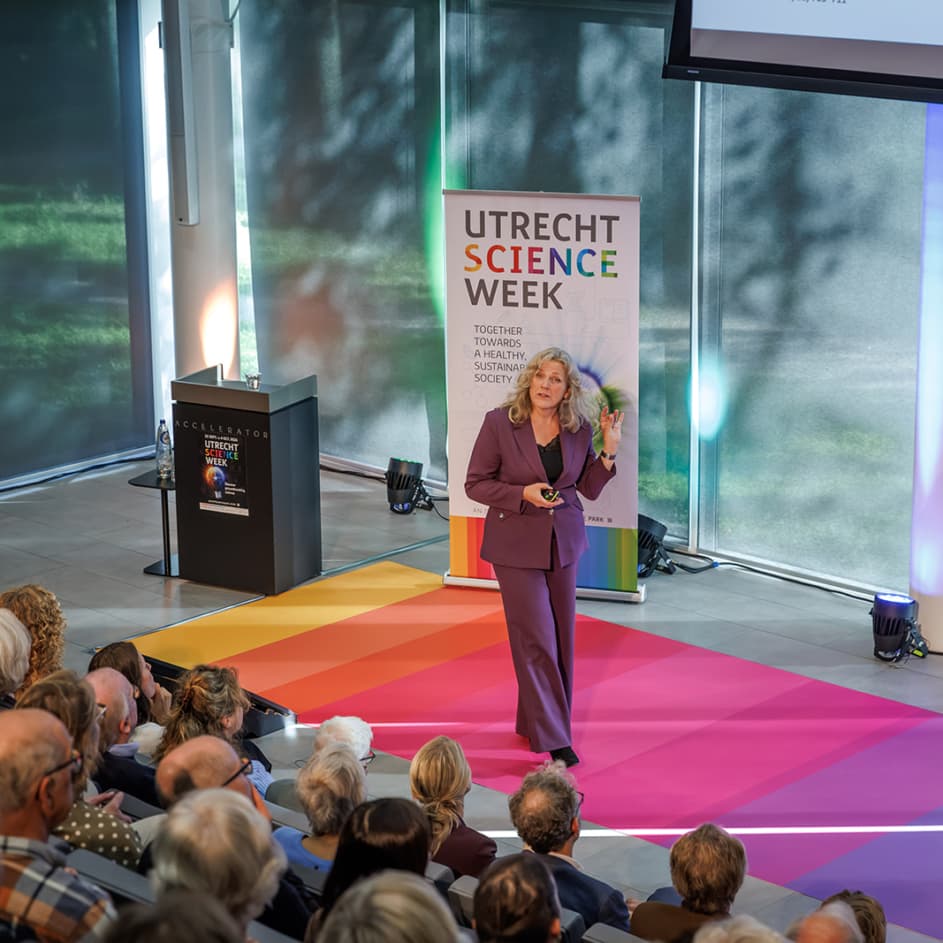
Looking back at Utrecht Science Week: research, education, and entrepreneurship in the spotlight
Utrecht Science Week 2026 has come to a close. For over a week, visitors enjoyed workshops, lectures, group discussions, and tours focused on science and innovation at Utrecht Science Park. With more than thirty program activities across over 25 locations, there were ample opportunities to experience science up close. We look back on a fantastic week that once again highlighted the essential role of collaboration, and the combination of research, education, and entrepreneurship, in addressing the societal challenges of our time.