AI detects pain and stress in premature babies
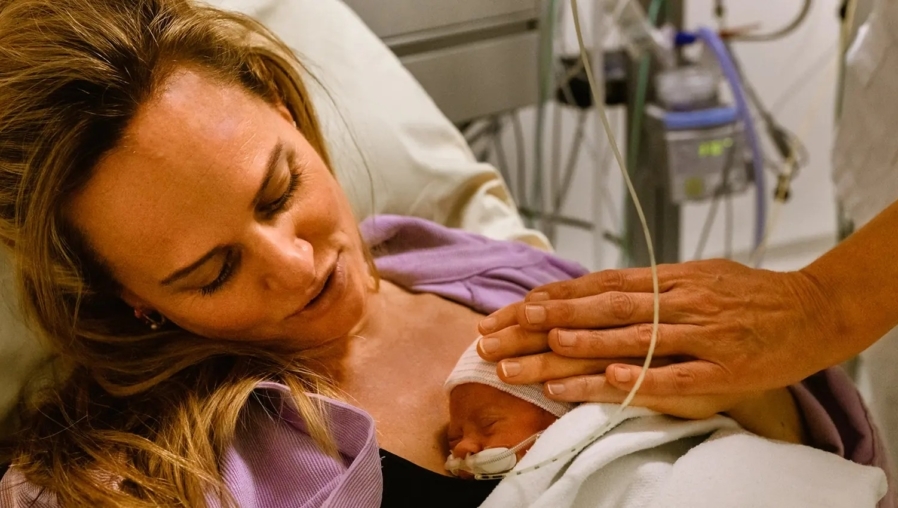
Premature babies in the intensive care unit often experience unnoticed pain and stress, which can have long-term negative effects on their development. Therefore, it is crucial for nurses to receive timely alerts when their patients are in discomfort. Jeroen Dudink and Maria Luisa Tataranno, both neonatologists and researchers at UMC Utrecht, have received a grant of 100,000 euros. With this funding, they plan to develop reliable software to objectively measure pain and stress in babies.
One in every ten babies is born prematurely. These children are extremely vulnerable and require intensive care. However, due to the ongoing shortage of healthcare personnel, there is less time for individual attention. Combined with the current lack of methods to objectively monitor pain and stress in babies and adjust care accordingly, this presents a major challenge in the care of premature infants. To help neonatologists address this challenge, the AFAS Foundation recently provided 100,000 euros via the charitable foundation Vrienden UMC Utrecht & Wilhelmina Kinderziekenhuis.
More software on the horizon
With the new grant, neonatologists Maria Luisa Tataranno and Jeroen Dudink can launch the research project ‘Baby Comfort.’ They are collaborating with Richard Bartels, a data scientist at the Julius Center at UMC Utrecht. The new study is a follow-up to the successful Sleep Well Baby project, in which researchers at UMC Utrecht developed an algorithm to determine the sleep phases of newborn babies. This allows nurses to soon adjust the care they provide based on the sleep cycle of their patients, ensuring they don’t disturb babies when they are in a deep sleep.
The software to monitor sleep sparked further ambitions. “Now that we can soon align care with the sleep cycles of premature babies, we want to create a similar system for pain and stress,” says Jeroen Dudink. “The new software we are developing can detect these factors in real time and objectively,” adds colleague Maria Luisa Tataranno. “This way, we know when to leave the baby undisturbed and when to take action. For instance, when an IV line is causing pain and needs replacing.”
AI transforms patient monitors
The researchers are using the recently acquired ‘skin conductance monitors’ at WKZ, obtained with support from RTL Project Glimlach. These advanced pain sensors can be integrated with the algorithm from the previous Sleep Well Baby project, making them ideal for developing the new Baby Comfort software. “Through machine learning, we can transform the patient monitors found at every bed in intensive care units worldwide into objective detectors of pain and stress levels,” explains Maria Luisa.
The Utrecht researchers hope that the system they will develop can eventually be used in other hospitals and even improved further. For this reason, they are making their software entirely open source. They will also collaborate with other centers, including those in Groningen and Rotterdam, to exchange knowledge and further strengthen the project. Jeroen says, “We believe that AI can be a valuable tool in the care of premature babies. By using software like this, caregivers can better respond to their individual needs, giving them the best possible start in life.”
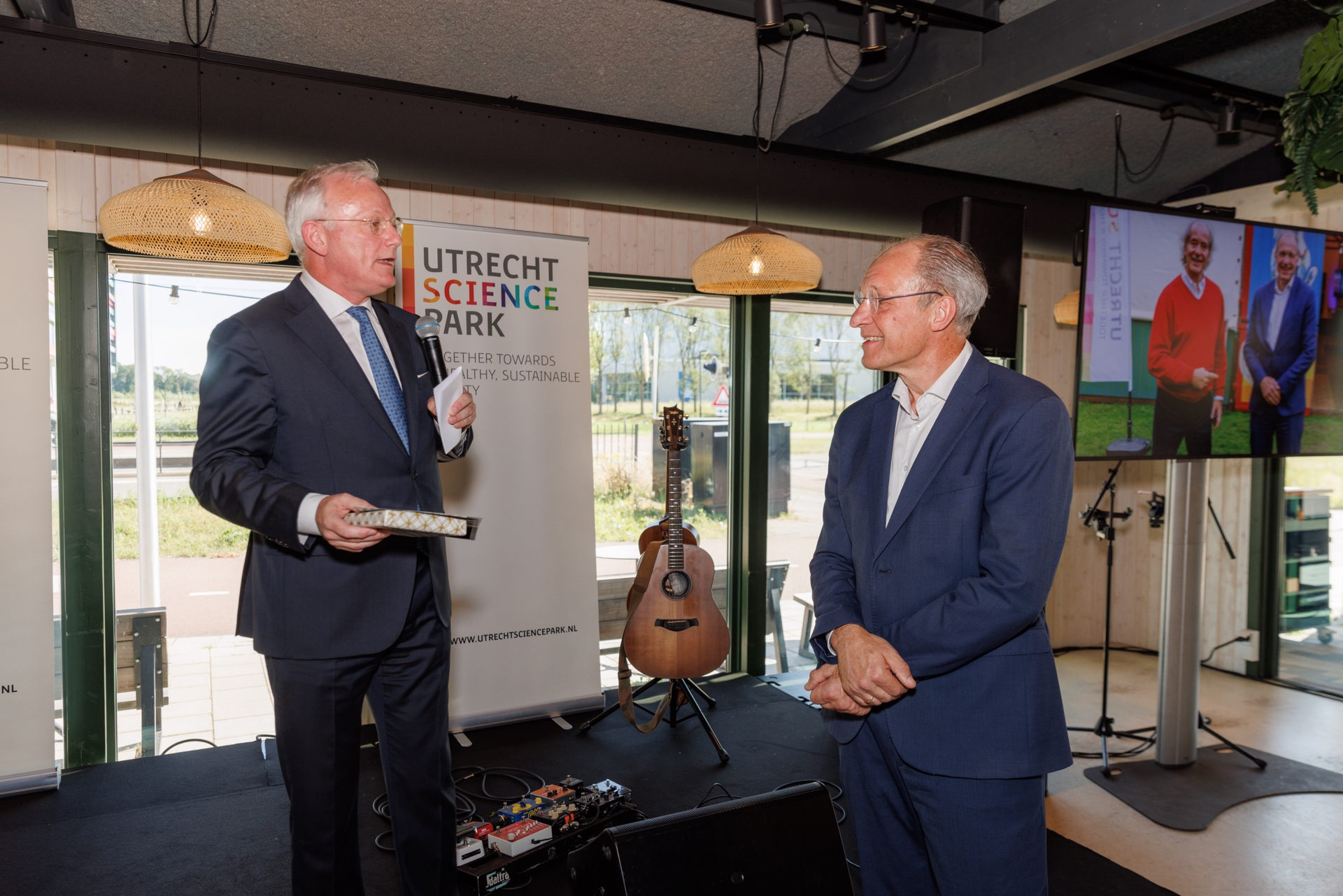
Utrecht Science Park Summer Café: Farewell to Managing Director Jan Henk van der Velden
On Monday, 6 July, the Utrecht Science Park Summer Café took place at Grand Café Living on Utrecht Science Park. This edition was dedicated to the farewell of Jan Henk van der Velden, Managing Director of the Utrecht Science Park Foundation, after nine years in which he played a key role in the development and positioning of the ecosystem.
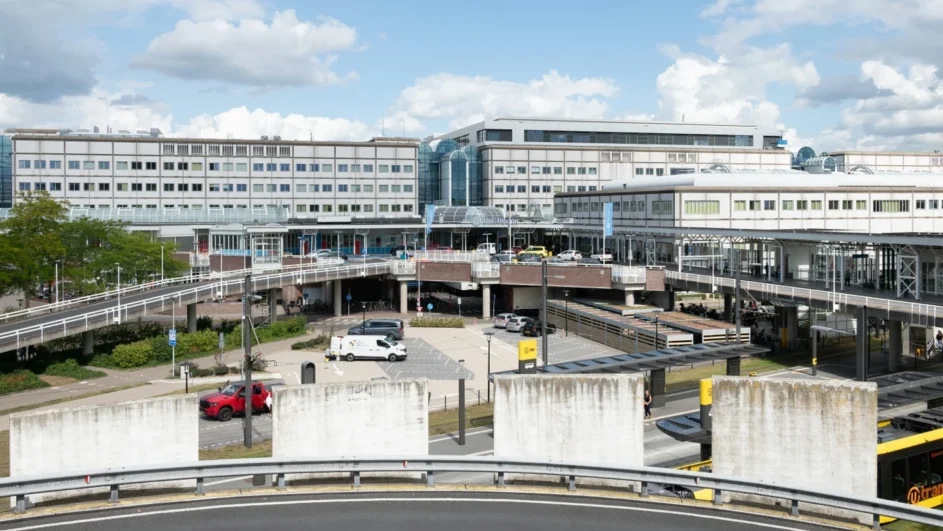
UMC Utrecht is to get a new main entrance and a green campus park
The north side of UMC Utrecht is set to undergo a major redevelopment in the coming years. Utrecht City Council and the teaching hospital have presented plans for a new main entrance, a central car park and a green reception area designed to improve connections between the hospitals at Utrecht Science Park. The plans have now been submitted to the city council.
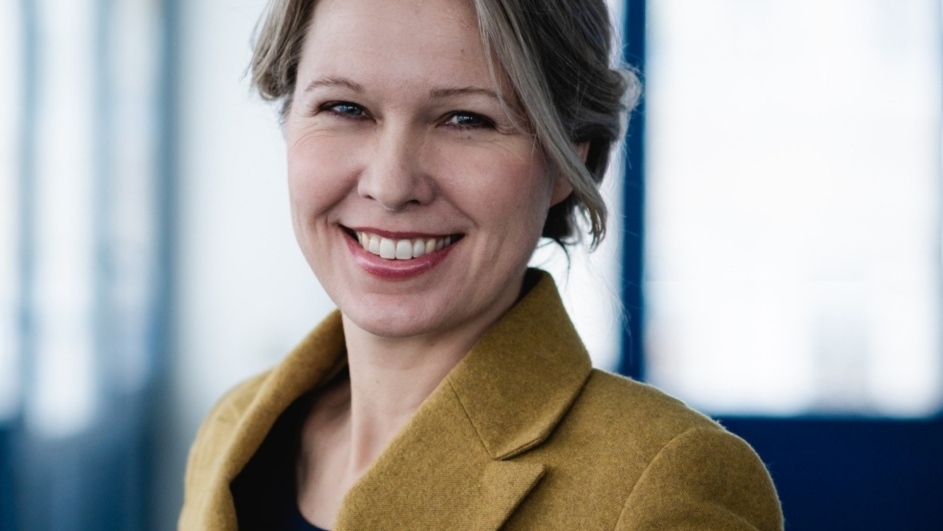
Petra Baarendse appointed new Managing Director of Stichting Utrecht Science Park as of 1 September
Utrecht, 2 July 2026 – As of 1 September 2026, Petra Baarendse will take office as the new Managing Director of Stichting Utrecht Science Park. She succeeds Jan Henk van der Velden, who has stepped down and will take on a new role as Managing Director of Stichting Nationaal Park Utrechtse Heuvelrug.
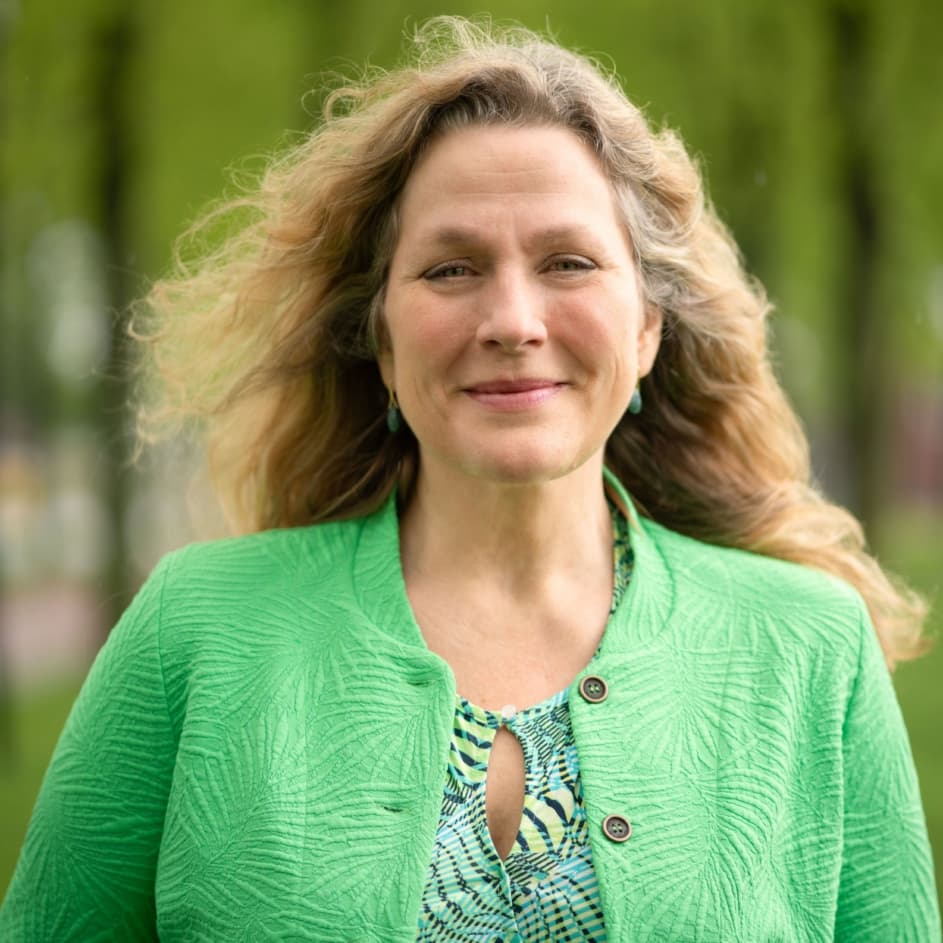
Opening Utrecht Science Week with keynote by Juliette Legler on the hidden influence of environmental chemicals
On Friday, September 25, the annual science festival ‘Utrecht Science Week’ kicks off once again at Utrecht Science Park. We are pleased to announce that this year, Prof. Dr. Ir. Juliette Legler will deliver the Utrecht Science Lecture. Juliette Legler is Professor of Toxicology at the Faculty of Veterinary Medicine at Utrecht University and leads the ‘One Health Toxicology’ group at the Institute for Risk Assessment Sciences (IRAS).