3D-printed medication: personalized for every child
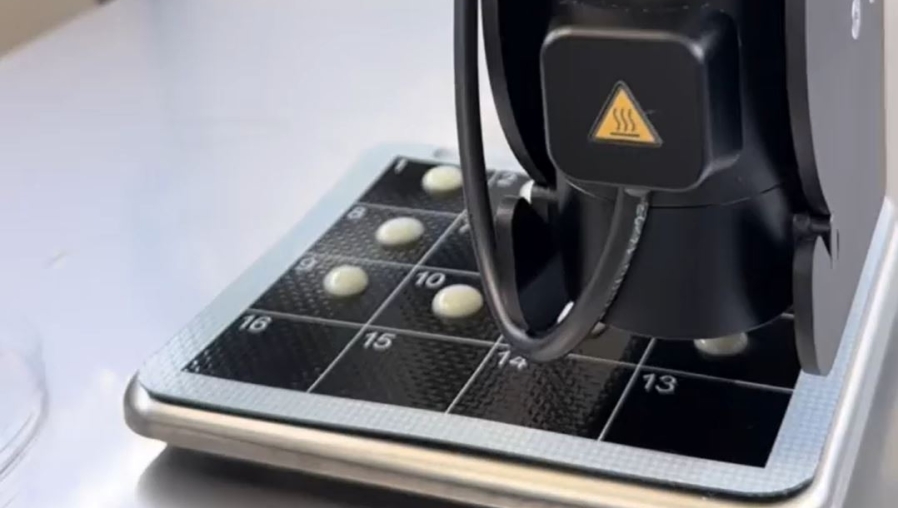
The pharmacy of the Princess Máxima Center is ready to launch a groundbreaking innovation: 3D printing of medication. With this new technology, oral medication can be precisely customized to meet the needs of a child with cancer, improving adherence and making treatments more effective.
Many oral medications are developed for adults and are not available in the correct dosage for children. Lidwien Hanff, Head of the Hospital Pharmacy, explains: ‘We are constantly challenged to find the smartest solutions for children. During intensive treatment with medication, chemotherapy, and immunotherapy, maintaining the child’s quality of life is crucial—this is also the Máxima Center’s mission. Our role is to advise on medication that prioritizes as much comfort as possible for the child.’
To adapt medication for children, oral drugs are sometimes converted into liquid form, but these often have an unpleasant taste and can lead to dosing errors if not administered correctly. Hand-prepared capsules are an alternative, but the process is time-consuming and maintaining consistent quality is challenging.
Precise dosing
Hospital pharmacist Rogier Lange explains: ‘The Máxima Center is one of the first hospitals in the Netherlands to start 3D printing medication. In practical terms, this means we will use new equipment to print gummy-like tablets containing medication. Children can chew them, which makes them easier to swallow, or they can be dissolved to be given through a tube.’ The key benefit: precise dosing, tailored to each individual child. ‘By making medication easier and more pleasant to take, we improve adherence and reduce the need for unnecessary intravenous administration. We also hope to create combination pills in the future so children have to take fewer separate medications,’ says Rogier Lange.
The hospital pharmacy is currently modifying its facilities, and the necessary equipment has already been installed. Following a period of testing and validation, the first tablets are expected to be available for patients in the course of 2025.
Collaboration and Innovation
The implementation of 3D-printed medication is made possible through collaboration with partners such as Utrecht University, UMC Utrecht, and the company CurifyLabs. This innovation marks a major advancement in the treatment of children with cancer. By embracing new technologies, we ensure that each child receives the right dosage in a child-friendly form. This not only makes treatments more effective but also significantly improves the overall patient experience.
Foundation
Health insurance companies do not reimburse for the machine because 3D printing is not yet routinely used in hospitals. Therefore, a financial contribution was raised from donors to make this technology accessible. Thanks to the work of the Princess Máxima Center Foundation, this has been achieved.
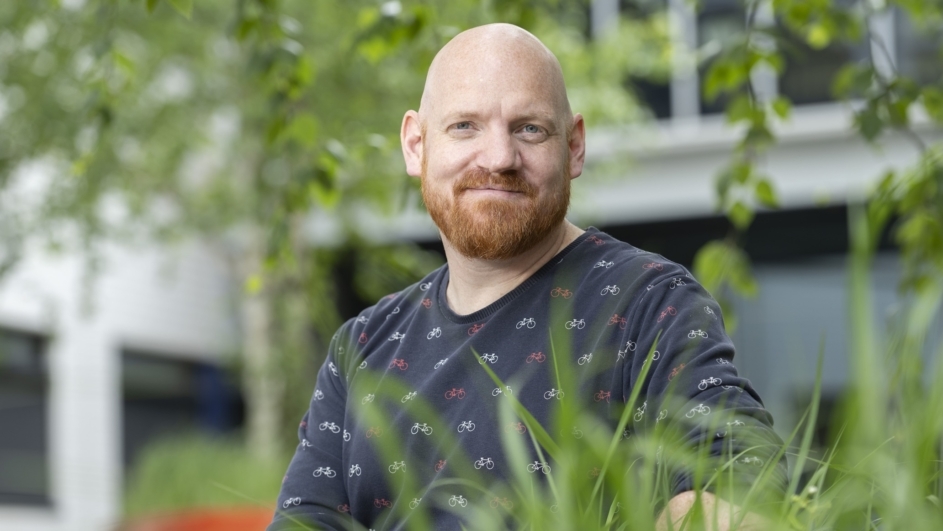
Interview: Thomas Hoogeboom on the future of Mobility & Health
Healthcare in the Netherlands is at a turning point. The new Societal Impact Platform Mobility & Health aims to connect knowledge and expertise across research disciplines, organizations and societal partners. We spoke to Thomas Hoogeboom, Professor of Physiotherapy Sciences and initiator of the platform, about the importance of mobility for health, the value of collaboration and what to expect from the kick-off during Utrecht Science Week.
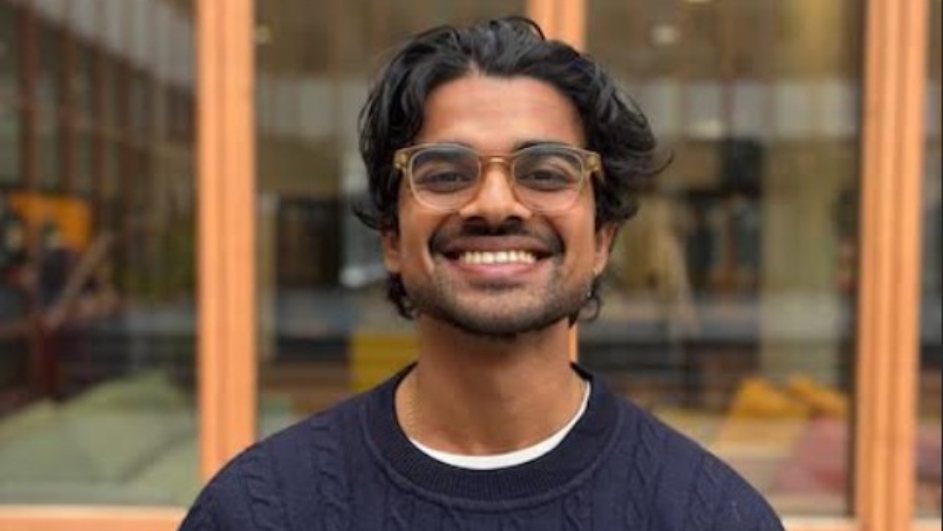
How UtrechtInc. helps startups grow
From a promising idea to a startup: getting there takes more than a good idea. UtrechtInc is a startup incubator that supports students, researchers and entrepreneurs in the Utrecht region during the early stages of their startup. Through validation programmes, personal guidance and a network of experts and investors, UtrechtInc helps founders develop and test their ideas.

The new sports season at Olympos has kicked off again
The holidays are over, and the sports season has kicked off again! With packed schedules and tight deadlines, it is tempting to just keep working. Before you know it, you’ve spent hours in front of your screen or in the lab without taking a real break. Especially when things are busy, physical activity can help you unwind and gain new energy and inspiration.
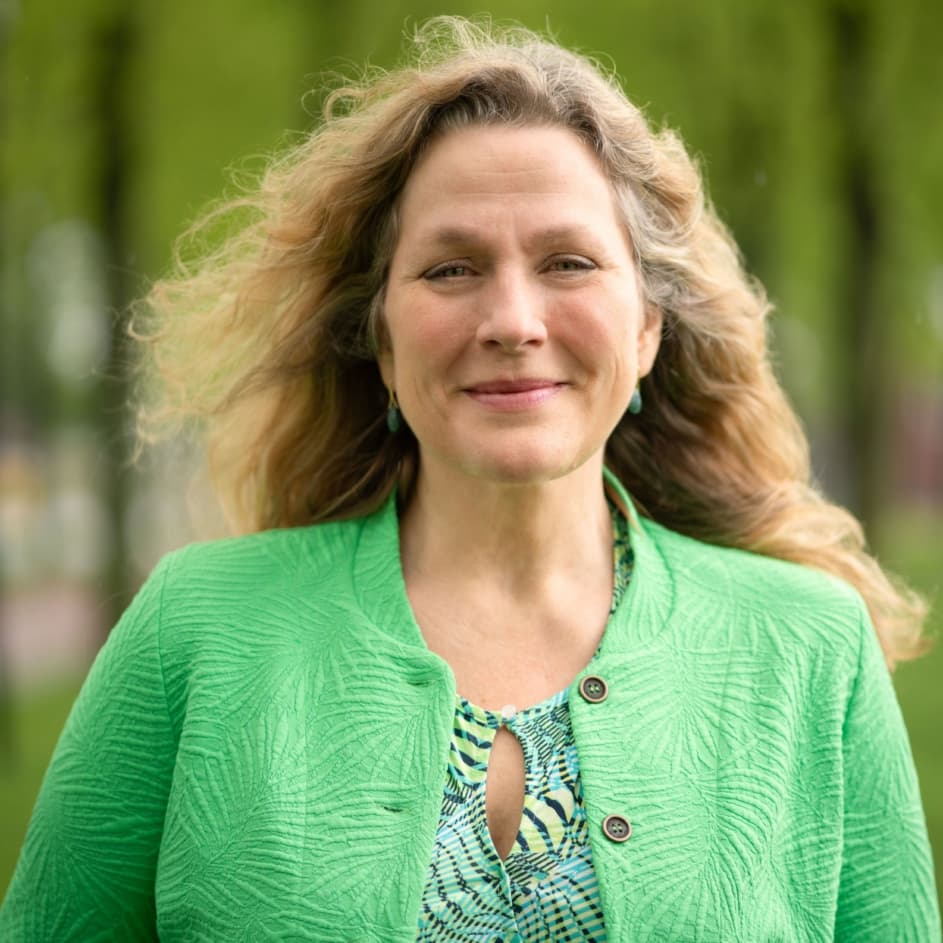
Opening Utrecht Science Week with keynote by Juliette Legler on the hidden influence of environmental chemicals
On Friday, September 25, the annual science festival ‘Utrecht Science Week’ kicks off once again at Utrecht Science Park. We are pleased to announce that this year, Prof. Dr. Ir. Juliette Legler will deliver the Utrecht Science Lecture. Juliette Legler is Professor of Toxicology at the Faculty of Veterinary Medicine at Utrecht University and leads the ‘One Health Toxicology’ group at the Institute for Risk Assessment Sciences (IRAS).