Utrecht Science Week kicks off: social and economic impact of Utrecht Science Park in the spotlight
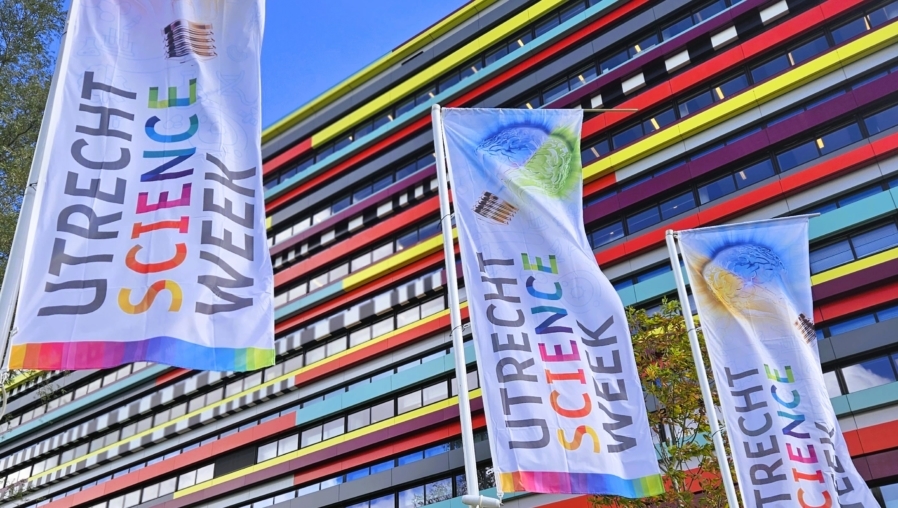
The sixth edition of Utrecht Science Week takes place from Friday, 25 September to Sunday, 4 October. During this time, Utrecht Science Park opens its doors to the general public, showcasing how research, innovation, and collaboration lead to tangible societal and economic impact. At the same time, the week underscores the importance of sustained investment in knowledge and innovation.
A diverse program and audience
Utrecht Science Week has grown into a prominent annual event that highlights innovation, research, and collaboration at the Netherlands’ largest science park. With over 50 speakers and 30 program components spread across more than 20 locations at Utrecht Science Park, the week offers a broad and accessible program for professionals, students, and local residents. From lectures and panel discussions to knowledge markets and guided tours, all events are free to attend.
Social and economic impact
Utrecht Science Week demonstrates why investments in research, innovation, and strong knowledge clusters like Utrecht Science Park are vital for both societal progress and economic earning capacity. It is precisely at the intersection of science, entrepreneurship, and healthcare that new solutions emerge for major challenges related to a healthy and sustainable society.
This significance was underscored last year in a report by Peter Wennink regarding the Netherlands’ future prosperity and business climate. The report concludes that the Netherlands can strengthen its international position and generate greater economic value through targeted investment in talent, innovation, entrepreneurship, and scaling up within the life sciences and biotechnology sectors. The industry has translated this analysis into a joint strategy aimed at accelerating the development of new medicines, diagnostics, therapies, and medical technologies. This not only contributes to better health outcomes but also strengthens the Dutch innovation and business climate, creates high-quality jobs, and boosts the country’s future earning capacity. Strong regional ecosystems, such as Utrecht Science Park, are a key factor in this success. Red biotechnology and MedTech
Together with the Utrecht Metropolitan Region (MRU), Utrecht Science Park is committed to further accelerating these ambitions. The Utrecht region ranks among Europe’s economic leaders, contributing approximately 12 percent of the Netherlands’ gross domestic product, and—with Utrecht Science Park—is home to the country’s largest science park. This week, the MRU presented the “Utrecht, Heart of Health” Spatial-Economic Investment Agenda (REIA) to the central government. Through this public-private agenda, companies, knowledge institutions, and government bodies demonstrate how investments in health, energy, digitalization, and innovation contribute to solutions for major societal challenges and to the Netherlands’ future earning capacity. The investment agenda focuses on, among other things, two key areas where Utrecht Science Park holds a strong position: red biotechnology—for the development of new therapies and medicines—and MedTech, for innovative applications that keep healthcare accessible and affordable.
‘Powerhouse of the biotech sector’
Utrecht Science Park is a unique and valuable location where universities, hospitals, companies, and government bodies collaborate closely. This enables new ideas and scientific discoveries to be rapidly transformed into practical solutions for healthcare and society. Last year, Mayor Sharon Dijksma dubbed Utrecht Science Park the “golden square kilometer,” while *Het Financieele Dagblad* described it as the “powerhouse of the biotech sector”—partly in light of Genmab’s multi-billion acquisition of the biotech company Merus. To achieve even greater impact, it is essential to provide better support for innovation, foster the creation of more startups, and accelerate the development and market launch of new products.
Would you like to experience the unique research at Utrecht Science Park firsthand? Then come to Utrecht Science Week, taking place from September 25 to October 4. View the full program here and register!
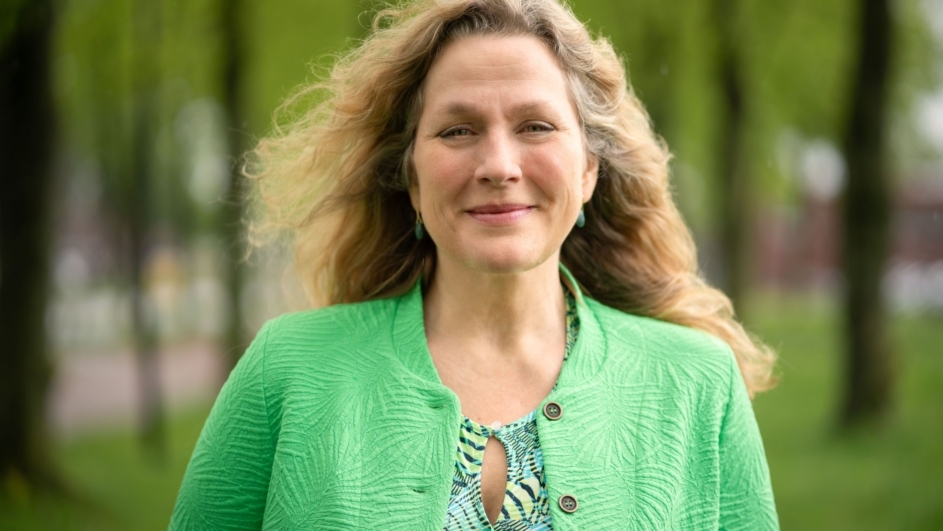
Opening Utrecht Science Week with keynote by Juliette Legler on the hidden influence of environmental chemicals
On Friday, September 25, the annual science festival ‘Utrecht Science Week’ kicks off once again at Utrecht Science Park. We are pleased to announce that this year, Prof. Dr. Ir. Juliette Legler will deliver the Utrecht Science Lecture. Juliette Legler is Professor of Toxicology at the Faculty of Veterinary Medicine at Utrecht University and leads the ‘One Health Toxicology’ group at the Institute for Risk Assessment Sciences (IRAS).
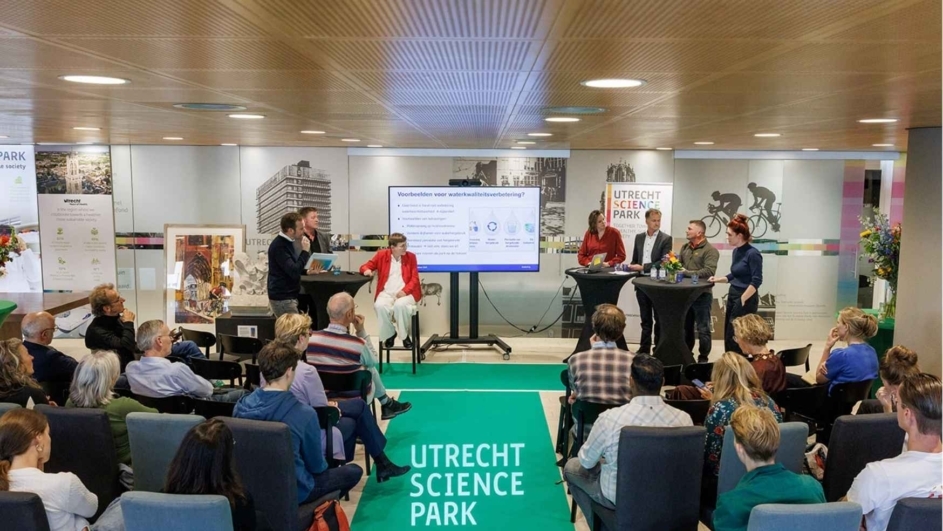
Interview with Michiel van der Stelt: Water dialogue during Utrecht Science Week: Dive into the Future of Our Water
Water affects everything from our health and nature to the way we design our cities and shape our economy. But how can we ensure that our water system remains resilient to climate change and other challenges in the future?
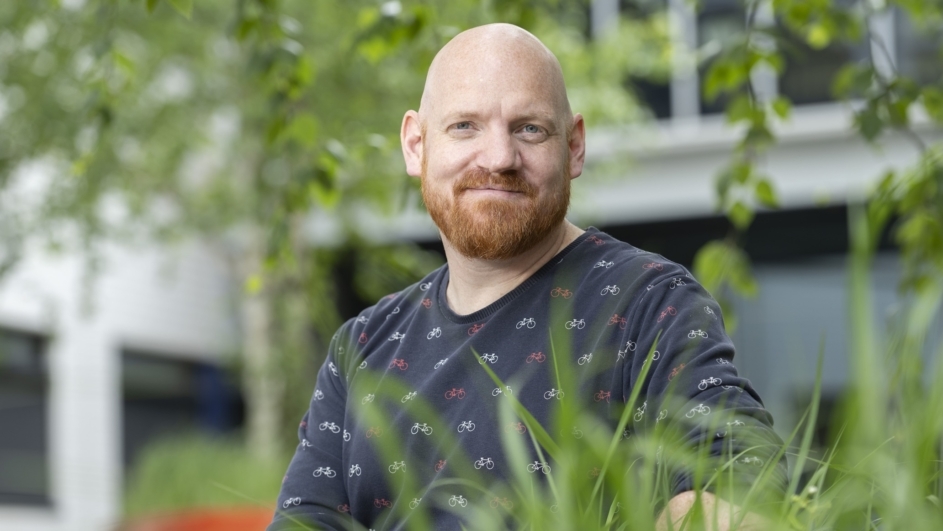
Interview: Thomas Hoogeboom on the future of Mobility & Health
Healthcare in the Netherlands is at a turning point. The new Societal Impact Platform Mobility & Health aims to connect knowledge and expertise across research disciplines, organizations and societal partners. We spoke to Thomas Hoogeboom, Professor of Physiotherapy Sciences and initiator of the platform, about the importance of mobility for health, the value of collaboration and what to expect from the kick-off during Utrecht Science Week.
Utrecht Science Week: René van Westen on a colder Netherlands in a warmer world
The Earth is warming, yet the Netherlands could face much colder winters in the future. It may sound contradictory, but the explanation lies in the Atlantic Meridional Overturning Circulation (AMOC), a large system of ocean currents that transports heat and salt through the Atlantic Ocean. This circulation plays an important role in the mild climate that we are accustomed to in the Netherlands.