Thousands of visitors from all ages at the Utrecht Science Park during the ‘Weekend van de Wetenschap’
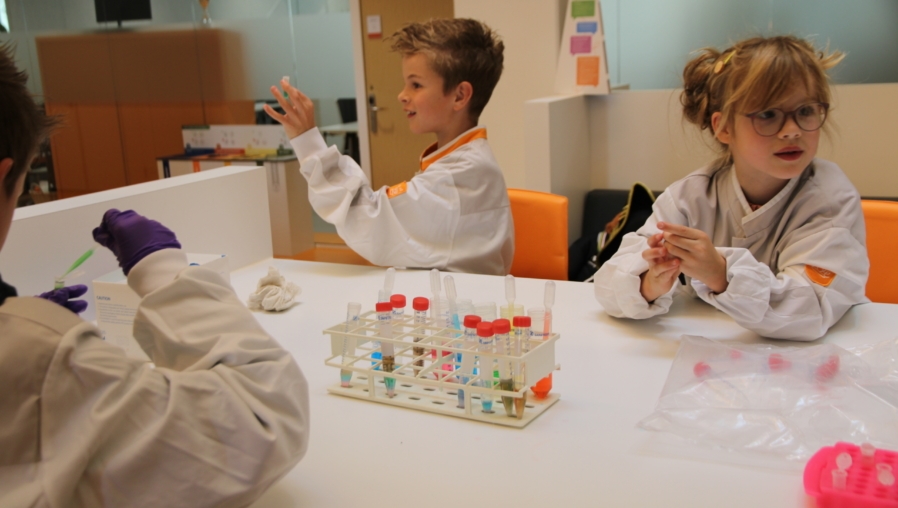
From growing cells to making your own flower bulbs. And from researching soil with fungi to practising in court. There was plenty to experience at the Utrecht Science Park during the ‘Weekend van de Wetenschap’ (Weekend of Science).
The Utrecht Science Week wrapped up with the ‘ Weekend van de Wetenschap’ on Sunday 6 October. Six organisations at the Utrecht Science Park opened their doors to science lovers of all ages.
Starting in the morning, visitors were already queuing up to discover science at the various organisations.
Throughout the day, it was nicely crowded around the Koningsberger building and the Botanic Gardens, where Utrecht University’s wide range of activities could be found, with experiments, presentations and experiments on various topics such as the brain, veterinary medicine, climate, law and health. In addition, visitors could do research at the Tuinlab in the Botanic Gardens.
At the Hubrecht Institute, the activities of the institute itself, the Westerdijk Institute and Regenerative Medicine Center Utrecht came together. Here, visitors could, among other things, isolate their DNA, make a fungus and look through the eyes of a doctor.
At the Wilhelmina Children’s Hospital (WKZ), visitors were introduced to bacteria in our bodies and there was an inflatable bowel through which they could walk as true bacteria. They also practised dealing with emotions, using VR glasses to practice different situations where these emotions arise.
The Princess Máxima Center opened its doors to introduce visitors to the world of researchers and, for a day, they were researchers themselves. Wearing lab coats, they did many experiments, were shown around the labs and gained knowledge at the mini-lectures.
The ‘Weekend van de Wetenschap’ at the Utrecht Science Park was a great success. It is great to see that even the younger audience can learn about science and the research being done here at the Utrecht Science Park in an accessible way. This was a great ending of the Utrecht Science Week.
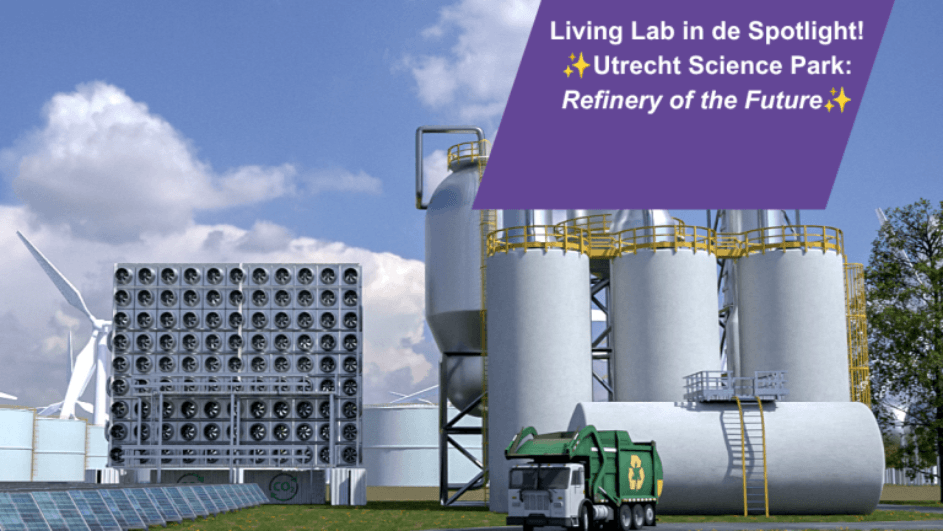
Living Lab in the Spotlight: Utrecht Science Park
Utrecht Science Park is home to several living labs focused on energy and circularity. These include Lumifield, which explores the generation and storage of solar energy, and the biogas digester, which uses organic waste as an energy source. On their own, these are already promising initiatives. Connected, they could become something much bigger: a functioning, learning model for a circular campus.
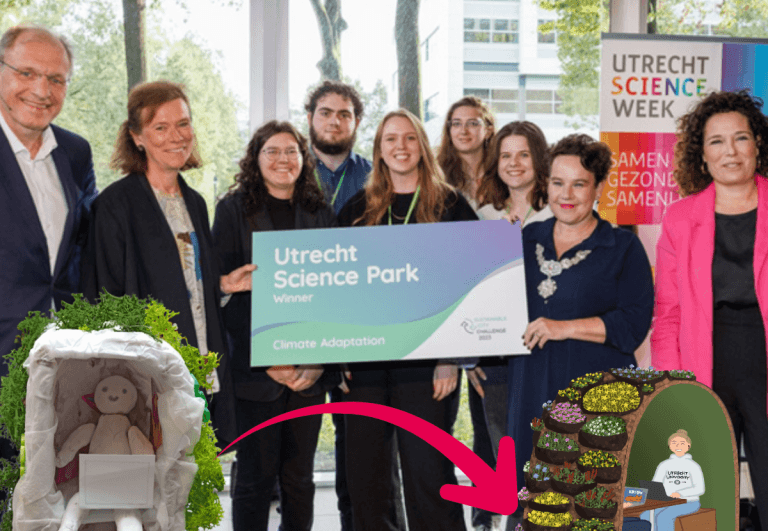
From student idea during challenge to ReGreen Hut at Dutch Design Week
On hot summer days, temperatures can rise significantly at Utrecht Science Park, while students are looking for places to study, relax and find some shade outdoors. At the same time, planting trees is not always straightforward: underground, the campus is crisscrossed by a dense network of cables and utility lines. So how can we create shade, greenery and places to relax without major changes to the ground?
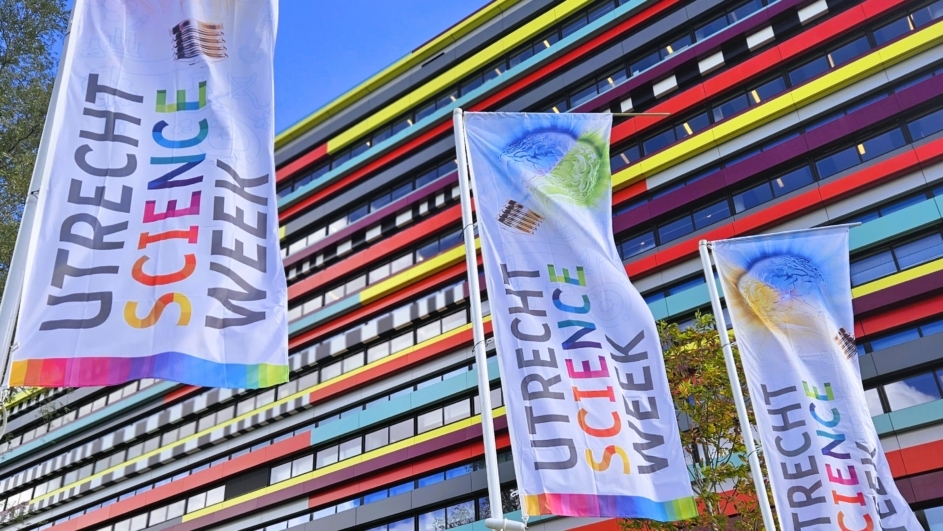
Utrecht Science Week kicks off: social and economic impact of Utrecht Science Park in the spotlight
The sixth edition of Utrecht Science Week takes place from Friday, 25 September to Sunday, 4 October. During this time, Utrecht Science Park opens its doors to the general public, showcasing how research, innovation, and collaboration lead to tangible societal and economic impact. At the same time, the week underscores the importance of sustained investment in knowledge and innovation.
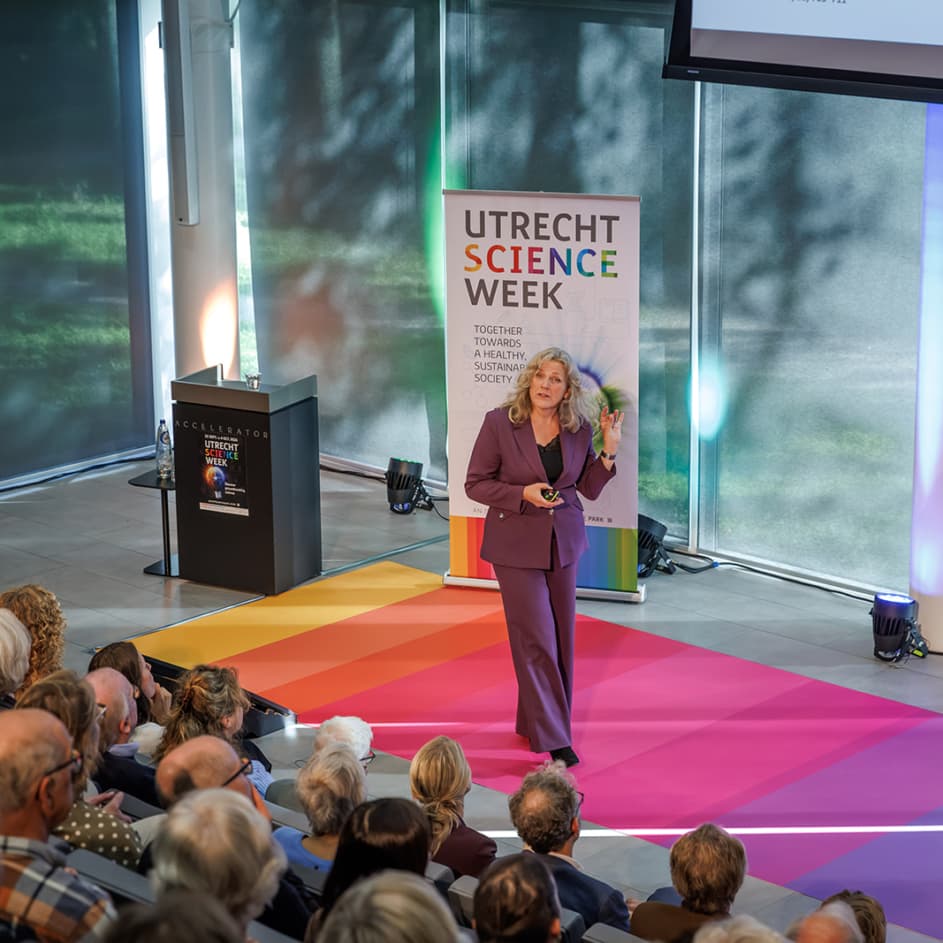
Looking back at Utrecht Science Week: research, education, and entrepreneurship in the spotlight
Utrecht Science Week 2026 has come to a close. For over a week, visitors enjoyed workshops, lectures, group discussions, and tours focused on science and innovation at Utrecht Science Park. With more than thirty program activities across over 25 locations, there were ample opportunities to experience science up close. We look back on a fantastic week that once again highlighted the essential role of collaboration, and the combination of research, education, and entrepreneurship, in addressing the societal challenges of our time.