Response to US study of CAR-T in childhood brain tumors
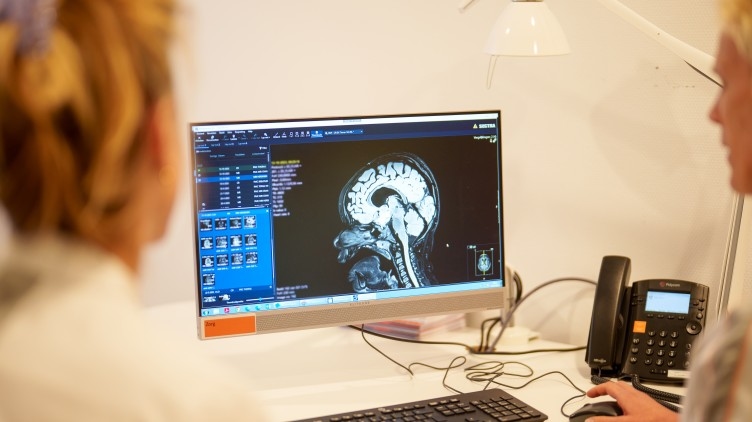
On 14 November 2024 Dutch national newspaper De Volkskrant writes about an American study into CAR-T for children with a brain tumor, and also features comment from Jasper van der Lugt and Friso Calkoen, pediatric oncologists at the Princess Máxima Center.
One of the eleven children and young adults with the incurable brain tumor DIPG who received CAR-T cell therapy appears to have been cured. Four years after the treatment, this 20-year-old young man is still alive. Nine of the eleven children in the study saw an improvement in their symptoms. In four of them, the tumor shrank. The average survival time increased by seven months. The study was published in Nature today.
Read the article in De Volkskrant here (behind a paywall).
Dr. Jasper van der Lugt, pediatric oncologist specializing in brain tumors, says: ‘The results are promising, but I am cautious. You had to be well enough and your tumor had to be small enough to take part in this study. And many of the children and young people in the study had received radiation shortly before the CAR-T cell therapy. That makes it hard to untangle the effect of the radiotherapy and the CAR-T treatment.
‘All children and young people in the study experienced serious side effects. With an incurable brain tumor, you sometimes take more risks, but it remains a precarious balance. Children with DIPG usually do not have long to live. It is important to carefully weigh the pros and cons of participating in a study of a new treatment. At the Máxima, we hope to open our own clinical trial at the end of next year into another type of CAR-T for children with a brain tumor, including DIPG.’
Dr. Friso Calkoen, pediatric oncologist specialized in CAR-T, adds: ‘So far, CAR T-cells have mainly worked on forms of blood cancer, such as leukemia. It is more difficult to get them to work in tumors in organs or tissues, because they have a kind of protective wall around them. They are also more difficult to distinguish from healthy tissue around them. All over the world, including here at the Princess Máxima Center, scientists are studying whether this promising form of immunotherapy can also work for brain and solid tumors.’
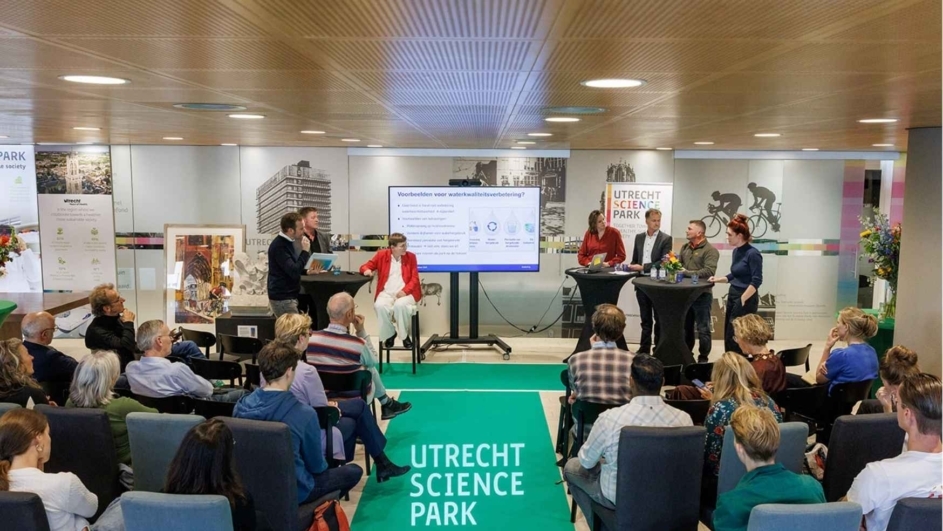
Interview with Michiel van der Stelt: Dive into the Future of Our Water
Water affects everything from our health and nature to the way we design our cities and shape our economy. But how can we ensure that our water system remains resilient to climate change and other challenges in the future?
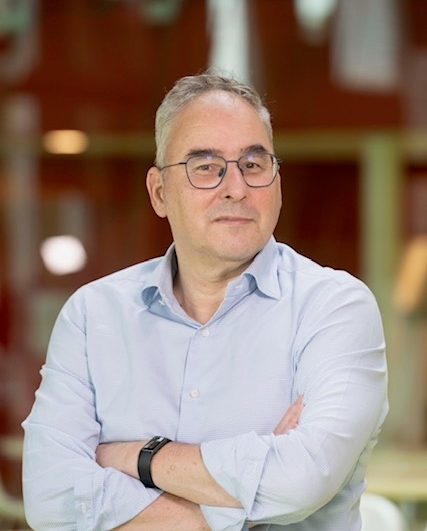
Talkshow ‘The New Utrecht Doctor’ during the Utrecht Science Week: What Will the Doctor of the Future Look Like?
What will the doctor of the future look like? Changing insights into healthcare, technological developments such as AI, and evolving patient expectations call for a renewed approach to medical education. That is why UMC Utrecht is updating its medical curriculum under the name The New Utrecht Doctor
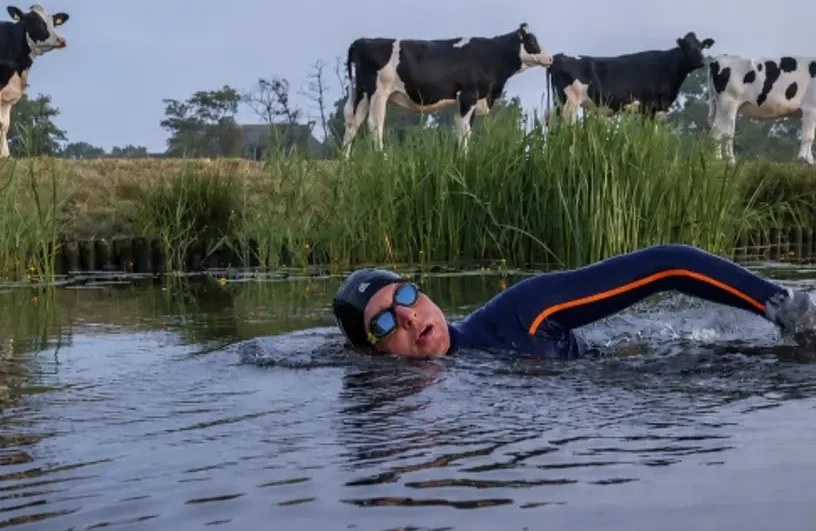
Olympic champion Maarten van der Weijden swims one last time, now for the Máxima
Maarten van der Weijden is putting on his swimming suit one last time to raise money for cancer research. From 17 to 22 August, he will swim an incredible 270 kilometers through 22 cities, with the Princess Máxima Center as his final destination. With this special challenge, he is raising money for pioneering research into the immediate and long-term effects of childhood cancer.
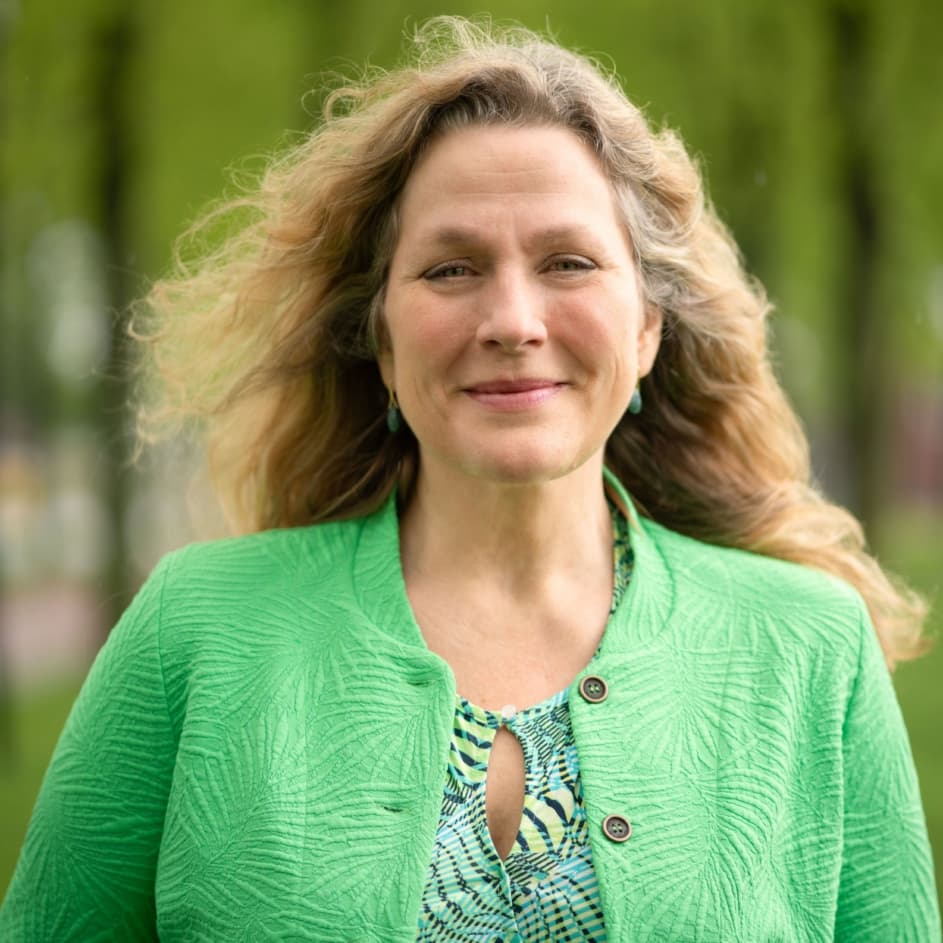
Opening Utrecht Science Week with keynote by Juliette Legler on the hidden influence of environmental chemicals
On Friday, September 25, the annual science festival ‘Utrecht Science Week’ kicks off once again at Utrecht Science Park. We are pleased to announce that this year, Prof. Dr. Ir. Juliette Legler will deliver the Utrecht Science Lecture. Juliette Legler is Professor of Toxicology at the Faculty of Veterinary Medicine at Utrecht University and leads the ‘One Health Toxicology’ group at the Institute for Risk Assessment Sciences (IRAS).