Research Princess Máxima Center: online sleep course helps young people after childhood cancer
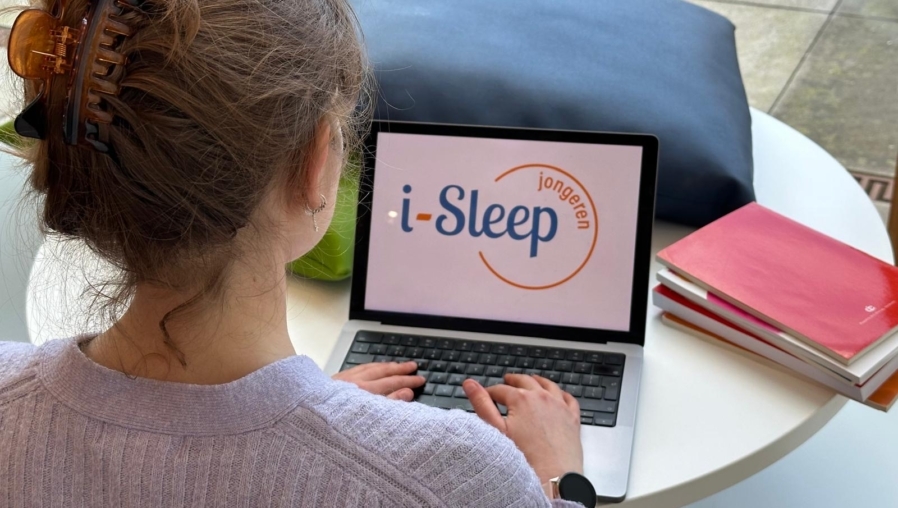
A recent study examined the effectiveness of iSleep, an online sleep course based on cognitive behavioral therapy. The results show that iSleep has a positive effect on insomnia, fatigue, and quality of life. This improves the care for adolescents and young adults who experience sleep problems after childhood cancer.
Many adolescents and young adults who have had childhood cancer struggle with sleep problems. Insomnia is the most common. Previous research by Shosha Peersmann shows that only a small portion of this group receives help.
Online sleep course
Previous studies have shown that iSleep helps with sleep problems in different populations, such as women who have had breast cancer. The research at the Princess Máxima Center focused specifically on adolescents and young adults after childhood cancer. Hinke van der Hoek, a PhD- student in the Grootenhuis group, conducted the study and says: ‘The adolescents followed a five-lesson online program that included sleep hygiene, relaxation, and restructuring thoughts about sleep. Participants were randomly assigned to either the intervention group or the wait-list group. This design is called a ‘randomized controlled trial’, the gold standard for effectiveness studies. [link to article].
Effective sleep intervention
Results of the study show that participants experienced less insomnia and fatigue and improved quality of life. These effects were seen at three and six months and appeared to remain stable at 12 months. This suggests a long-term effect. Participants rated iSleep as helpful and particularly appreciated the opportunity to work independently on their sleep problems within the program.
Worry quarter
In addition to the scientific results, the personal experiences were also special. Hinke van der Hoek says: ‘Despite the fact that it was an online intervention, I built a connection with the participants. They shared their experiences and the positive reactions in the last lesson were nice to hear. The young people reported being more relaxed in bed and less worrying. Some actively practiced a ‘worry quarter’ which helped them better release their thoughts before bed.’
Follow-up research
The success of iSleep opens the door to further implementation. Hinke: ‘Together with the psychology department and pediatric oncologist Raphaële van Litsenburg (also manager care of the LATER clinic), we are looking into whether and how this or similar sleep interventions can be offered structurally within the Princess Máxima Center.’ This would be an important step towards improving the care of young people with sleep problems after childhood cancer.

Olympic champion Maarten van der Weijden swims one last time, now for the Máxima
Maarten van der Weijden is putting on his swimming suit one last time to raise money for cancer research. From 17 to 22 August, he will swim an incredible 270 kilometers through 22 cities, with the Princess Máxima Center as his final destination. With this special challenge, he is raising money for pioneering research into the immediate and long-term effects of childhood cancer.
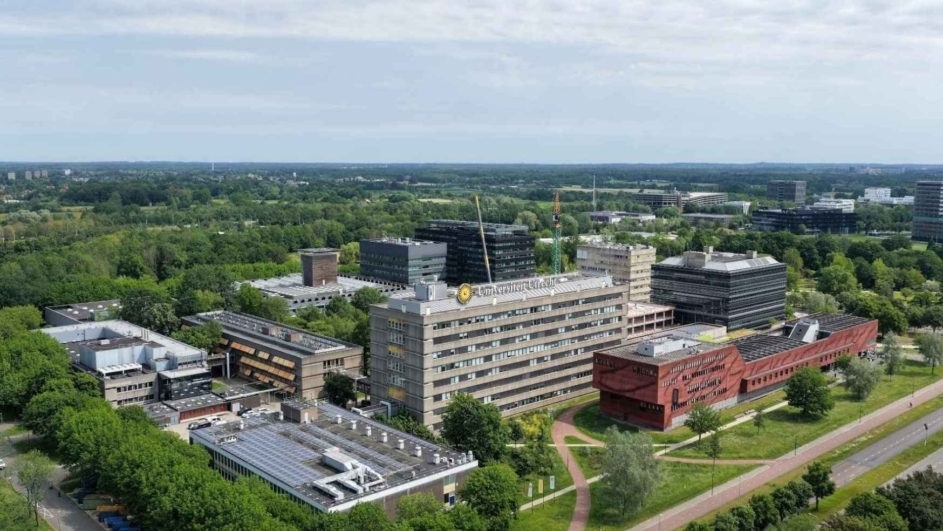
New exit for construction traffic at the Utrecht Science Park
Various construction works are taking place in the north-west cluster of Utrecht Science Park. This is the area where the Minnaert Building and the Buys Ballot Building, amongst others, are located. To ensure that construction traffic flows more safely and efficiently through the area, a new exit is being constructed from Sorbonnelaan to Leuvenlaan.

Eliminating cancer with light
Killing tumors with light. Is that something for the distant future? Certainly not! UMC Utrecht and start-up Lumox are now going to test an innovative therapy in a first patient study.
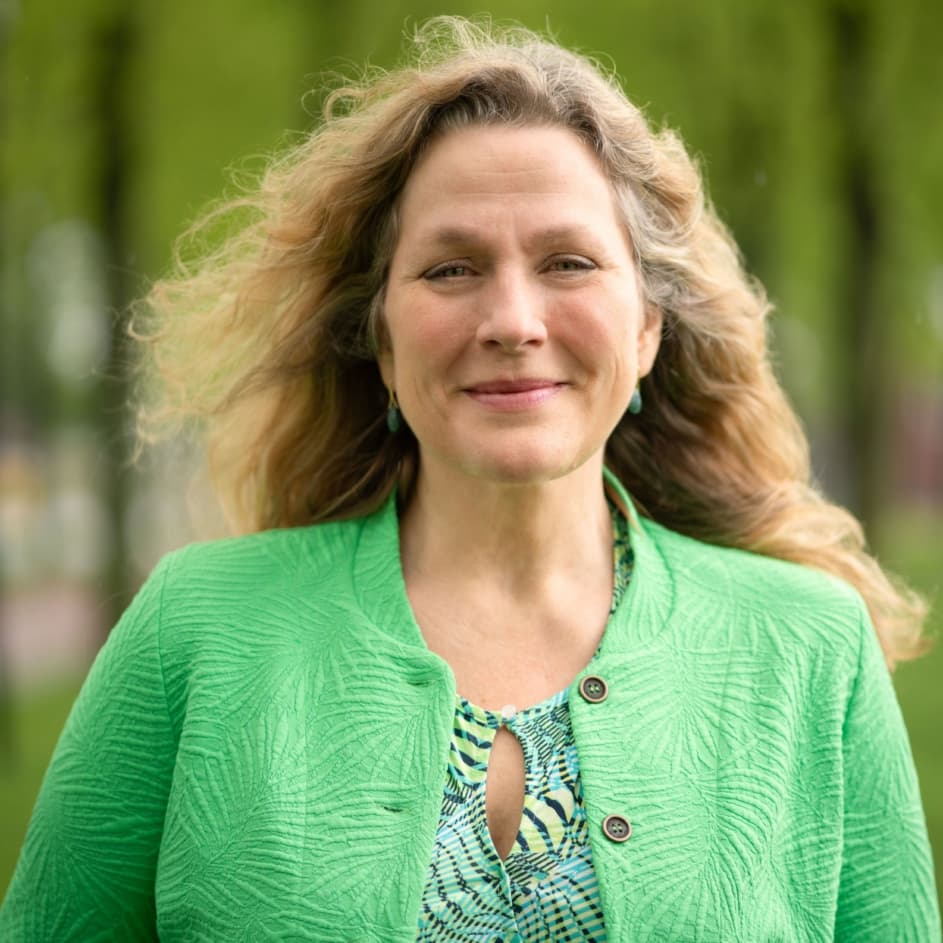
Opening Utrecht Science Week with keynote by Juliette Legler on the hidden influence of environmental chemicals
On Friday, September 25, the annual science festival ‘Utrecht Science Week’ kicks off once again at Utrecht Science Park. We are pleased to announce that this year, Prof. Dr. Ir. Juliette Legler will deliver the Utrecht Science Lecture. Juliette Legler is Professor of Toxicology at the Faculty of Veterinary Medicine at Utrecht University and leads the ‘One Health Toxicology’ group at the Institute for Risk Assessment Sciences (IRAS).