Research on hereditary heart muscle disease offers new tools for sports advice

New research on the inherited heart muscle disease hypertrophic cardiomyopathy (HCM) shows that sports are generally safe for people with an inherited predisposition to this condition. Only intensive practice of high-dynamic sports, such as soccer and field hockey, was found to increase the risk of ventricular arrhythmias. These insights provide new tools for giving personalized sports advice and preventing unnecessary cessation of exercise.
Hypertrophic cardiomyopathy (HCM) is an inherited heart muscle disease in which the heart muscle is thickened. A thickening of the heart muscle can also occur from non-hereditary causes, such as long-standing high blood pressure or from elite sports. Heart muscle disease can lead to symptoms such as dizziness, road rage or sometimes sudden death from cardiac arrhythmias. In the Netherlands, it is estimated that about 1 in 500 adults has characteristics of this hereditary heart muscle disease.
Researchers from UMC Utrecht, Amsterdam UMC and UMC Groningen investigated the relationship between sports and the hereditary heart muscle disease HCM. They looked at whether practicing sports and what type of sport accelerates the development of the hereditary heart muscle disease or makes it worse. In doing so, they looked at mutations, hereditary predisposition errors, which are common in the Netherlands. They concluded that sports in general did not lead to life-threatening arrhythmias or severe thickening of the heart muscle and the earlier onset of the hereditary heart muscle disease. This includes high-static sports such as weightlifting, windsurfing and skiing.
Increased risk of ventricular arrhythmias only in high-intensity sports
The researchers did see more potentially life-threatening arrhythmias in the quarter most active people who played high-dynamic sports, such as soccer, field hockey and tennis. They had a three times increased risk of ventricular arrhythmias than people who did not play these high-dynamic sports. While the results show that sports are generally safe, these high-dynamic sports should be practiced with caution. “The results of our study provide new tools for personalized sports advice for people with hereditary heart muscle diseases,” said Peter van Tintelen, professor of cardiogenetics at UMC Utrecht University Medical Center. “This research helps provide tailored sports advice and prevent these people with hereditary heart muscle disease from unnecessarily stopping exercising.”
Collaborative research sports activities
For this study, 188 people with an average age of 43 years were interviewed about their sports activities since the age of ten. The study was initiated by the departments of Genetics and Cardiology of UMC Utrecht and conducted together with the departments of genetics/cardiology of Amsterdam UMC and UMC Groningen. The study was recently published in Circulation Genemics and Precision Medicine.
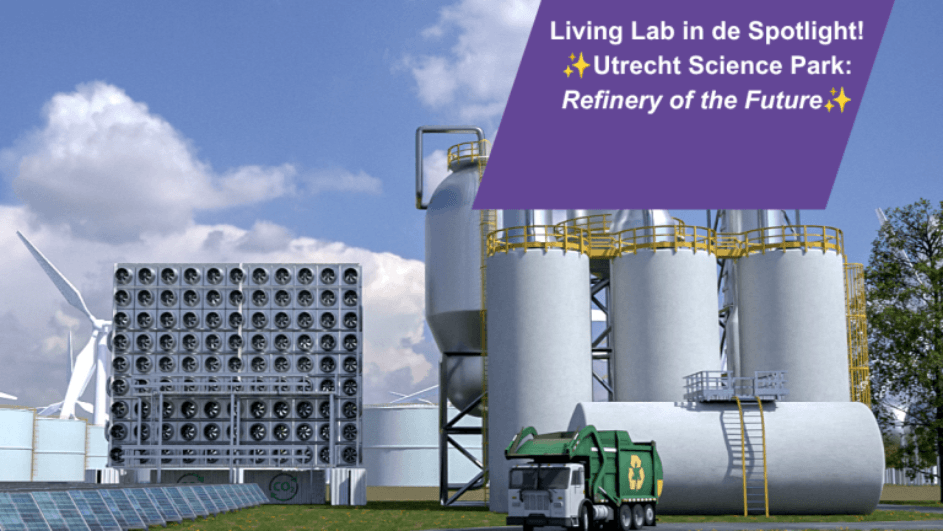
Living Lab in the Spotlight: Utrecht Science Park
Utrecht Science Park is home to several living labs focused on energy and circularity. These include Lumifield, which explores the generation and storage of solar energy, and the biogas digester, which uses organic waste as an energy source. On their own, these are already promising initiatives. Connected, they could become something much bigger: a functioning, learning model for a circular campus.
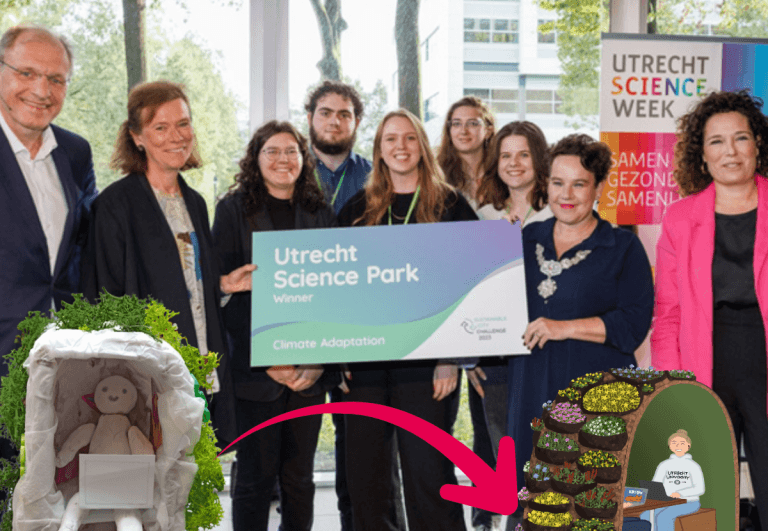
From student idea during challenge to ReGreen Hut at Dutch Design Week
On hot summer days, temperatures can rise significantly at Utrecht Science Park, while students are looking for places to study, relax and find some shade outdoors. At the same time, planting trees is not always straightforward: underground, the campus is crisscrossed by a dense network of cables and utility lines. So how can we create shade, greenery and places to relax without major changes to the ground?
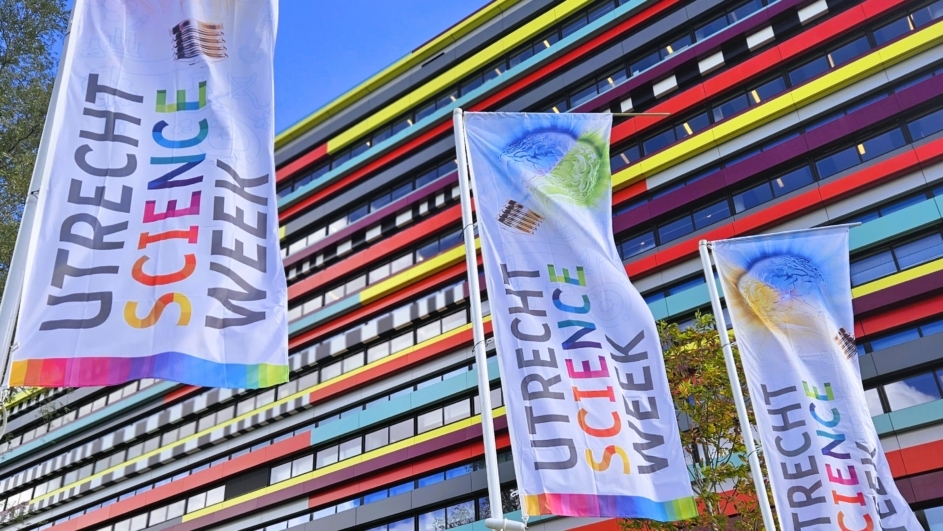
Utrecht Science Week kicks off: social and economic impact of Utrecht Science Park in the spotlight
The sixth edition of Utrecht Science Week takes place from Friday, 25 September to Sunday, 4 October. During this time, Utrecht Science Park opens its doors to the general public, showcasing how research, innovation, and collaboration lead to tangible societal and economic impact. At the same time, the week underscores the importance of sustained investment in knowledge and innovation.
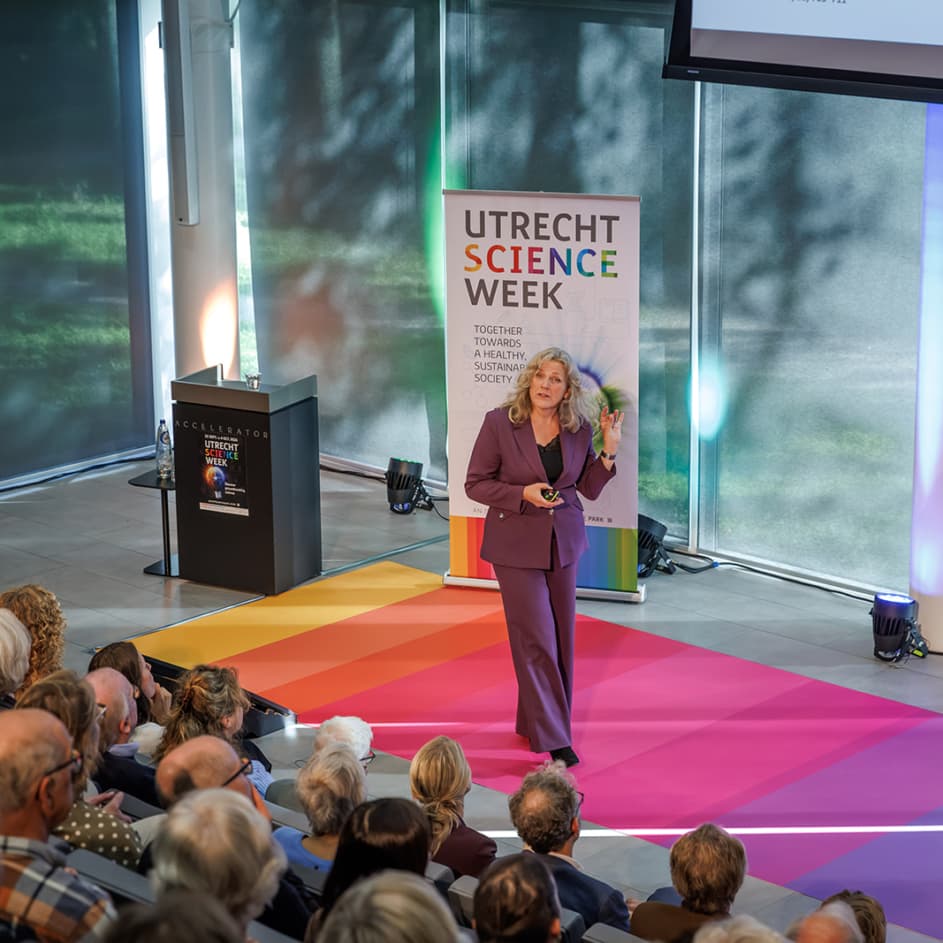
Looking back at Utrecht Science Week: research, education, and entrepreneurship in the spotlight
Utrecht Science Week 2026 has come to a close. For over a week, visitors enjoyed workshops, lectures, group discussions, and tours focused on science and innovation at Utrecht Science Park. With more than thirty program activities across over 25 locations, there were ample opportunities to experience science up close. We look back on a fantastic week that once again highlighted the essential role of collaboration, and the combination of research, education, and entrepreneurship, in addressing the societal challenges of our time.