Cooperation Wilhelmina Children’s Hospital and Princess Máxima Center: young adults in paediatric ICU
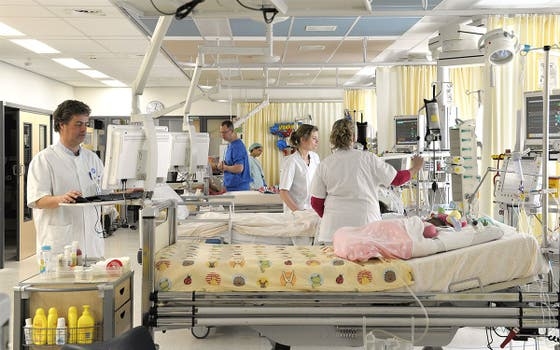
After careful coordination, the Wilhelmina Children’s Hospital and the Princess Máxima Center have decided that young adults from the Princess Máxima Center will, in principle until the age of 21, be treated in the paediatric ICU at the Wilhelmina Children’s Hospital.
In most cases, young adults from the age of 18 go to the Intensive Care for adults but to give continuity to paediatric cancer treatment, this will be different for children with cancer from now on. Wilhelmina Children’s Hospital, UMC Utrecht and the Princess Máxima Centre are committed to providing optimal cancer care for children, adolescents and young adults.
Louis Bont, head of the Children’s Division at UMC Utrecht/WKZ: ‘At the Wilhelmina Children’s Hospital and UMC Utrecht, everything revolves around life-course care; from before birth into adulthood. Here, special attention is paid to the transition from childhood to young adulthood. And especially when dealing with the consequences of cancer.’
Wouter Kollen, Clinical Director Quality of Life at the Princess Máxima Centre, says: ‘With this agreement, we ensure that the accumulated expertise in the ICU around children with cancer, is maximised and that the support of our children and young adults is also as optimal as possible.’ Of course, this takes into account the young adult’s individual needs and available capacity. This concerns vulnerable patients and their loved ones in specific situations where customization and care are always of great importance.
Young adults
The period of young adulthood is a special phase in everyone’s life with many challenges. In general terms, paediatricians care for chronically ill children until the age of 18. After that, they transition to adult care. This transition is called transition care and requires careful preparation and supervision. This ensures that young adults maintain confidence in care, remain compliant and that the course of the disease and follow-up are not adversely affected. By providing intensive care in the paediatric ICU to young adults up to 21 years of age, another step has been taken in improving care for children with cancer in the Netherlands.
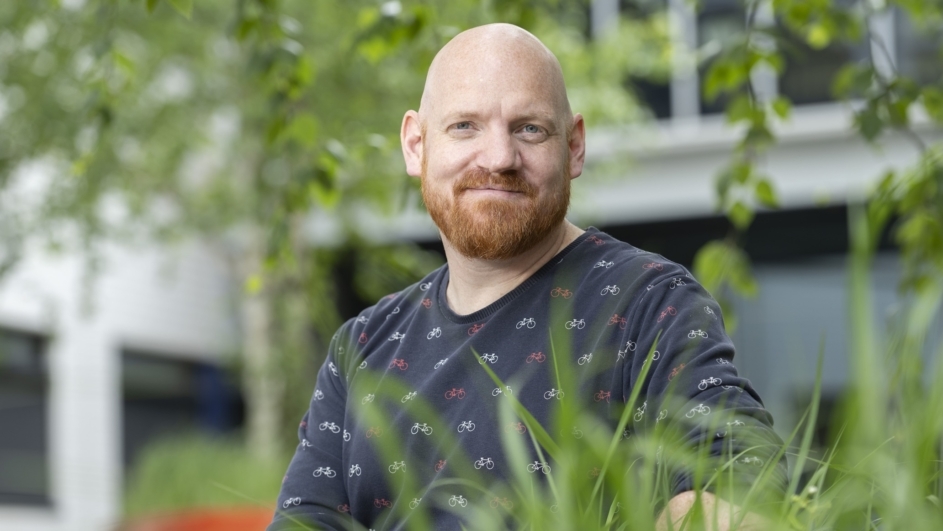
Interview: Thomas Hoogeboom on the future of Mobility & Health
Healthcare in the Netherlands is at a turning point. The new Societal Impact Platform Mobility & Health aims to connect knowledge and expertise across research disciplines, organizations and societal partners. We spoke to Thomas Hoogeboom, Professor of Physiotherapy Sciences and initiator of the platform, about the importance of mobility for health, the value of collaboration and what to expect from the kick-off during Utrecht Science Week.

How UtrechtInc. helps startups grow
From a promising idea to a startup: getting there takes more than a good idea. UtrechtInc is a startup incubator that supports students, researchers and entrepreneurs in the Utrecht region during the early stages of their startup. Through validation programmes, personal guidance and a network of experts and investors, UtrechtInc helps founders develop and test their ideas.

The new sports season at Olympos has kicked off again
The holidays are over, and the sports season has kicked off again! With packed schedules and tight deadlines, it is tempting to just keep working. Before you know it, you’ve spent hours in front of your screen or in the lab without taking a real break. Especially when things are busy, physical activity can help you unwind and gain new energy and inspiration.
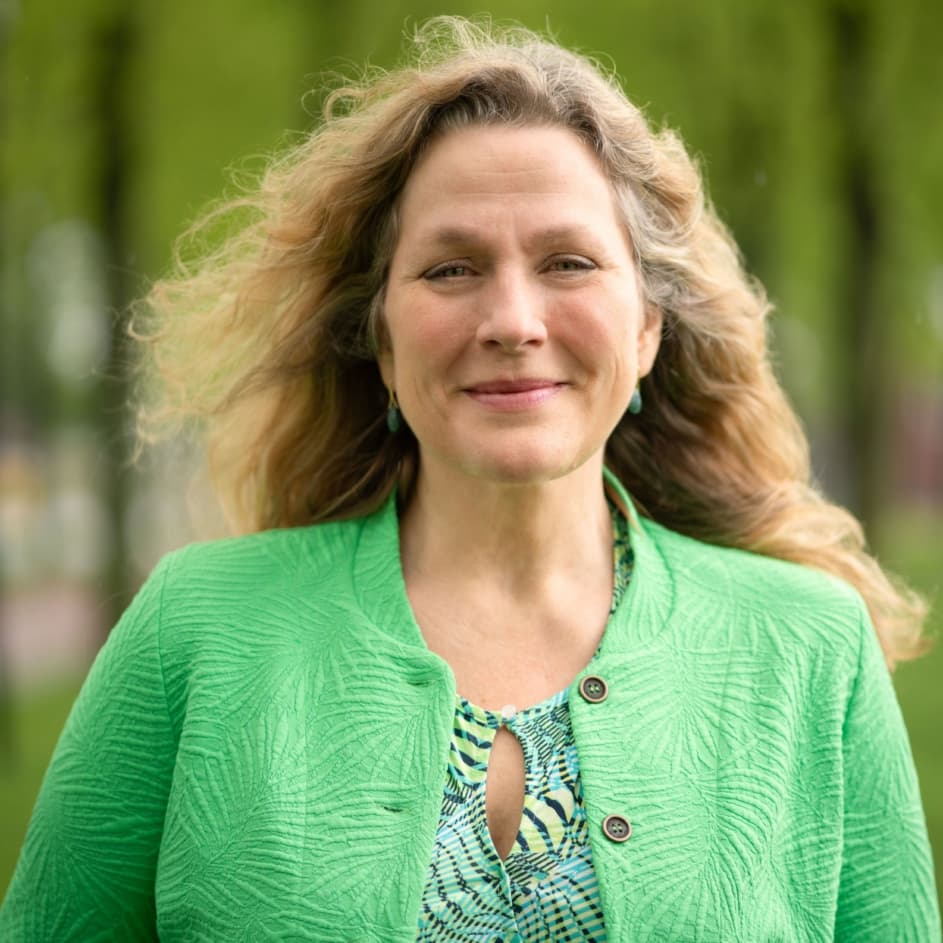
Opening Utrecht Science Week with keynote by Juliette Legler on the hidden influence of environmental chemicals
On Friday, September 25, the annual science festival ‘Utrecht Science Week’ kicks off once again at Utrecht Science Park. We are pleased to announce that this year, Prof. Dr. Ir. Juliette Legler will deliver the Utrecht Science Lecture. Juliette Legler is Professor of Toxicology at the Faculty of Veterinary Medicine at Utrecht University and leads the ‘One Health Toxicology’ group at the Institute for Risk Assessment Sciences (IRAS).