Research launched into the safety of cycling routes in the province of Utrecht
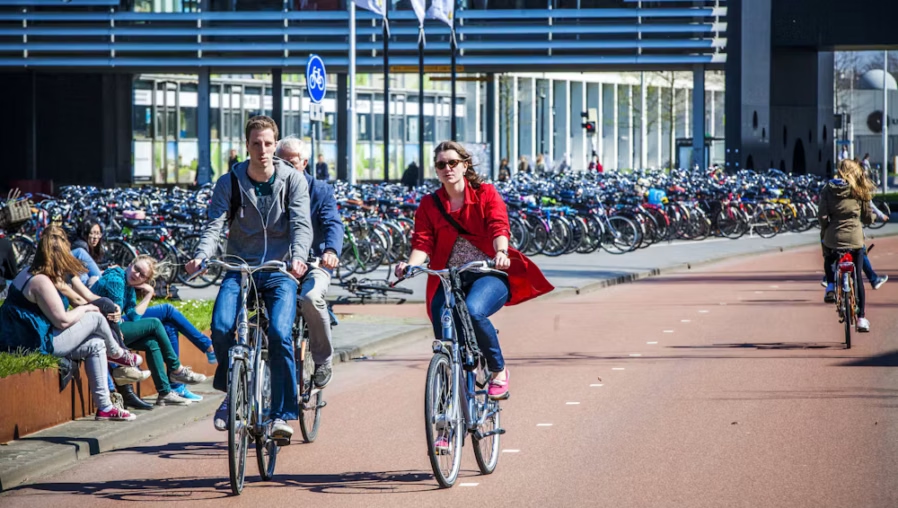
A new study into cycling routes in the Province of Utrecht aims to identify how routes can be designed to not only improve safety, but also contribute to health and well-being. The research project, conducted by Utrecht University of Applied Sciences, places particular emphasis on women’s perceptions of safety while cycling.
The Province of Utrecht is committed to promoting cycling as a sustainable and healthy mode of transport. However, not everyone feels equally safe on cycling routes. According to the province, women and girls in particular feel unsafe in certain situations in public spaces. Bicycle and pedestrian tunnels are among the places where people’s sense of safety can be compromised.
Subjective and objective safety
The research focuses on both the subjective and objective safety of women using fast cycling routes and other major cycling connections in the Province of Utrecht. It also examines how the design of the surrounding environment can encourage greater bicycle use, enhance people’s sense of safety and improve mental health.
Lucas Harms, endowed professor of Smart & Sustainable Urban Mobility at Utrecht University of Applied Sciences, explains:
“A safe cycling environment is not just about traffic safety, but also about how people experience a route. When people feel safer, they are more likely to cycle. This has positive effects on health, well-being and sustainable mobility.”
Eye-tracking while cycling
The research combines several methods, including a literature review, expert sessions, design-based research and real-world monitoring.
One notable element is the use of eye-tracking technology. Participants cycle along preselected sections of a fast cycling route while wearing special glasses. These glasses record where cyclists look and how they respond to their surroundings.
This allows researchers to investigate how factors such as darkness, lighting, the design of public spaces and unexpected situations affect people’s sense of safety. The research also draws on the results of a survey conducted earlier this year among users of a fast cycling route in the province.
Recommendations
The findings are intended to provide practical guidance for policymakers and public-space designers. The research examines environmental interventions such as lighting, sightlines, landscaping and route design, and how these may contribute to greater safety and comfort for cyclists.
The research will result in a report containing concrete recommendations for designing cycling routes that promote social safety. The key findings will be presented at a seminar in spring 2027.