Prinses Máxima Centrum International expands its impact in Indonesia
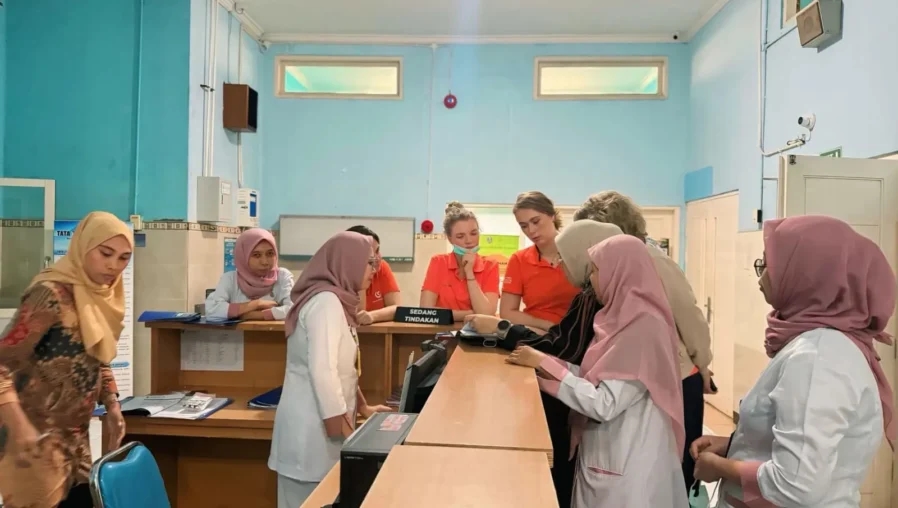
Máxima International, the department that aims to improve local cure rates through collaboration with hospitals outside the Netherlands, has established two new twinning partnerships in Indonesia. Last month, Dr. Cipto Mangunkusumo National Central Public Hospital and Dr. Soetomo Hospital were added to the existing collaborations in Yogyakarta and Bandung. Prinses Máxima Centrum now collaborates with all four hospitals where paediatric oncologists are trained, with the goal of improving the survival rates and quality of life of all children with cancer in Indonesia.
10,000 children with cancer each year
Indonesia is the fourth most populous country in the world, an archipelago consisting of more than 17,000 islands. Every year, more than 10,000 children in Indonesia develop cancer, but it is estimated that only half receive a diagnosis, while the cure rate remains below 30%. This stands in sharp contrast to the 75–80% survival rate for children with cancer in the Netherlands. Regional differences in healthcare facilities play a major role in this: in some areas, access to specialized care is extremely limited. As a result, diagnoses are often made late and timely, effective treatment may not be available.
Dr. Cipto Hospital has a rich history dating back to 1851. What started as a training institute for medical assistants has grown into the largest academic hospital in Indonesia, affiliated with the University of Indonesia. Each year, it treats more than 300 children with cancer.
Dr. Soetomo Hospital is also an academic hospital, affiliated with Airlangga University. This hospital treats more than 200 children with cancer annually.
Improving survival rates and quality of life
Máxima International works together with these partners to improve the survival rates and quality of life of children with cancer through healthcare, research, education, data registration, and advocacy.
Healthcare
In the field of healthcare, the collaboration focuses on improving diagnostics, adjusting treatment and supportive care protocols, establishing psychosocial care, and supporting infrastructure improvements to reduce delays in care.
Research
In research, we collaborate in Indonesia on a broad range of studies, from access to care to supportive care and disease outcome analyses. For example, it is not yet known whether most children die from treatment toxicity, because treatment is refused or stopped prematurely (abandonment), or because the disease returns (relapse).
Education
The education pillar focuses on training colleagues from partner centres on site by Máxima professionals, or training local teams at Máxima to learn how to work together as a multidisciplinary team.
Data registration
For data registration, we support partners in setting up and strengthening registration systems, enabling proper evaluation of care, epidemiological analyses, and hopefully future participation in international studies.
Advocacy
In the area of advocacy, we support partners in collaborating with hospital management, local foundations, and the Ministry of Health. Ultimately, this contributes to better access to high-quality care and is essential for sustainable systemic change.
Through these collaborations, we contribute to improving both the survival rates and quality of life of children with cancer in Indonesia.