Iva Bicanic on the Utrecht Science Week
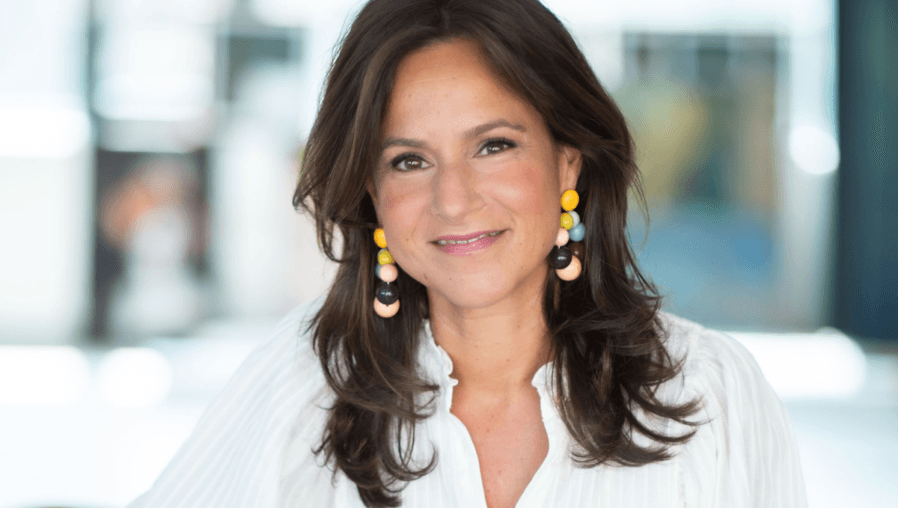
Through experiments, workshops, tours, and lectures, researchers share their knowledge during the Utrecht Science Week (USW). One of them is Iva Bicanic, professor Sexual abuse of children: the consequences and treatment at the UMC Utrecht.
About Iva Bicanic and the Utrecht Science Week
Iva Bicanic is Professor of ‘Child Sexual Abuse: Consequences and Treatment’ at Utrecht University, affiliated with UMC Utrecht. She will be appearing at the Betweterfestival on September 25 at Tivoli Vredenburg, along with a number of others. Visit the website for more information about the various activities during Utrecht Science Week and order your tickets directly for the Know-it-all festival.
Iva, why do you think it is important for researchers to share their knowledge outside the hospital and the university as well?
Child sexual abuse is a persistent societal problem deeply intertwined with power imbalances, social norms, loyalty, and cultures of silence. It entails serious consequences and high societal costs and is shrouded in shame and secrecy. To tackle this complex issue, broad change is needed. The most important thing is that it becomes open for discussion, that the silence is broken.
My message: sexual abuse of children is not normal, but we simply need to talk about it. We need to better understand what sexual abuse is, how we can encourage children to talk about secrets sooner, and how we as adults should respond. These are slow processes of change that can succeed if insights from research reach children, parents, teachers, care providers, policymakers, and the general public, rather than remaining confined within the walls of a university or hospital.
When do you notice that scientific knowledge really changes something in society?
I notice this when research helps people understand themselves better and societal views change. Knowledge about the harmful effects of victim blamingThe fact that freezing can be an automatic physical reaction to danger, and that genital reactions can occur automatically during sexual abuse, leads to more understanding and less judgment. When that knowledge offers recognition to victims, helps professionals connect better, and breaks taboos, I see how scientific knowledge has an impact. I find it equally valuable when parents say in the consulting room: ‘Now I finally understand why my child didn’t say anything to us for so long.’ Then science takes on immediate societal significance.”
You are speaking at the Betweter Festival about sexual abuse of boys and men. Why is a conversation with the audience about this important?
Because silence is often part of the problem. There are many misconceptions about the sexual abuse of boys and men. For instance, it is often thought that it is rare or less severe than for girls. As a result, many boys and men are not seen, heard, and sometimes not helped either. Research can help break those myths. But that will only succeed if we engage in a dialogue with the public. Especially with sensitive topics, knowledge can contribute to recognition, understanding, and lowering barriers to seeking help.
What do you learn as a scientist from conversations outside your own field?
Science is not a one-way street. When I talk to people who have experienced it themselves, I hear different perspectives and questions. People with lived experience play an indispensable role in research into sexual transgression. Sometimes they expose blind spots or point out topics that have not yet been sufficiently researched. These conversations make research more relevant and sharper. That is why it is STEM panel established, where nearly 1,500 people with lived experience have now registered. They participate anonymously in research and thereby contribute to new knowledge about the impact and approach to sexual misconduct.”
Why do you think it is important for researchers to participate in festivals, public gatherings, or other conversations with society?
Because science ultimately has a public mandate. Much research is made possible by public funds and is intended to better understand and address societal issues. It is therefore part of our responsibility to explain what we do, what we know, and what we do not yet know. Festivals and public gatherings offer an opportunity, as they generate wonderful conversations, new insights, and sometimes research questions. Moreover, I believe that science becomes stronger when it is visible, accessible, and connected to the society for which it is intended.