HU University of Applied Sciences Utrecht becomes more sustainable with a biodigester
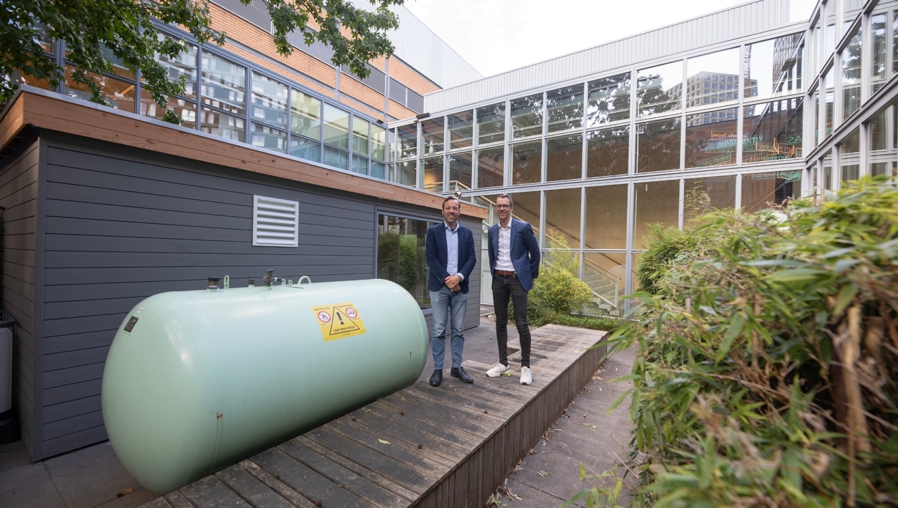
On Thursday, October 2nd, HU University of Applied Sciences Utrecht celebrated the installation of an innovative biodigester during the Utrecht Science Week. This system converts vegetable, fruit, and food waste (organic waste) into biogas, contributing to a more sustainable campus. The biodigester also serves as a testing ground for education and research, and as an inspiring example for the region. This demonstrates how Utrecht University of Applied Sciences is putting its sustainability ambitions and mission-driven initiatives into practice.
Scale Model for Cities
But the digester has more impact than just sustainability. It is also a textbook example of interdisciplinary collaboration: technology, communication, education, and research converge here. Hermen: “The biodigester offers students and researchers a testing ground for learning, experimenting, and innovating, thus contributing to solutions for complex sustainability issues.” Utrecht Science Park is the perfect location for this, says Arjan Brenkman, program manager of Chemistry and Chemical Technology: “The campus is well-organized and clearly defined, making it a scale model for how neighborhoods, cities, and even countries can be designed in a circular manner. How cool is it that as a student, you can already contribute to this during your program!”
More than technology
The biodigester offers opportunities for more than just technological learning. Legal, logistical, and social issues also arise within the system. How do you organize the collection of biowaste? What agreements are needed to ensure this system operates fairly and efficiently? And how do you ensure that staff and students separate their waste so that the digester performs optimally? For example, students have already contributed to a ready-made logistics plan for using organic waste from the food courts as fuel, and students from the Communication, Communication & Multimedia Design, and Industrial Engineering and Management programs are working on the project.
Shared ambitions
The biodigester is a further development of earlier prototypes. The interdisciplinary research and education is an initiative of the Chemical Technology program at the Institute for Life Sciences & Chemistry of Utrecht University of Applied Sciences. Also see the HU Story that was created about this. The HU research group Innovative Testing in Life Sciences & Chemistry assisted with the research into expanding and optimizing the fermentation process. The startup CIRC is the driving force behind the development of the system, and with a contribution from the Utrecht Business Fund, the role of the fermenter in the energy mix of the Utrecht Science Park campus is being investigated. In short, many parties are coming together here in their shared ambitions for a circular society.
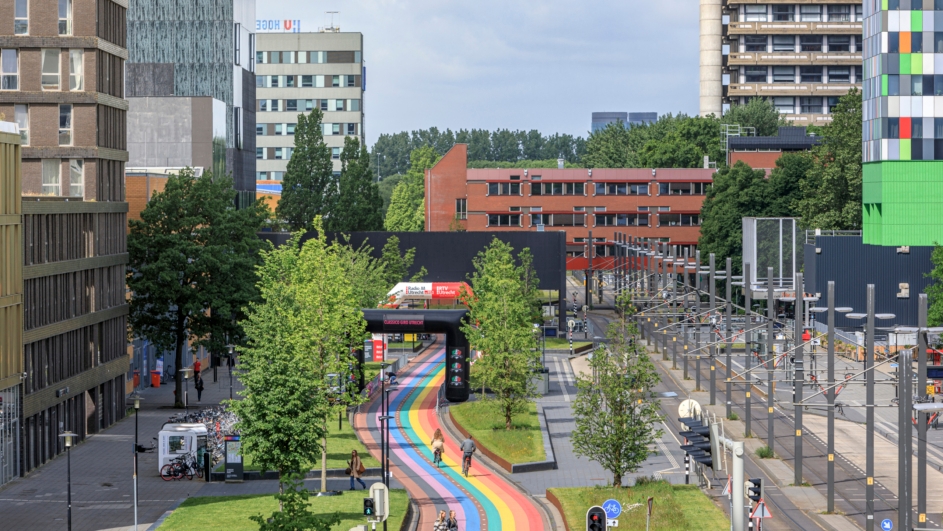
Utrecht University and UMC Utrecht awarded with twelve NWO Vidi-grants
The Dutch Research Council (NWO) has awarded Vidi grants to 109 researchers. Twelve leading researchers at Utrecht University and UMC Utrecht will each receive a Vidi grant of up to €850,000. NWO awards Vidi grants annually, enabling recipients to develop an innovative line of research over the next five years and further expand their research teams.
ReVoice restores one’s own voice after voice loss
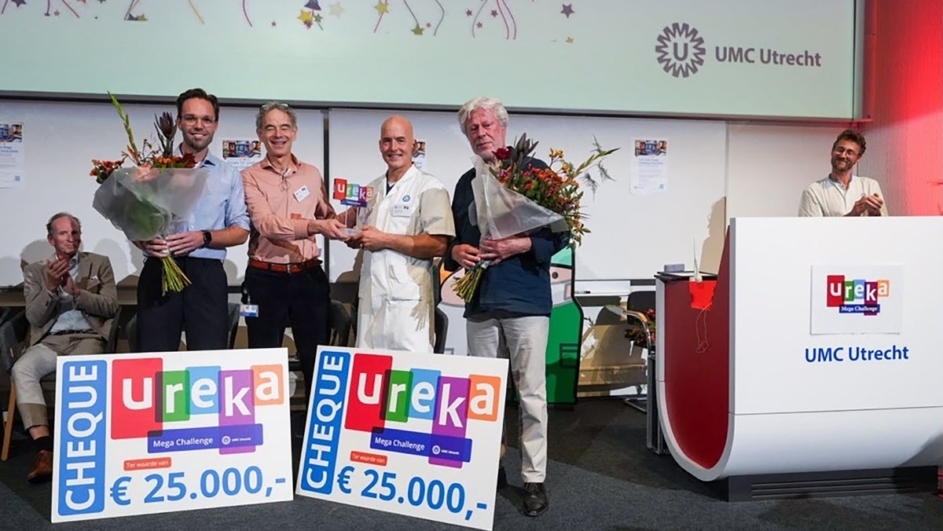
People who lose their voice, for example after surgery for head and neck cancer, want to be able to speak again with a voice that sounds like their own. ReVoice aims to provide this, with the help of AI. With this innovation, head and neck surgeon Weibel Braunius, innovation manager Mart Schoondermark, and patient Boudewijn Faber won the Ureka Mega Challenge 2026 from UMC Utrecht.
A voice for people who can no longer speak
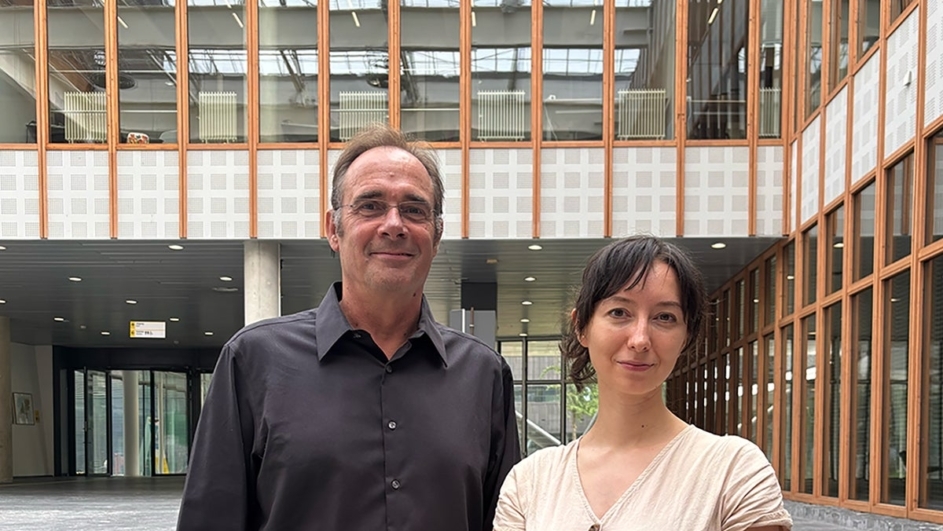
From a winning idea to their own company. In 2025, Julia Berezutskaya and Nick Ramsey won the UMC Utrecht Ureka Mega Challenge with their innovation, Alphabet. Through this challenge, UMC Utrecht supports healthcare professionals and researchers in further developing promising ideas and bringing them into practice. A year later, Julia shares how their innovation has developed and what steps are still to come.
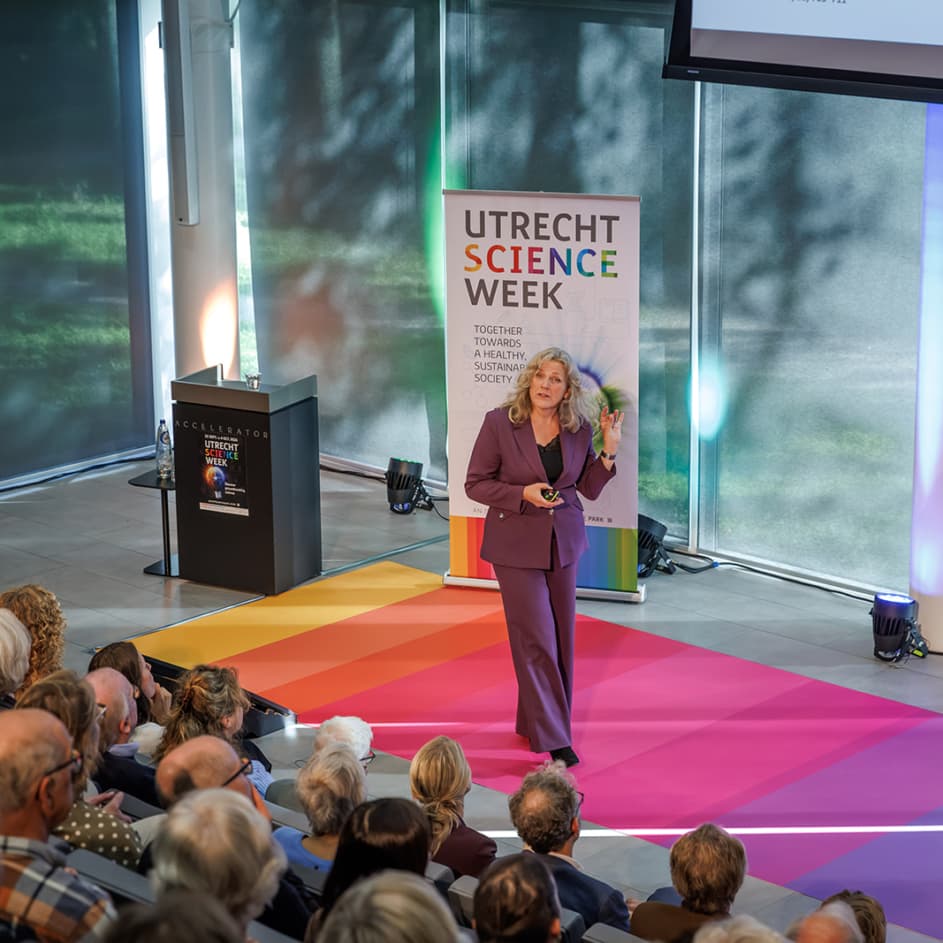
Looking back at Utrecht Science Week: research, education, and entrepreneurship in the spotlight
Utrecht Science Week 2026 has come to a close. For over a week, visitors enjoyed workshops, lectures, group discussions, and tours focused on science and innovation at Utrecht Science Park. With more than thirty program activities across over 25 locations, there were ample opportunities to experience science up close. We look back on a fantastic week that once again highlighted the essential role of collaboration, and the combination of research, education, and entrepreneurship, in addressing the societal challenges of our time.