First CAR-T therapy in systemic sclerosis at UMC Utrecht
For the first time in the Netherlands, a patient with systemic sclerosis has been treated with CAR-T cell therapy at the UMC Utrecht. The fact that CAR-T is now also being investigated for an inflammatory disease offers a whole new perspective on treatments for not only systemic sclerosis, but also other rheumatic diseases. The patient is taking part in an international clinical trial comparing CAR-T with rituximab, a drug often used in severe autoimmune diseases.
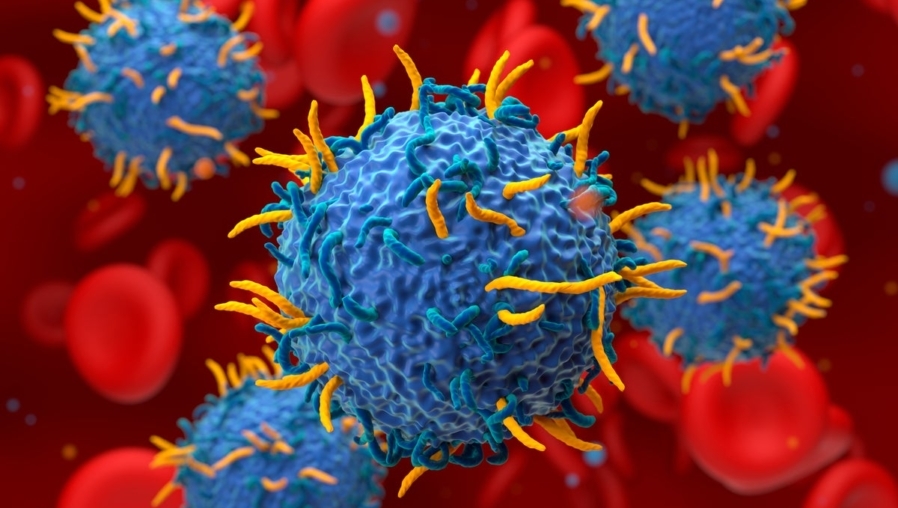
CAR-T cell therapy (Chimeric Antigen Receptor T-cell therapy) is a treatment that uses immune cells from the patient’s own body. Through leukapheresis, T cells are collected from the blood. In the laboratory, these cells are genetically modified so that they carry a special receptor (CAR). This allows them to specifically recognize abnormal immune cells (in this study the so-called B cells) and eliminate them. Internist-hematologist at UMC Utrecht Dr. Margot Jak explains: “We already apply this therapy successfully in certain forms of leukemia and lymphoma. Recent international studies show that this approach can also be promising in severe rheumatoid autoimmune diseases in which pathogenic B cells play a central role.”

Dr. Margot Jak and Dr. Julia Spierings
As with any intensive immunotherapy, side effects can occur. The best known is cytokine release syndrome, a temporary but sometimes severe inflammatory reaction in which the immune system is strongly activated. This can cause symptoms such as fever, low blood pressure and shortness of breath. In addition, temporary increased susceptibility to infections may occur. Therefore, treatment takes place in a specialized center under strict medical supervision.
Serious and rare disorder
Systemic sclerosis (also called scleroderma) is a rare, serious rheumatic disorder in which the immune system attacks the body’s own body. This leads to inflammation and hardening (fibrosis) of connective tissues, such as skin, blood vessels and organs. The disease can have a major impact on daily life and in severe cases can lead to lung, heart or kidney problems and premature death.
International research results in patients with systemic lupus erythematodus, another serious autoimmune disease, show that CAR-T cell therapy can lead to long-term suppression of the disease, sometimes even without maintenance medication. This offers hope that a similar approach may also be effective in systemic sclerosis.
“CAR-T cell therapy offers a promising perspective for people with systemic sclerosis, because this treatment can ‘reset’ the dysregulated immune system in a targeted way and may be more effective than regular immune suppressive treatments,” says researcher Dr. Julia Spierings, a rheumatologist at UMC Utrecht. “At the same time, carefully controlled research is essential to properly determine efficacy and safety in this patient group.”
Only participating center in the Netherlands
The treatment is part of a global phase 2 study being conducted in about 80 centers. UMC Utrecht is the only hospital in the Netherlands participating in the systemic sclerosis arm of this study. The study compares CAR-T cell therapy with rituximab, a drug often used in patients with severe systemic sclerosis. The first results of the study are expected in about three years.
Step toward new treatment options
This study is an important step toward potentially new treatment options for people with systemic sclerosis. The coming years should show how effective and safe the treatment is and what place this therapy can have in the future within the care of patients with severe rheumatic diseases.